
To build an effective welcome series automation, start by segmenting your new subscribers based on their interests, location, or source. Use personalization to make each message feel relevant by including their name or preferences. Automate a sequence of well-timed emails that introduce your brand, offer value, and encourage engagement. Track key metrics like open and click rates to refine your approach continually. Keep your strategy adaptable—exploring more will help you craft a welcome series that builds trust and loyalty.
Key Takeaways
- Segment new subscribers based on interests, behavior, or source to deliver targeted, relevant welcome messages.
- Personalize emails by including subscriber names and referencing their preferences to foster engagement.
- Automate a series of well-timed emails that educate, build trust, and guide subscribers toward desired actions.
- Track engagement metrics like open rates and click-throughs to refine and improve the automation over time.
- Keep the automation flexible, updating segmentation and content based on ongoing data insights for continuous relevance.
Creating a welcome series automation is one of the most effective ways to engage new subscribers right from the start. When someone signs up for your list, you want to make a strong first impression and guide them toward becoming loyal customers. To do this, you need to craft an onboarding experience that feels personal and relevant. That’s where email segmentation and personalization strategies come into play. By segmenting your audience based on their interests, behaviors, or preferences, you can tailor your messages to resonate more deeply. For example, if a subscriber shows interest in specific product categories, your automation can send targeted content that highlights those items, making your communication more meaningful.
Using email segmentation allows you to categorize your new subscribers quickly and efficiently. You might segment them based on how they signed up, their location, or the source of their interest. Then, your welcome series can be customized accordingly. This approach ensures that your messaging isn’t generic but instead speaks directly to each subscriber’s needs and expectations. Personalization strategies take this further by adding a human touch—using their name, referencing their interests, or offering exclusive content tailored to their preferences. When your emails feel personalized, subscribers are more likely to engage, open your messages, and click through to your website.
Segment your subscribers by interest and personalize your messages to boost engagement and loyalty.
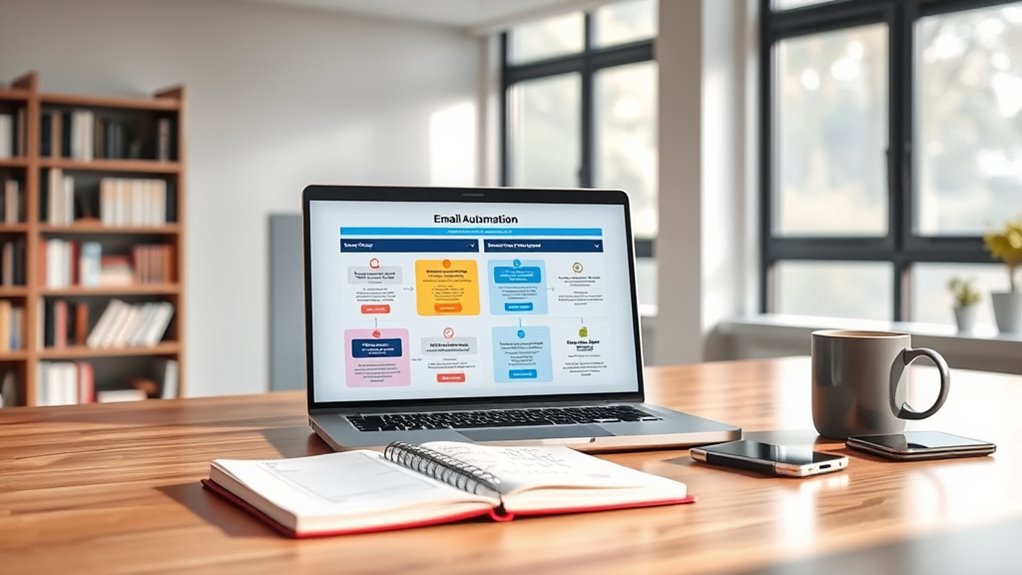
Implementing automation helps you deliver these personalized messages seamlessly. For instance, as soon as someone joins your list, they receive a series of well-timed emails designed to educate, build trust, and encourage action. The first email could thank them for subscribing and introduce your brand, while subsequent emails might share helpful content or exclusive offers aligned with their interests. Automation ensures that these messages go out at the right moment without you having to send each one manually. It also allows you to track engagement and refine your approach over time.
Remember to keep your automation flexible. As you gather more data about your subscribers, you can update your email segmentation and personalization strategies to improve results. Pay attention to open rates, click-throughs, and replies to see what’s resonating. The key is to create a dynamic welcome series that adapts to your audience’s evolving needs. Additionally, understanding retirement planning can help tailor content that emphasizes long-term benefits and security, making your engagement even more relevant. By combining smart email segmentation with thoughtful personalization strategies, you can foster stronger connections right from the start, turning new subscribers into loyal customers who feel valued and understood.
email marketing automation tools
As an affiliate, we earn on qualifying purchases.
As an affiliate, we earn on qualifying purchases.
Frequently Asked Questions
How Can I Personalize Welcome Emails for Different Subscriber Segments?
To personalize welcome emails for different subscriber segments, you should analyze their preferences and behaviors. Use email personalization techniques like customizing subject lines, content, and offers based on segment data. Incorporate subscriber preferences into your messaging to make each email relevant and engaging. This approach helps you build stronger connections and increases the chances of conversion, ensuring each subscriber feels valued from the very first interaction.
What’s the Optimal Timing Between Welcome Series Emails?
Timing transforms your welcome series into a treasure trove of trust. You should send your emails with a thoughtful rhythm—initial contact within 24 hours, a follow-up 2-3 days later, and a gentle reminder after a week. This timing boosts engagement rates by keeping your message fresh without overwhelming your subscribers. Remember, consistent yet considerate email timing cultivates connections and encourages continued engagement.
How Do I Measure the Success of My Welcome Series Automation?
You measure the success of your welcome series automation by tracking engagement metrics like open rates, click-through rates, and time spent on emails. Additionally, monitor conversion rates to see how many subscribers take desired actions, such as making a purchase or signing up for an event. Regularly analyze this data to identify patterns, optimize your emails, and guarantee your welcome series effectively nurtures new subscribers into loyal customers.
Can Welcome Series Automations Be Integrated With Other Marketing Tools?
You can definitely integrate your welcome series automations with other marketing tools. Some might worry about complex setups, but most platforms offer seamless integration options and marketing platform compatibility. By connecting your email marketing service with CRM, analytics, or social media tools, you enhance your automation’s effectiveness. This integration streamlines workflows, improves targeting, and provides a unified customer experience—making your welcome series more impactful and easier to manage.
What Are Common Pitfalls to Avoid When Creating Welcome Series?
To avoid common pitfalls, keep your welcome series engaging and concise to prevent email fatigue. Make sure your branding remains consistent across all messages to build trust and recognition. Don’t overload new subscribers with too many emails too quickly, which can lead to unsubscribes. Instead, personalize content and space out your messages thoughtfully. This approach helps you foster a positive relationship while maintaining your brand’s integrity.
Conclusion
Now that you’ve set up your welcome series, imagine the doors opening wide for your new subscribers, enthusiastic to discover what’s inside. Every email builds anticipation, guiding them toward that next exciting step. But what if the real magic happens after they’ve engaged? Keep refining your automations—you’re just getting started. The journey has only begun, and the best is yet to come. Are you ready to see where this path leads?