To craft an effective beta invitation email for new feature testing, personalize your message with the recipient’s name, explain the benefits of the new feature, and clearly outline how they can participate with simple steps. Use an engaging tone, emphasize the importance of their feedback, and include a prominent call to action. Express gratitude and highlight any incentives to motivate involvement. If you want to learn how to create a compelling invitation, keep exploring for expert tips and sample templates.

Get business pricing on office and shipping supplies
- Business-only prices and quantity discounts
- Tax-exempt purchasing
- Multiple users, one account, clear invoices
Key Takeaways
- Personalize the email greeting and clearly state the invitation to test a new feature or product.
- Explain the testing process, benefits, and how user feedback will influence improvements.
- Include a straightforward call-to-action with clear instructions to access the test environment or download.
- Express gratitude, highlight incentives, and offer support for questions to motivate participation.
- Use clear, engaging language and maintain a respectful tone to enhance user experience and testing completion.
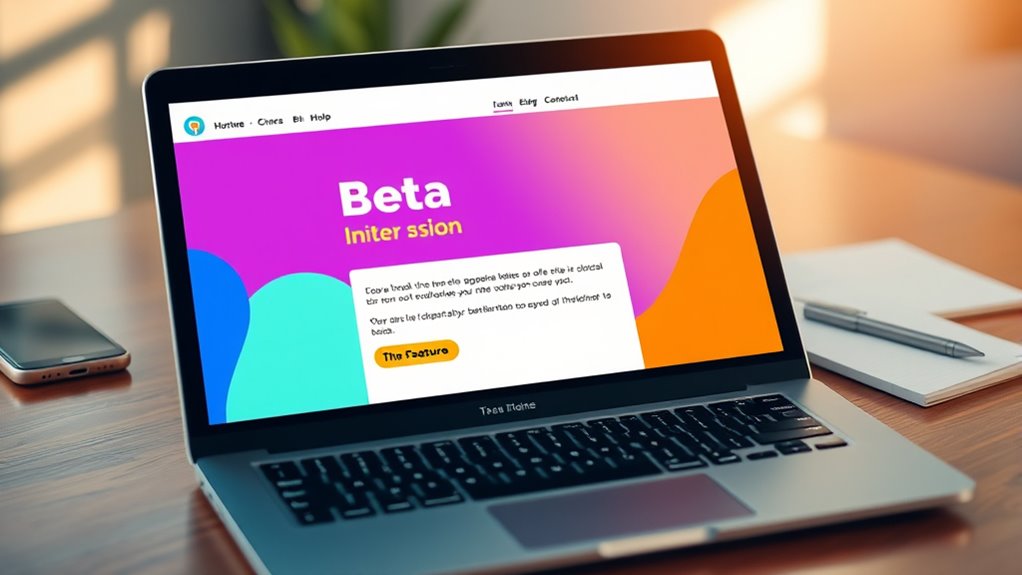
Are you looking for an effective way to invite users to test your new product? Crafting a compelling beta invitation email can make all the difference in encouraging participation and ensuring a smooth testing process. The key is to focus on the user experience from the moment they receive your email. When your message is clear, engaging, and respectful of their time, users are more likely to respond positively. It’s also essential to set expectations upfront, so testers understand what you’re asking for and how their feedback will shape your product’s future.
Start your email with a friendly, personalized greeting. Addressing users by name can considerably boost engagement, making the invitation feel genuine rather than generic. Clearly state why you’re reaching out—highlight that they’re part of a select group invited to test a new feature or product. Keep your tone enthusiastic but professional, conveying excitement about their potential contribution. Remember, the goal isn’t just to get testers but to make them feel valued and appreciated for their input.
Begin with a personalized greeting, making testers feel valued and appreciated for their input.
Next, explain briefly what the testing involves. Describe the new feature or update, emphasizing its benefits and what you’re hoping to learn from their feedback collection. Be transparent about the time commitment and the testing process to avoid any misunderstandings. Providing clear instructions on how to access the test environment, whether it’s a link or a download, helps streamline the process and reduces frustration. The simpler and more straightforward your instructions, the more likely users will participate and complete the testing.
Include a call to action that’s easy to follow. Whether it’s clicking a link, filling out a quick survey, or joining a brief walkthrough, make sure it’s prominent and simple. Reinforce the value of their participation—let them know their feedback is vital for improving user experience and shaping the final product. People want to feel their opinions matter, so emphasize how their insights will directly influence the development process.
Lastly, express gratitude for their time and willingness to help. Offering incentives, such as early access, discounts, or recognition, can motivate users to participate. Closing your email with an open line for questions or support reassures testers that they’re not alone and that their experience is important. By focusing on clear communication, emphasizing user experience, and making feedback collection straightforward, your beta invitation email will maximize engagement and lay a strong foundation for successful testing. Additionally, highlighting hydrocolloid material benefits in your description can underscore the effectiveness of acne patches in skincare communications.
As an affiliate, we earn on qualifying purchases.
Frequently Asked Questions
How Do I Customize the Invitation Email for Different User Segments?
To customize your invitation email for different user segments, you should use segmentation techniques like behavior, demographics, or engagement levels. Incorporate personalization strategies by tailoring content, tone, and offers to each segment. Use dynamic fields in your email platform to automatically insert relevant details. This approach guarantees each user receives a targeted message, increasing engagement and the chances they’ll participate in your new feature testing.
What Metrics Should I Track to Measure Beta Testing Success?
Imagine opening a treasure chest—your success lies in the right metrics. Track user engagement to see how participants interact with your feature, and monitor feature adoption rates to gauge how many are embracing the new tool. These metrics reveal the true impact of your beta test, helping you refine and perfect your offering. Keep an eye on these numbers to turn insights into actionable improvements that drive real user value.
How Can I Encourage Users to Provide Detailed Feedback?
To encourage users to provide detailed feedback, you should actively ask specific questions that promote user engagement and focus on feedback quality. Make it easy for them by offering clear prompts and multiple ways to share their thoughts. Show appreciation for their input and explain how their feedback impacts the development. When users see their contributions matter, they’re more likely to give thorough, valuable insights.
What Are Best Practices for Managing Beta Tester Access?
Think of beta tester access as a guarded gate to your innovation. You should implement strict access control, granting permissions based on roles or experience. During user onboarding, clearly explain the boundaries and responsibilities to prevent misuse. Regularly monitor activity and update access as needed, ensuring your testers stay focused and secure. This way, you foster a trusted environment where feedback flows freely without compromising your product’s integrity.
How Do I Handle Privacy and Data Security During Testing?
To handle privacy and data security during testing, you should guarantee data encryption both in transit and at rest to protect user information. Obtain clear user consent before collecting any data, explaining how it will be used and stored. Implement strict access controls, regularly review security protocols, and keep testers informed about privacy policies. This proactive approach helps safeguard user data and builds trust throughout your beta testing process.
Conclusion
Don’t worry if you encounter hiccups—your feedback helps us improve. We’re excited to have you test this new feature and appreciate your time. Your insights make a real difference, and we’re here to support you every step of the way. So go ahead, give it a try, and let us know what you think. Together, we’re shaping a better experience for everyone. Thanks for being part of this journey!
Fall Picks
fall essentials
As an affiliate, we earn on qualifying purchases.