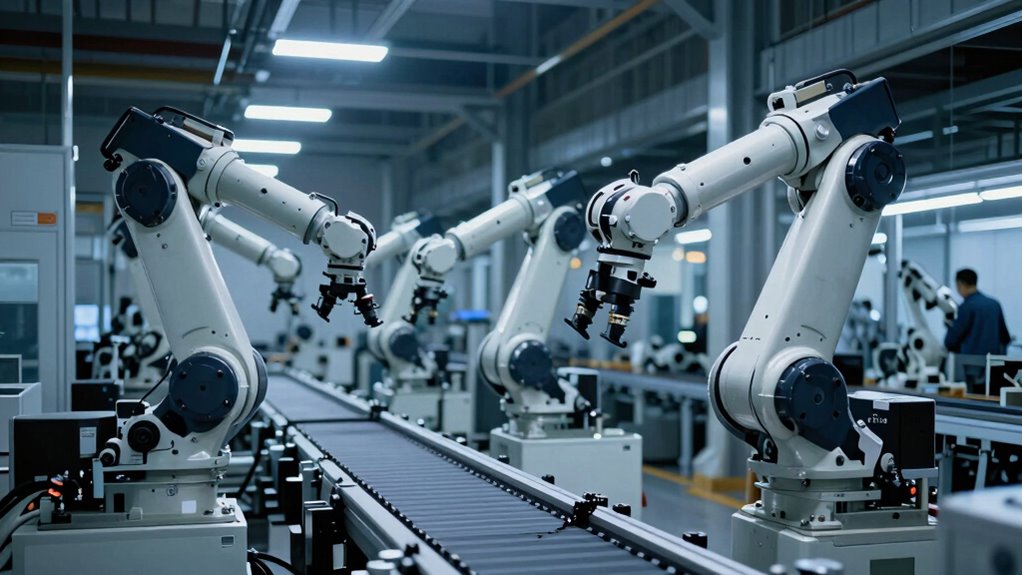

Overbuilt automations hide critical vulnerabilities you might overlook, creating a false sense of security. Small glitches or anomalies can go unnoticed, leading to larger failures that disrupt operations. The complexity of these systems makes troubleshooting difficult and can obscure dependencies, limiting your ability to identify root causes quickly. Over time, this hidden fragility can compromise system resilience. If you want to understand how to spot and fix these silent problems, there’s more to uncover ahead.
Key Takeaways
- Overbuilt automation creates a false sense of security, masking underlying vulnerabilities.
- Complex dependencies obscure root causes, making troubleshooting and failure diagnosis difficult.
- Hidden intricacies increase system fragility, risking large-scale disruptions from small issues.
- Excessive automation reduces transparency, hindering maintenance, scalability, and future adaptations.
- Overreliance on automation can suppress human oversight, allowing small errors to escalate unnoticed.
While automation promises increased efficiency and cost savings, overbuilding these systems can create hidden problems that often go unnoticed until they cause significant issues. One of the biggest risks is the false sense of security it creates, leading you to believe that the system is fully autonomous when, in reality, it still requires manual oversight. Without proper human supervision, small glitches or anomalies can go unnoticed, snowballing into larger failures that disrupt operations. Overbuilt automations tend to be designed with a focus on handling every conceivable scenario, which introduces a layer of complexity that’s difficult to manage. These hidden complexities can make troubleshooting a nightmare because you might not immediately see where the problem originated. Building overly complex systems can also lead to fragile automation, where small changes cause disproportionate failures, further complicating maintenance and updates. You might think that building a highly complex automation system reduces the need for human intervention, but that’s often a misconception. Instead, it increases the reliance on automated processes that can be brittle or overly sensitive to minor changes in input data. When problems do arise, manual oversight becomes essential to identify and correct issues quickly. If you rely solely on the automation without regular checks, small errors can compound unnoticed, leading to system crashes or erroneous outputs that affect your entire workflow. Additionally, overly complex systems can hinder system scalability, making it more challenging to adapt to future needs or expansions. Overbuilt systems often have intricate dependencies, making it harder for you to pinpoint the root cause of a failure, especially when you’re unfamiliar with every nuance of the automation’s design. This complexity can also lead to increased maintenance difficulty, requiring more time and resources to keep the system running smoothly. Furthermore, these hidden dependencies can also obscure system transparency**, making it more challenging for operators to understand how each part of the system interacts and functions. This lack of clarity hampers troubleshooting efforts and can lead you to make changes that inadvertently worsen the situation. Moreover, the more complex your automation, the more difficult it becomes to update or modify. Hidden complexities mean that even small adjustments require careful testing and validation**—something that’s often overlooked in the rush to deploy. Without sufficient manual oversight, these adjustments might introduce new problems or unexpected behaviors. Overbuilt automations can also obscure transparency, making it harder for you to understand how the system functions internally. This lack of clarity hampers troubleshooting efforts and can lead you to make changes that inadvertently worsen the situation.
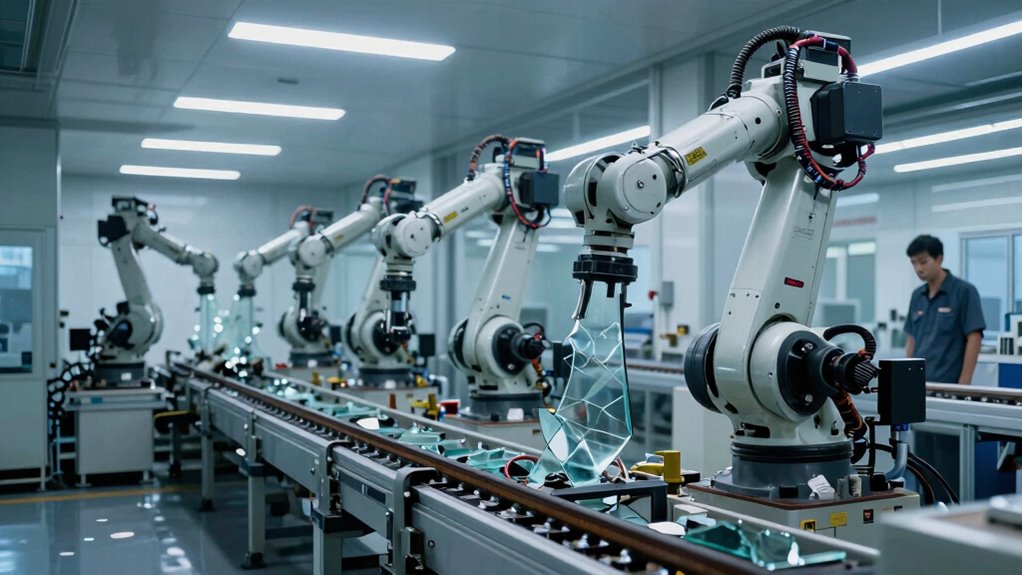
Overbuilt automation can hide complex issues, risking false security and unseen failures without proper human oversight.
Ultimately, overbuilding automation isn’t a one-size-fits-all solution. It’s essential to strike a balance where automation supports your processes, but manual oversight remains an integral part of the system. Recognizing the hidden complexities and ensuring you have proper checks and balances in place will help prevent small issues from turning into costly failures. Automation should enhance, not replace, your understanding and control—your best defense against the silent problems lurking inside overbuilt systems.
PLC in CNC & Manufacturing: Machine Tool Automation, Troubleshooting & Optimization
As an affiliate, we earn on qualifying purchases.
As an affiliate, we earn on qualifying purchases.
Frequently Asked Questions
How Can I Identify Overbuilt Automations in My Workflow?
You can identify overbuilt automations by examining their complexity and impact on workflow efficiency. If an automation has too many steps or requires frequent adjustments, it’s likely overbuilt. Look for tasks that take longer than necessary or cause bottlenecks. Simplify processes by removing unnecessary steps, and verify each automation genuinely adds value. Regularly review your automations to maintain ideal workflow efficiency and prevent unnecessary complexity from creeping in.
What Are the Long-Term Cost Implications of Overbuilt Automations?
Overbuilt automations can inflate your costs by up to 30%, mainly due to automation redundancy. Long-term, these excess systems require ongoing maintenance, updates, and troubleshooting, which add up over time. Conducting regular cost analysis helps identify unnecessary automation layers, saving money and streamlining workflows. By optimizing your automation processes, you reduce waste and improve efficiency, ensuring your automation investments deliver maximum value without draining your resources.
How Do Overbuilt Automations Affect Team Productivity?
Overbuilt automations can considerably hinder your team’s productivity by causing automation overload, where too many unnecessary or overly complex processes slow everyone down. This creates efficiency bottlenecks, as team members spend extra time managing or troubleshooting these systems rather than focusing on high-value tasks. As a result, your team becomes less agile, making it harder to adapt quickly and achieve peak performance, ultimately reducing overall productivity.
What Strategies Exist to Simplify Complex Automations?
To simplify complex automations, you should focus on identifying automation pitfalls early and applying effective simplification techniques. Break down large automations into smaller, manageable parts, and eliminate redundant steps. Use clear naming conventions and thorough documentation to keep everything transparent. Regularly review your automations for unnecessary complexity, and leverage visual tools to map workflows. These strategies help reduce errors, boost efficiency, and guarantee your automations remain easy to maintain and adjust.
Can Overbuilt Automations Be Easily Modified or Upgraded Later?
Your overbuilt automations are like a fortress—difficult to modify or upgrade later. They often limit automation scalability and customization flexibility, making future changes a nightmare. If you want to keep things adaptable, build automations with simplicity and scalability in mind from the start. Using modular components and clear documentation helps guarantee you can easily update or expand your automations without tearing everything down.
Conclusion
As you stand at the crossroads of automation, remember that overbuilding is like planting a forest of broken branches—you might have a lush exterior, but beneath, the roots struggle to breathe. Don’t let the silent problems grow into unseen monsters that choke your progress. Instead, prune wisely, nurture simplicity, and listen to the quiet whispers of your systems. Only then can your automation truly flourish, vibrant and strong, beneath the surface.