

To judge if your warmup is working, pay attention to how your muscles feel—are they loose, warm, and responsive? Notice if you feel more focused, confident, and energized, and if your movements are smoother and more controlled. Check for signs like less stiffness and quicker muscle responses. If you still feel sluggish or distracted, consider adjusting your warmup with targeted movements or breathing exercises. Keep going, and you’ll discover more ways to optimize your prep.
Key Takeaways
- Muscles feel loose, warm, and responsive during movement.
- You notice a reduction in stiffness and increased ease in performing exercises.
- Your mental focus and confidence are heightened, with clear visualization of goals.
- Movements become smoother, more controlled, and quick to respond.
- Physical and mental sensations indicate readiness, with decreased fatigue or discomfort.

Ever wonder if your warmup is truly preparing you for the workout ahead? It’s a question many fitness enthusiasts ask themselves, especially when they start their training feeling sluggish or unready. A good warmup isn’t just about ticking a box; it’s about actively enhancing your performance. To judge whether yours is effective, focus on two key aspects: muscle activation and mental preparedness. If you notice your muscles feeling loose, warm, and ready to move, you’re on the right track. Muscle activation involves increasing blood flow to key muscle groups, making them more responsive and less prone to injury. When your warmup hits the mark, you’ll feel a tingling or warming sensation in your muscles, and they’ll respond more quickly to your movements. You might also notice that movements become smoother and more controlled, indicating that your body is primed for action.
A good warmup boosts muscle responsiveness and prepares your mind for focused, effective training.
Equally important is mental preparedness. A warmup should help you shift from a resting state into a focused, alert mindset. If you find yourself thinking about other things or feeling distracted, your warmup isn’t doing its job. Instead, it should elevate your concentration, helping you visualize your workout goals and mentally gear up for the effort ahead. When you’re mentally prepared, you feel more confident, motivated, and ready to push yourself. You might notice a boost in your energy levels or a sense of anticipation for the workout. This mental shift is crucial because it enhances your overall performance and reduces hesitation during intense exercises. Incorporating proper warmup techniques can further optimize this process. Additionally, understanding the importance of muscle activation can help you tailor your warmup to better prepare your body. Recognizing the significance of physical readiness can also guide you in assessing your warmup’s success.
A useful way to judge your warmup’s effectiveness is to pay attention to how your body responds during the first few minutes of your workout. Are your muscles feeling more responsive? Do you feel more focused and less anxious? If the answer is yes, then your warmup is doing its job. Conversely, if you still feel stiff, mentally unfocused, or sluggish, it’s a sign that your warmup needs adjusting. Consider adding movements that target specific muscle groups you’ll use most during your workout or incorporating some breathing exercises to boost mental clarity. Engaging in dynamic stretching can also help improve your muscle response and overall readiness. Keep in mind that a warmup isn’t a one-size-fits-all; it should be tailored to your needs and the intensity of your workout.
In essence, evaluate both your physical readiness and mental state after your warmup. When you notice your muscles engaging more easily and your mind feeling sharper, you know you’re on the right track—and that your warmup is working as it should.
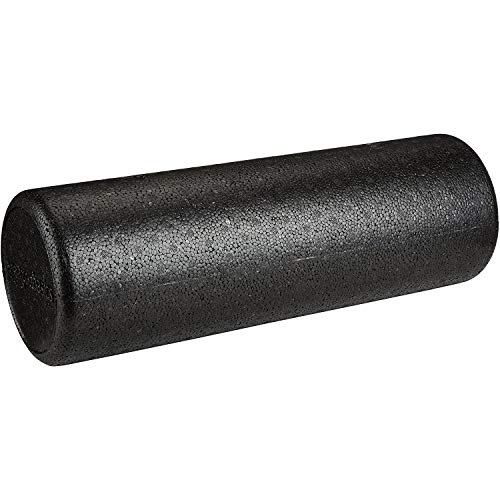
Amazon Basics High-Density Foam Roller for Exercise and Recovery, 18 Inches, Black
- Color: Black
- Usage: Exercise and recovery
- Length: 18 inches
As an affiliate, we earn on qualifying purchases.
As an affiliate, we earn on qualifying purchases.
Frequently Asked Questions
How Long Should a Warmup Typically Last?
A warmup should typically last 10 to 15 minutes, giving you enough time for dynamic stretching and mental preparation. You want to gradually increase your heart rate and loosen muscles, so don’t rush through it. Incorporate movements that mimic your activity, and take a few moments to focus mentally. This duration helps make certain your body is ready and reduces injury risk, boosting your performance.
Can a Warmup Prevent Injuries Effectively?
A warmup acts like a shield, preparing your body for the battle ahead. By boosting muscle activation and sharpening mental readiness, it can considerably reduce injury risks. When you warm up properly, you wake your muscles from their slumber, making them more adaptable and less prone to strain. Think of it as tuning your instrument—you’ll perform smoother, safer, and with more confidence, keeping injuries at bay.
What’s the Difference Between a Warmup and Stretching?
A warmup involves activities like dynamic stretching and mental preparation to increase your body temperature and focus your mind. Stretching, especially static stretching, is often part of a warmup but mainly aims to improve flexibility. The key difference is that a warmup prepares your muscles and mind for activity, while stretching helps maintain or improve range of motion. Combining both effectively enhances performance and reduces injury risk.
How Do I Know if My Warmup Is Too Intense?
You’ll know your warmup is too intense if you start feeling muscle fatigue or your mental readiness drops. Instead of feeling energized, you might feel exhausted or overwhelmed before your workout even begins. A proper warmup should boost circulation and prepare your muscles without draining your energy. Pay attention to how you feel afterward—if you’re overly tired or mentally foggy, ease up next time to keep your warmup effective.
Should Warmups Vary for Different Sports or Activities?
Think of warmups like a tailored suit—each sport demands its own fit. Yes, warmups should vary for different sports or activities. For example, a basketball warmup involves dynamic jumps, while a swimmer’s warmup emphasizes gentle stretches and water exercises. Sport-specific routines and activity-focused adjustments guarantee your body prepares effectively, reducing injury risk and boosting performance. Customizing warmups makes your preparation more successful and relevant to your specific activity.
Conclusion
Now that you know what signs to look for, you can confidently judge if your warmup is doing its job. Remember, a good warmup should feel like you’ve just stepped out of a spa, not a steam engine about to burst. If you notice increased mobility, reduced stiffness, and steady breathing, you’re on the right track. Think of it like a trusty pocket watch—if it’s ticking smoothly, everything’s in sync and ready to conquer your workout, just like a true Renaissance hero.