
📊 Full opportunity report: Ukraine’s AI-Enhanced Campaign Against Russia’s Amazon Marketplace on ThorstenMeyerAI.com — validation score, market gap, and execution plan.

Get business pricing on office and shipping supplies
- Business-only prices and quantity discounts
- Tax-exempt purchasing
- Multiple users, one account, clear invoices
TL;DR
Ukraine is using advanced AI and cyber operations to target Russia’s Wildberries logistics network, damaging warehouses and disrupting supply chains. This strategic attack aims to weaken Russia’s decentralized procurement and civilian economy amidst the ongoing war.
Ukraine has launched a systematic, AI-enhanced campaign targeting Wildberries, Russia’s largest online marketplace, by striking its logistics facilities across Russia since July 18, 2023. This campaign aims to disrupt the supply chain that connects civilian commerce with military logistics, impacting Russia’s war effort and civilian economy.
Since July 18, Ukrainian drones have attacked at least 20 Wildberries logistics sites across Russia, damaging or destroying over 1.18 million square meters of warehouse space, according to satellite imagery reviewed by Reuters. These strikes have been near-nightly, with the goal of impairing the platform’s decentralized supply network.
Wildberries functions as a critical node in Russia’s war logistics, enabling individual soldiers, volunteer groups, and merchants to acquire military equipment, tactical gear, and components—often without formal contracts. The platform’s catalog includes items such as body armor, drones, and electronic components, which are essential for military and civilian use.
Ukraine’s targeted strikes focus on key logistics hubs, aiming not only to destroy stock but to create supply delays and increase procurement costs. Specifically, Ukraine has claimed that some warehouses supplied components for drone production and navigation, although this has not been independently verified for all sites.
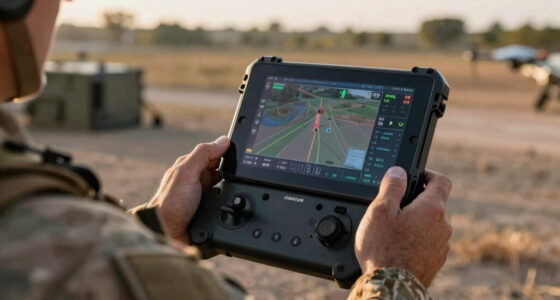
This campaign leverages AI and cyber tools to identify, locate, and target these logistics hubs efficiently, aiming to disrupt the decentralized procurement network that sustains Russia’s military and civilian sectors during the war.
Since 18 July, Ukrainian drones have hit ~20 Wildberries logistics sites. It looks like an odd target — until you see that one strike can hit three systems at once: the battlefield supply chain, the civilian economy, and the banks.
Wildberries is a consumer marketplace, a national logistics network, a decentralised military-supply channel, and an increasingly important node in Russia’s banking system. Hit a warehouse and the cost propagates outward.
Implications of Ukraine’s Disruption of Russian Supply Networks
This campaign marks a significant shift in Ukraine’s approach, employing AI and cyber tactics to target the logistical backbone of Russia’s war effort. Disrupting Wildberries’ logistics hampers the availability of military and civilian goods, increases procurement costs, and creates economic ripple effects across Russia’s economy. The attack also challenges the perception of Russia’s war as a distant conflict, highlighting the interconnectedness of civilian commerce and military logistics.
Moreover, this strategy underscores the importance of decentralized supply chains in modern warfare, where individual actors can access military-grade equipment through commercial platforms. The campaign’s success could influence future conflicts by demonstrating how commercial infrastructure can become a strategic target.
As an affiliate, we earn on qualifying purchases.
Background of Ukraine’s Campaign Against Russian Logistics
Since the start of the full-scale invasion in February 2022, Ukraine has intensified its military and cyber operations against Russia. While most attention has focused on conventional military engagements, recent developments reveal a focus on disrupting Russia’s logistical and supply networks. Wildberries, as Russia’s dominant e-commerce platform, has become a strategic target due to its role in facilitating decentralized procurement of military and civilian goods.
Prior to these attacks, Ukraine had conducted cyber operations targeting Russian military infrastructure, but the recent physical strikes represent a new phase that combines cyber intelligence with kinetic action. The campaign’s emphasis on AI-driven targeting allows Ukraine to efficiently identify key logistical nodes.
Russia denies that Wildberries supplies military equipment, asserting that the platform is purely commercial. However, independent reports and Ukrainian officials suggest that the platform’s extensive catalog includes items relevant to military logistics, blurring the line between civilian commerce and military procurement.
"We are targeting logistical hubs that enable Russia’s decentralized procurement of military equipment, aiming to create supply delays and increase costs."
— Ukrainian Defense Ministry spokesperson
Unverified Aspects of Ukraine’s Targeting Strategy
While Ukraine claims to target facilities supplying drone components and navigation systems, it has not publicly verified the specific contents of all targeted warehouses. The extent to which these strikes directly impair military production remains uncertain. Additionally, the full scope of AI and cyber tools used in identifying targets is not publicly confirmed.
Russia denies that Wildberries supplies military gear, and it is unclear how much of the damage directly affects military procurement versus civilian commerce. The long-term effectiveness of these strikes in disrupting Russian logistics is still being assessed.
Future Developments in Ukraine’s Logistics Disruption Campaign
Ukrainian officials are expected to continue targeting key logistics hubs, possibly expanding the campaign based on intelligence gathered through AI and cyber operations. Monitoring will focus on whether these strikes lead to significant delays or increased costs for Russian military procurement and civilian supply chains. Further independent verification of the impact on military production is anticipated.
Russia may respond with increased security measures or counter-cyber operations, but the strategic effect of Ukraine’s campaign could influence broader conflict dynamics, especially in undermining Russia’s decentralized procurement network.
Key Questions
Why is Ukraine targeting Wildberries logistics hubs?
Ukraine aims to disrupt Russia’s decentralized procurement of military equipment and supplies by attacking key logistics centers, creating delays and increasing costs for Russian military and civilian supply chains.
Are these strikes damaging military equipment directly?
It is not yet fully confirmed whether all targeted warehouses supply military gear, but Ukraine claims some do, and the strikes are intended to impair the supply network that supports military production and logistics.
How does AI enhance Ukraine’s campaign?
AI is used to identify and locate critical logistics hubs efficiently, enabling precise targeting of infrastructure that supports Russia’s supply chain, thus increasing the campaign’s effectiveness.
What is Russia’s response to these attacks?
Russia denies that Wildberries supplies military equipment and has not publicly announced specific countermeasures, but it likely will increase security and cyber defenses in response.
Could this campaign influence future conflicts?
Yes, disrupting commercial infrastructure that supports military logistics demonstrates a new approach in modern warfare, potentially shaping future strategies for both state and non-state actors.
Source: ThorstenMeyerAI.com
Fall Picks
fall essentials
As an affiliate, we earn on qualifying purchases.