
Email deliverability matters because it determines whether your messages land in your recipients’ inboxes or get lost in spam folders. When your emails reach the inbox, you’re more likely to engage your audience, boost your marketing results, and build trust. Factors like spam filters, sender reputation, and email content influence deliverability. Understanding these basics helps you improve your success rate; keep exploring to learn how to guarantee your emails consistently hit the inbox.
Key Takeaways
- Ensures your emails reach recipients’ inboxes, increasing the chances of engagement.
- Prevents messages from being marked as spam, protecting your sender reputation.
- Improves campaign effectiveness and return on investment through reliable delivery.
- Maintains trust with your audience by delivering relevant and timely messages.
- Adheres to email best practices and authentication standards to avoid filtering issues.
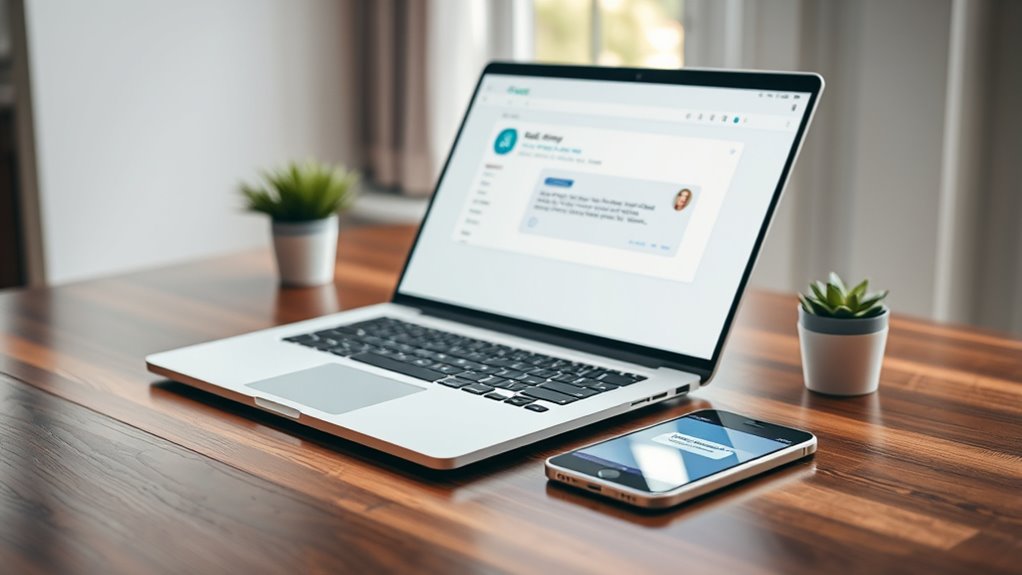
Have you ever wondered why some of your emails never reach your recipients’ inboxes? It can be frustrating to put effort into crafting your message only for it to vanish into spam folders or get lost in cyberspace. The reality is, email deliverability hinges on a few critical factors, with spam filters and sender reputation being among the most important. Understanding how these elements work together can help you improve your chances of reaching your audience effectively.
Spam filters are designed to protect users from unwanted or malicious emails, but they can sometimes be overly aggressive. These filters analyze various aspects of your email—such as the subject line, content, and formatting—to determine whether it’s spam. If your email triggers certain keywords or exhibits suspicious characteristics, it may be flagged and diverted to the junk folder. This is why it’s essential to craft your messages carefully, avoiding spammy language, excessive punctuation, or misleading subject lines. Keeping your emails relevant and well-formatted reduces the risk of triggering filters, increasing the likelihood that your message lands in the inbox.
Sender reputation plays an equally crucial role in email deliverability. Think of sender reputation as your email’s trustworthiness in the eyes of email providers like Gmail or Outlook. It’s built over time based on factors such as your email sending volume, bounce rates, spam complaint rates, and engagement levels. If you frequently send bulk emails that bounce back or are marked as spam, your reputation diminishes, and email providers may start blocking or filtering your messages. Conversely, if you maintain a good reputation by sending targeted, permission-based emails that recipients engage with positively, your messages are more likely to bypass spam filters and reach the inbox consistently.
To safeguard your sender reputation, you should always use verified sending domains, authenticate your emails with SPF, DKIM, and DMARC protocols, and regularly clean your email list to remove inactive or invalid addresses. Avoid sudden spikes in your sending volume, which can look suspicious to spam filters and harm your reputation. Additionally, monitor your email metrics to identify and resolve issues early, ensuring your reputation remains strong. Also, maintaining a positive sender reputation can significantly improve your email deliverability over time.
Ultimately, mastering the balance between avoiding spam filters and building a solid sender reputation is key to successful email deliverability. When your emails land directly in the inbox, you have a better chance to connect with your audience, promote your message, and achieve your goals. Paying attention to these foundational aspects empowers you to optimize your email campaigns and ensure your communication isn’t lost in the digital shuffle.
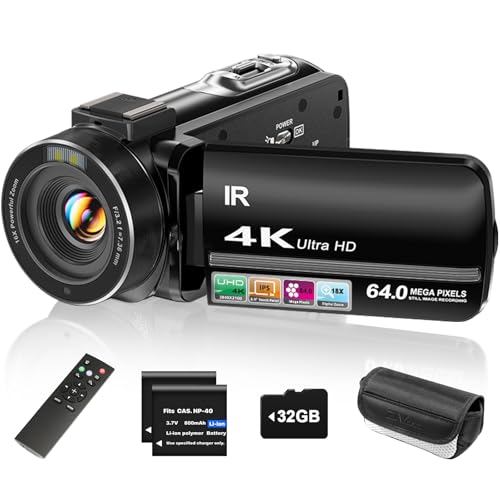
ZYDIIE 4K Video Camera Camcorder UHD 64MP Vlogging Camera for YouTube 18x Digital Zoom 3" 270° Rotation IPS Touchscreen Video Camcorder with Night Vision, Remote Control, 32GB Card, 2 Batteries
4K & 64MP Video Camera Camcorder: Capture life in breathtaking detail with 4K Ultra HD recording and vibrant...
As an affiliate, we earn on qualifying purchases.
Frequently Asked Questions
How Can I Improve My Sender Reputation Quickly?
To improve your sender reputation quickly, focus on boosting sender engagement by sending relevant and personalized content that encourages opens and clicks. Optimize your email content to be clear, valuable, and free of spammy elements. Avoid spam traps and high bounce rates by cleaning your list regularly. These strategies signal to inbox providers that your emails are trustworthy, helping your reputation recover faster and ensuring your messages reach your audience.
What Are the Most Common Reasons Emails Are Marked as Spam?
Emails often get marked as spam because your email content sounds like a junk mail tornado—laden with spammy language or too many exclamation points. Low recipient engagement acts like a red flag, signaling disinterest to spam filters. To keep your messages sailing smoothly into inboxes, craft relevant content and encourage interaction. When your emails resonate with recipients, they’re less likely to be mistaken for junk, ensuring your message reaches its destination.
How Does Email Authentication Influence Deliverability?
Email authentication substantially improves your deliverability by proving your emails are legitimate. When you set up SPF records, you’re telling servers which mail servers are authorized to send on your behalf, reducing spam suspicion. DKIM signatures add a digital signature to your emails, verifying their authenticity and integrity. Together, these strategies help inbox providers trust your messages, ensuring they land in your recipients’ inboxes instead of spam folders.
Are There Specific Industries With Higher Deliverability Challenges?
Certain industries face higher deliverability challenges due to industry-specific spam filters and sector-based engagement rates. For example, finance and healthcare sectors often encounter stricter filters, making it harder to reach inboxes. E-commerce and marketing industries may struggle with lower engagement rates, affecting sender reputation. To improve deliverability, you need to tailor your email strategies, monitor sector-specific filters, and boost engagement to avoid being flagged as spam.
How Often Should I Clean My Email List?
You should clean your email list regularly, ideally every three to six months. Ignoring this risks increasing your unsubscribe rate and harming your sender reputation. By implementing list segmentation, you target engaged subscribers and weed out inactive ones, boosting deliverability. But beware—neglecting these steps could quietly sabotage your campaigns, leaving you wondering why your emails stop reaching inboxes. Stay vigilant, stay clean, and watch your engagement soar.
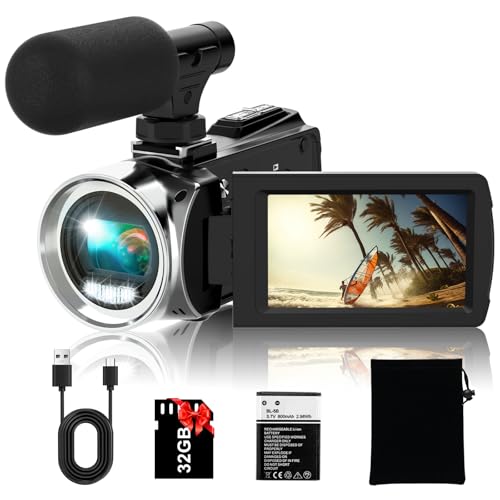
Rawiemy Video Camera Camcorder FHD 4K 36MP Vlogging Camera for YouTube Video Recorder 3.0" 270 Degree Rotation Screen Video Cameras for Filming with Microphone,32GB SD Card (Black)
🎥【HD 4K& 36MP Video Camera】Rawiemy video camera camcorders supports shooting 4K(10fps )/2.7K(20fps) video and 36MP images, It equipped...
As an affiliate, we earn on qualifying purchases.
Conclusion
Just as a messenger’s message must reach the king’s court to be heard, your emails need good deliverability to truly connect. When your emails land in inboxes instead of spam, you’re not just sending messages—you’re building trust and opening doors to opportunity. Remember, in the domain of digital communication, deliverability is the key to ensuring your voice is heard and your efforts bear fruit. Keep it steady, and your message will always find its way home.

JVC GY-HM250 UHD 4K Streaming Camcorder W/ 2 X 64GB Memory Card, Tripod, Rode Mic, External Monitor, Sony Pro Headphones, Case, LED Light, and More Premium Bundle
Bundle Includes: 1 x JVC GY-HM250 UHD 4K Streaming Camcorder | 1 x Rode NTG-1 Condenser Shotgun Microphone...
As an affiliate, we earn on qualifying purchases.
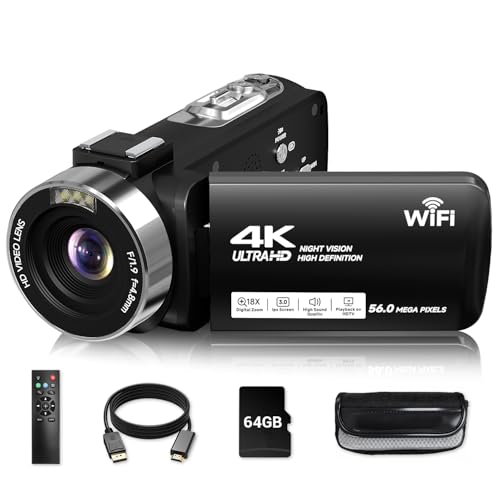
Video Camera, 4K Camcorder 56MP Digital Video Recorder 18X Zoom 3" 270° Rotation Touchscreen IR Night Vision, Wifi Vlogging Camera for YouTube 64GB Card Anti-Shake Remote Control Camera Bag Lens Cap
【56MP 4K Ultra HD & 18X Digital Zoom】This 4k camcorder captures smooth, high-resolution 4K Ultra HD videos that...
As an affiliate, we earn on qualifying purchases.