

To excel as an email marketer, you need strong soft skills like clear communication, active listening, and empathy to connect authentically with your audience. Analytical thinking helps you interpret metrics and refine strategies, while adaptability ensures you stay responsive to changing trends. Collaboration and resilience are also essential for working effectively with teams and handling setbacks. Developing these skills will help you build trust and create meaningful campaigns—if you’re interested in mastering these qualities, there’s more to explore ahead.
Key Takeaways
- Strong communication skills to craft authentic, relatable messages that foster trust and deepen audience connection.
- Analytical thinking to interpret email metrics, identify patterns, and optimize campaign strategies effectively.
- Active listening and empathy to understand subscriber needs, preferences, and respond with personalized content.
- Collaboration abilities to work seamlessly with team members, gather diverse insights, and create cohesive campaigns.
- Adaptability and resilience to embrace new tools, learn from feedback, and navigate industry changes proactively.

In the fast-paced world of email marketing, technical skills alone won’t guarantee success. To truly stand out, you need to master soft skills that foster genuine connections with your audience. Audience engagement isn’t just about sending emails; it’s about understanding what resonates with your subscribers and creating content that captures their attention. That means honing your empathy and listening skills so you can anticipate their needs and preferences. When you pay close attention to how your audience interacts with your emails—through open rates, click-throughs, or replies—you gather valuable insights that inform your personalization strategies. Personalization isn’t just inserting a recipient’s name in the subject line; it’s about crafting tailored experiences that make your subscribers feel seen and valued. This requires strong communication skills—being clear, concise, and relatable in your messaging—and the ability to interpret data to refine your approach continuously. Recognizing recurring themes or symbols in your audience’s responses can help deepen your understanding and improve your content strategy, especially when considering the symbolism often found in dreams.
Effective email marketing also hinges on your ability to communicate authentically. When your tone aligns with your brand and feels genuine, your audience is more likely to trust and engage with your content. Good communicators know how to balance professionalism with warmth, making every message feel personal rather than robotic. This skill helps build loyalty and encourages recipients to take action. Alongside communication, your analytical mindset plays a pivotal role. Being comfortable with data allows you to interpret metrics, identify patterns, and adjust your strategies accordingly. But soft skills like curiosity and critical thinking matter just as much—they help you ask the right questions: Why did a campaign perform well? What can I do to improve engagement? How can I better personalize future emails?
Team collaboration is another soft skill that enhances your email marketing efforts. Working well with designers, copywriters, and data analysts ensures your campaigns are cohesive and effective. Listening actively during meetings and sharing insights constructively foster a creative environment where ideas flourish. Additionally, adaptability is essential. The email landscape evolves quickly, and being open to learning new tools, testing innovative ideas, and accepting feedback keeps your skills sharp. Resilience helps you handle setbacks—such as low open rates or unsubscribes—with a mindset focused on learning rather than failure.
Ultimately, soft skills like communication, empathy, curiosity, and adaptability empower you to build stronger relationships with your audience. When you integrate these skills into your workflow, you create more personalized, engaging campaigns that not only deliver results but also cultivate trust and loyalty over time. These qualities elevate your technical expertise, turning data and tools into meaningful connections that drive your email marketing success.

SKYROVER X1 Fly More Combo, Drone with Camera 4K for Adults, 8K Photo, Under 249g, 50000ft Transmission, 96-Min Flight Time with 3 Batteries
8K Photo Excellence - SKYROVER X1 drone captures vibrant, noise-free details with its 8K photos and 4K/60fps HDR...
As an affiliate, we earn on qualifying purchases.
Frequently Asked Questions
How Can I Improve My Email Marketing Storytelling Skills?
To improve your email marketing storytelling skills, focus on blending personal storytelling with visual storytelling. Share authentic experiences that connect emotionally, making your message memorable. Use compelling images, infographics, or videos to enhance your narrative and engage readers visually. Practice crafting concise, relatable stories that resonate with your audience, and analyze what works through metrics. Consistently refine your approach, and you’ll create more engaging, impactful email campaigns.
What Are Effective Ways to Handle Difficult Email Responses?
Think of difficult email responses as stormy seas; your goal is to steer calmly. You do this by practicing active listening and applying emotional intelligence, understanding their concerns without jumping to conclusions. Respond with empathy, acknowledge their feelings, and steer the conversation toward solutions. Keep your tone steady and respectful, like a lighthouse guiding ships safely through rough waters, turning challenges into opportunities for trust and connection.
How Do I Stay Updated on the Latest Email Marketing Trends?
To stay updated on the latest email marketing trends, you should attend industry conferences and follow influencer blogs regularly. These sources offer valuable insights, new strategies, and emerging tools that keep you ahead of the curve. Engaging actively at conferences and subscribing to influential blogs helps you learn from experts and network with peers, ensuring you stay informed and adaptable in this constantly evolving field.
What Tools Can Enhance My Email Analytics Skills?
You can enhance your email analytics skills with tools like Mailchimp, HubSpot, or Campaign Monitor. These platforms offer robust features for email segmentation, allowing you to target specific audiences effectively. Additionally, they support A/B testing, helping you optimize subject lines, content, and send times. By leveraging these tools, you gain deeper insights into campaign performance, enabling you to make data-driven decisions that boost engagement and conversions.
How Can I Build Stronger Relationships Through Email Communication?
You can build stronger relationships through email by using personalization strategies that make your messages feel tailored and genuine. Show empathy by understanding your audience’s needs and concerns, and address them sincerely. Use warm, conversational language and respond promptly to feedback. These efforts demonstrate that you value your recipients, fostering trust and loyalty. Keep your communication authentic and relatable, and you’ll strengthen your connections with every email you send.

Ruko F11PRO 2 Drone with 6K Camera for Adults, 3-Axis Gimbal Stabilizer, 2 Batteries for 70-Min Flight Time, Long-Range Transmission, Auto Return & Beginner-Friendly, Ideal Tech Gift
【A Fun Tech Gift for Him】 The perfect high-value tech gift for holidays. Whether for parent-child activities or...
As an affiliate, we earn on qualifying purchases.
Conclusion
Mastering soft skills like communication and analytics can transform your email marketing results. For example, imagine you analyze your open rates, spot a decline, and swiftly adjust your messaging—boosting engagement. By honing these skills, you’ll not only craft compelling campaigns but also build stronger connections with your audience. Remember, your ability to listen, adapt, and analyze is just as important as the content itself. So, keep sharpening those soft skills to stay ahead.

FeiyuTech SCORP-C2 Professional Camera Gimbal Stabilizer, Built-in AI Face/Object Tracking, 3.5kg/7.72lbs Load, Native Vertical Video for YouTube TikTok, for Sony A7, Canon EOS R, Nikon Z Mirrorless
Built-In AI Tracking 4.0 on the SCORP-C2 Camera Gimbal : The FeiyuTech SCORP-C2 Gimbal Stabilizer features upgraded, app-free...
As an affiliate, we earn on qualifying purchases.
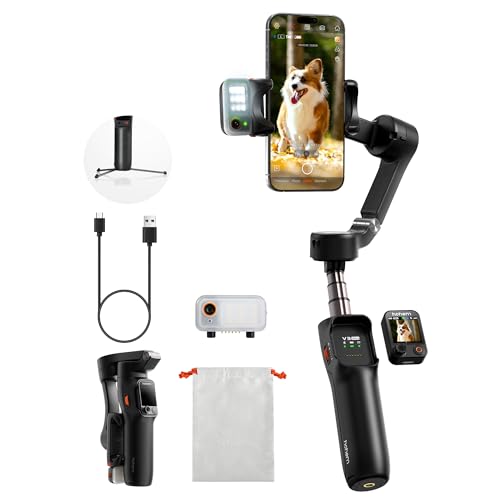
hohem iSteady V3 Ultra Gimbal Stabilizer for iPhone, Phone Gimbal with AI Auto Tracking, Detachable Touchscreen Remote, Built-in Extension Rod, Tripod, Fill Light, for Vlog, Travel, Pet, Fitness
AI Tracking Gimbal – Smart Motion Detection for Any Scene: Stay perfectly in frame with the hohem iSteady...
As an affiliate, we earn on qualifying purchases.