To align bulk email content with subscriber expectations, focus on personalization and segmentation to deliver relevant, targeted messages. Use behavioral data to tailor content based on individual interests and interactions, ensuring your emails meet their needs. Continually refine your tactics by tracking analytics and adjusting segments accordingly. By adopting these strategies, you’ll create a more engaging experience that resonates with your audience. Stay tuned to discover how these approaches make your email campaigns more effective.
Key Takeaways
- Segment your email list based on demographics, interests, and purchase history to deliver targeted content.
- Use behavior-based personalization to tailor messages according to subscriber interactions and preferences.
- Continuously analyze engagement metrics and feedback to refine and optimize your email content strategy.
- Incorporate dynamic content that adapts to individual subscriber behaviors for more relevant messaging.
- Ensure consistency between your messaging and subscriber expectations by aligning content with their interests and needs.
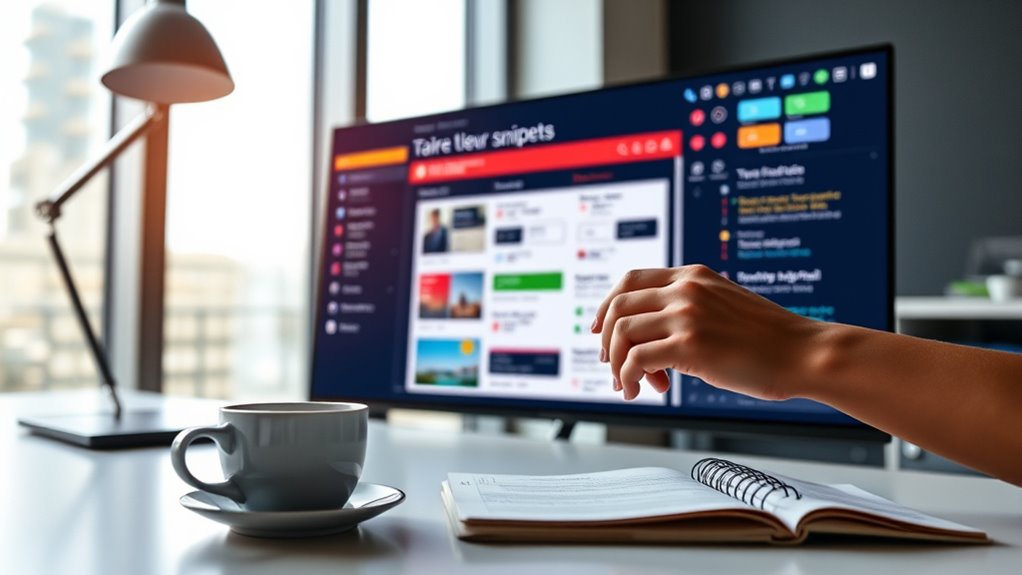
To guarantee your bulk email campaigns resonate with recipients, aligning your email content is vital. When you focus on personalization strategies, you’re fundamentally tailoring your messages to meet your subscribers’ specific interests and needs. This approach increases engagement and reduces the chances of your emails ending up in spam folders. Personalization isn’t just about inserting someone’s name; it’s about creating a relevant experience that speaks directly to their preferences. To do this effectively, content segmentation becomes your best tool. By dividing your email list into targeted groups based on demographics, past interactions, or purchase history, you can craft messages that are more meaningful and compelling.
Aligning email content through segmentation boosts relevance, engagement, and reduces spam risk.
Think of content segmentation as a way to deliver the right message to the right audience at the right time. When you segment your list, you avoid sending generic emails that might feel impersonal or irrelevant. Instead, your content becomes more aligned with each group’s specific interests, increasing open rates and conversions. For instance, if someone has previously purchased outdoor gear, sending them promotions related to camping or hiking gear makes much more sense than a general sale announcement. This kind of targeted messaging not only improves your campaign performance but also builds trust and loyalty with your subscribers.
Personalization strategies extend beyond just segmenting your list. They involve dynamic content that adapts based on subscriber behavior. For example, if a subscriber has clicked on a particular product category in the past, you can automatically include related products or content in your next email. This level of customization shows that you understand and value your audience’s preferences, making your emails feel less like spam and more like a thoughtful communication. When your content aligns with what your subscribers care about, they’re more likely to engage, share, and ultimately convert.
Additionally, regularly updating your segmentation criteria based on new data ensures your content stays relevant. As your subscribers’ interests evolve, so should your approach. Use analytics to track open rates, click-through rates, and conversions to refine your segments and personalization tactics. Leveraging AI-driven insights can further enhance your ability to deliver targeted content, optimizing engagement and campaign results. By continuously aligning your email content with subscriber expectations through effective personalization strategies and content segmentation, you create campaigns that not only capture attention but also foster long-term relationships. This targeted approach ultimately drives better results and a stronger connection between your brand and your audience.

AI for Small Business Success: Email Marketing: Automate Campaigns, Personalize Messages, and Turn Emails into Sales with Smart AI Tools
As an affiliate, we earn on qualifying purchases.
As an affiliate, we earn on qualifying purchases.
Frequently Asked Questions
How Often Should I Send Bulk Emails to Maintain Engagement?
You should send bulk emails about once a week to maintain engagement, but it depends on your audience. Focus on frequency planning to avoid overwhelming subscribers, and include content variety to keep their interest. Test different schedules and monitor open rates to find the right balance. Consistency is key, so stick to a routine that provides value without spamming, ensuring your subscribers stay engaged and enthusiastic for your emails.
What Metrics Best Indicate Email Content Alignment With Subscriber Expectations?
Think of your email metrics like a compass guiding your content. Click-through rates show how well your content relevance matches subscriber interests, while open rates reveal if your subject lines resonate. These metrics indicate whether your emails meet expectations or need adjustment. You should also monitor engagement over time to see if your content stays aligned, helping you fine-tune your strategy for better connection and ongoing subscriber trust.
How Can I Personalize Bulk Email Content Effectively?
You can personalize bulk email content effectively by implementing personalization strategies like segmenting your audience based on preferences and behaviors. Use dynamic content to tailor messages in real-time, ensuring each subscriber sees relevant offers and information. This approach boosts engagement and satisfaction. Regularly analyze your data to refine your personalization tactics, making your emails more appealing and aligned with individual subscriber needs, ultimately improving your campaign performance.
What Legal Considerations Affect Email Content Alignment?
You must prioritize legal compliance by ensuring your email content adheres to regulations like CAN-SPAM and GDPR. Avoid content restrictions such as misleading claims, offensive language, or unapproved promotional offers. Always include an unsubscribe link and your contact info to stay compliant. By respecting these legal considerations, you protect your reputation and maintain trust, making sure your bulk emails align with subscriber expectations without risking legal issues.
How Do I Handle Subscriber Feedback to Improve Email Relevance?
You should actively listen to subscriber feedback by encouraging surveys and creating feedback loops. Regularly send subscriber surveys to gather insights about their preferences and interests. Use this feedback to tailor your email content, making it more relevant. Respond to feedback publicly when appropriate, showing you value their input. This ongoing process helps you refine your email strategy, ensuring your content aligns with subscriber expectations and boosts engagement.

Programming Internet Email: Mastering Internet Messaging Systems
As an affiliate, we earn on qualifying purchases.
As an affiliate, we earn on qualifying purchases.
Conclusion
By aligning your bulk email content with your subscribers’ expectations, you create trust, foster engagement, and build loyalty. When you deliver relevant, personalized, and valuable messages, you respect their time, meet their needs, and enhance their experience. Consistently listening, adapting, and refining your approach guarantees your emails remain compelling, meaningful, and effective. Ultimately, by staying aligned, you not only strengthen your relationship but also boost your success—because satisfied subscribers are your best advocates.
dynamic email content generator
As an affiliate, we earn on qualifying purchases.
As an affiliate, we earn on qualifying purchases.
behavior-based email marketing platform
As an affiliate, we earn on qualifying purchases.
As an affiliate, we earn on qualifying purchases.