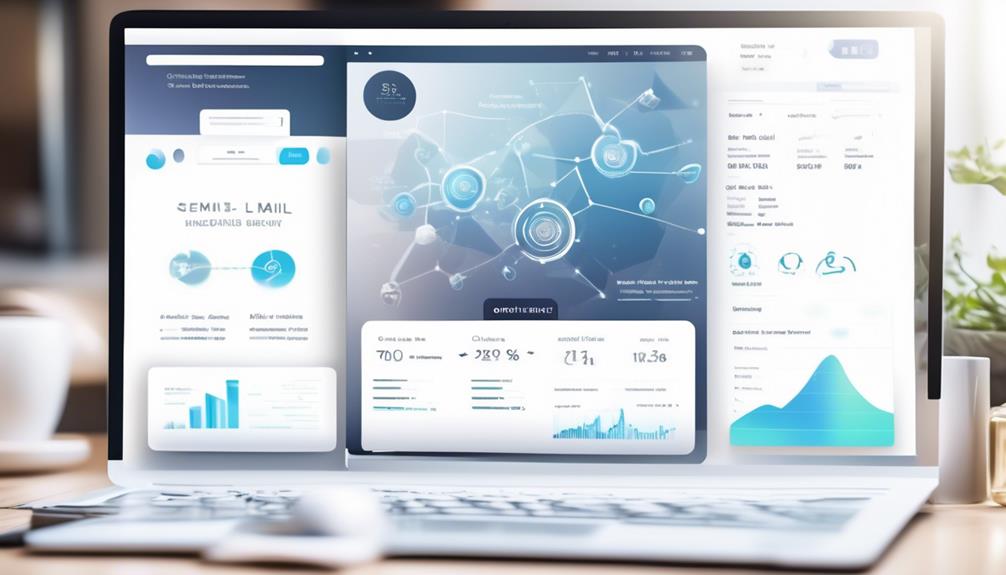
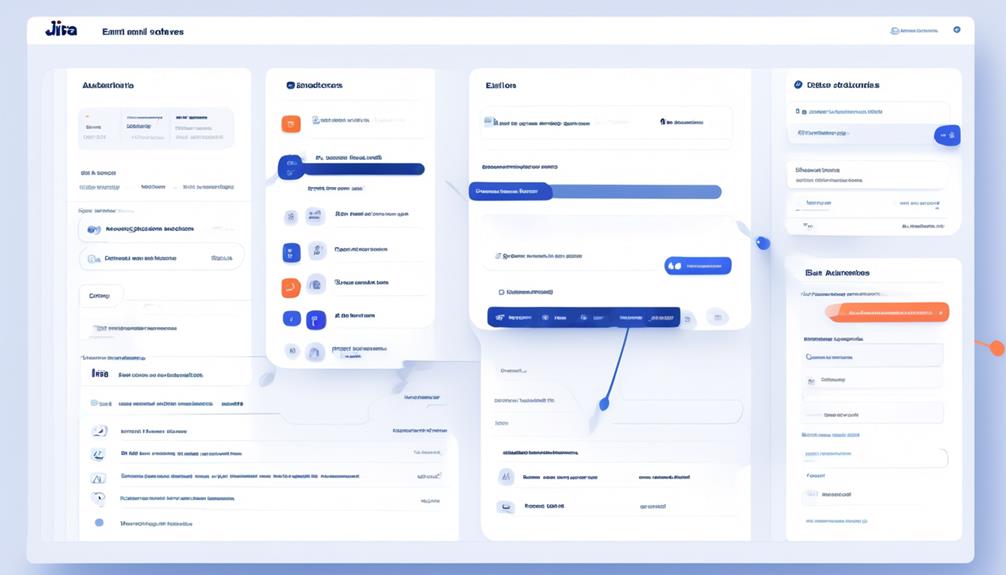
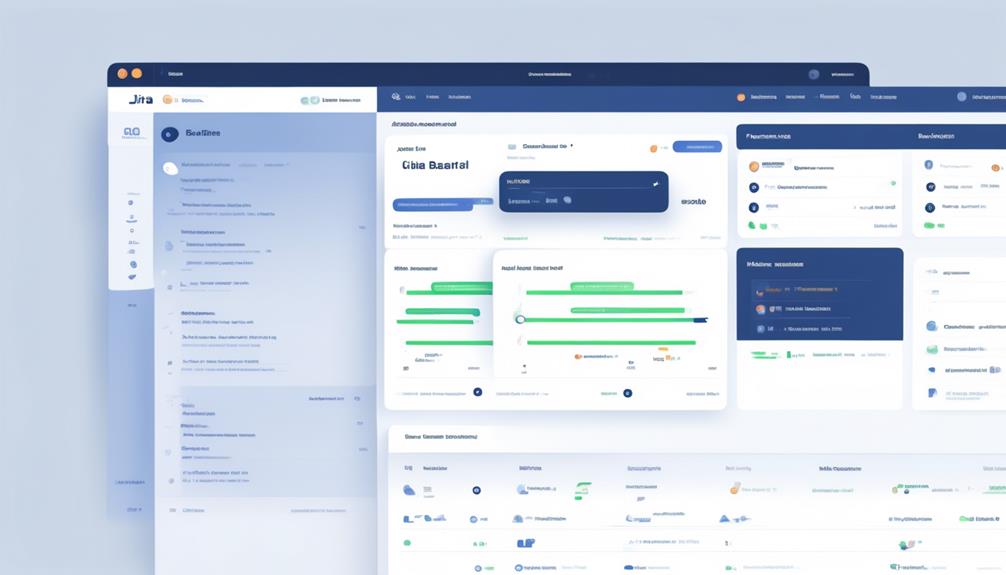
Email automation lets you send personalized, timely messages to large audiences effortlessly. It uses customer data to create targeted workflows triggered by behaviors or milestones, saving you time and reducing manual effort. With automation, your communications become more relevant, helping increase engagement and conversions. Plus, it guarantees consistency and scalability as your business grows. Keep exploring to discover how mastering email automation can boost your marketing success and deepen customer relationships.
Key Takeaways
- Email automation enables sending personalized, timely messages to large audiences without manual effort.
- It uses automated workflows triggered by customer actions or milestones to enhance engagement.
- Personalization features increase open rates and conversions by tailoring content to recipient preferences.
- Automation improves efficiency by managing sequences like welcome emails, follow-ups, and cart reminders seamlessly.
- It provides valuable insights through metrics tracking to optimize messaging and strengthen customer relationships.

Have you ever wondered how businesses send personalized messages to thousands of customers effortlessly? The answer lies in email automation, a powerful tool that streamlines communication and guarantees your audience feels individually valued. At its core, email automation allows you to create targeted, personalized messaging that reaches the right people at the right time, without requiring you to manually send each email. This technology helps you set up a series of automated workflows that trigger based on customer behaviors, preferences, or specific milestones. By doing so, you not only enhance your engagement but also free up time and resources previously spent on repetitive tasks.
When you implement email automation, workflow optimization becomes a key benefit. Instead of managing countless individual campaigns, you design a series of automated steps—such as welcome emails, follow-ups, or abandoned cart reminders—that run seamlessly in the background. This approach guarantees consistent communication and helps you nurture leads more effectively. Workflow optimization means your marketing efforts become more efficient, reducing manual errors and saving you valuable time. As a result, you can focus on strategic initiatives while your automated system handles routine outreach.
Personalized messaging plays a vital role in the success of email automation. When your emails are tailored to each recipient’s interests, behaviors, or purchase history, they become more relevant and engaging. This level of personalization increases open rates, click-throughs, and ultimately conversions. With automation, you can dynamically insert customer names, recommend products based on past purchases, or send content aligned with individual preferences—all automatically. This makes your messaging feel thoughtfully crafted, even though it’s generated through an automated process.
Moreover, email automation offers scalability that manual efforts simply can’t match. Whether you’re reaching out to hundreds or thousands of customers, automation scales effortlessly. You can create a handful of templates and workflows that adapt to a growing customer base, maintaining a personal touch without extra effort. This scalability guarantees your marketing remains consistent and professional, regardless of your business size or audience growth.
In addition, automation provides valuable insights. As your campaigns run, you can track open rates, click-throughs, and conversions to refine your messaging and workflows. This data-driven approach helps you understand what resonates with your audience, allowing continuous improvement of your automated strategies. Furthermore, understanding family connections and their influence can enhance your targeted marketing efforts. Ultimately, email automation isn’t just about saving time; it’s about creating smarter, more personalized, and effective communication that builds stronger relationships with your customers.

AOCHUAN Auto Face Tracking Tripod 360 Rotation w/RGB Light,Single-axis Phone Gimbal for iPhone Android w/Remote Control,Phone Stand Follow You for Video Recording,TikTok Vlogging(M2Pro Black)
【4-in-1 Phone Tripod】Aochuan single-axis gimbal smart M2 Pro is a multifunctional single-axis gimbal for iPhone, which can achieve...
As an affiliate, we earn on qualifying purchases.
Frequently Asked Questions
How Secure Is Email Automation Data?
Email automation data is generally secure if you implement proper measures. You should ensure data encryption to protect sensitive information during transmission and storage. Additionally, using access controls limits who can view or modify your data, preventing unauthorized access. Regular updates and strong passwords also enhance security. While no system is completely invulnerable, combining these practices considerably reduces risks and keeps your email automation data safe.
Can Small Businesses Effectively Use Email Automation?
Think of email automation as a friendly gardener tending your digital garden. Small businesses can definitely use it effectively by focusing on customer segmentation and personalized content. It helps you nurture relationships, send targeted messages, and grow your customer base without extra effort. With the right tools, you can nurture leads, increase engagement, and boost sales—just like a gardener cultivating a vibrant, thriving garden.
What Are Common Mistakes in Email Automation?
You often make mistakes in email automation by neglecting personalization strategies, which can make your messages feel generic. You also overlook the importance of A/B testing, missing opportunities to optimize subject lines and content. To improve, focus on customizing your emails based on recipient behavior and regularly test different elements. This way, you’ll increase engagement and achieve better results from your automated campaigns.
How Does Email Automation Integrate With CRM Systems?
Think of your CRM as the backbone of your email automation, seamlessly connecting your customer data to personalized campaigns. When you integrate, you enable powerful personalization strategies that boost engagement. But beware of integration challenges—sometimes systems don’t ‘speak’ the same language. Proper setup guarantees your automation triggers at the right moment, like sending a tailored offer after a purchase, creating a smoother customer journey and stronger relationships.
What Is the Typical Cost of Implementing Email Automation?
The cost of implementing email automation varies depending on your needs, with typical pricing models including subscription plans, pay-as-you-go, or tiered packages. You should do a thorough cost analysis to compare platforms and features. Expect to spend anywhere from $20 to several hundred dollars monthly, based on email volume, features, and integrations. Evaluating these factors helps you choose a solution that fits your budget and maximizes your ROI.
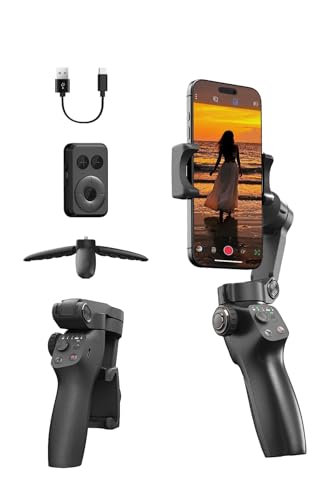
FUNSNAP CM8 Gimbal Stabilizer for iPhone Android, 3-Axis Phone Gimbal with Remote Control Portable Foldable, Phone Stabilizer for Video Recording for Tiktok YouTube Vlog
[Powerful Gimbal Stabilizer for Smartphones] Featuring improved 3-axis stabilization, this phone gimbal guarantees stable and shake-free footage, even...
As an affiliate, we earn on qualifying purchases.
Conclusion
Email automation saves you time and keeps your audience engaged effortlessly. By setting up targeted, personalized messages, you guarantee your communications are always relevant and timely. Think about how much more you could achieve with less manual effort—wouldn’t you want to focus on creating great content instead of repetitive tasks? Embracing email automation isn’t just smart; it’s essential for staying competitive in today’s digital world. Are you ready to unleash its full potential?

Smartphone Gimbal Stabilizer, 1-Axis Auto Balance & 360° Rotation, Extendable Aluminum Selfie Stick Tripod with Remote Control for iPhone & Android,Travel, Vlogging, TikTok, YouTube
Superior Image Stabilization – Equipped with a built-in sports gyroscope, this 1-Axis gimbal stabilizer reduces hand shake and...
As an affiliate, we earn on qualifying purchases.

AOCHUAN Gimbal Stabilizer for Smartphone, 4 in 1 Phone Gimbal w/360° Rotation for iPhone/Andriod Sefie Stick Tripod w/Auto Face Tracking and Wireless Remote for TIK Tok YouTube Vlogging-M1 Pro Black
AI Vision Sensor: M1 Pro phone gimbal has a built-in AI sensor that can automatically identifies and follows...
As an affiliate, we earn on qualifying purchases.