
To craft a cross-sell email that boosts order value, focus on personalization by referencing previous purchases and suggesting complementary items that fit your customer’s preferences. Use clear, active language with compelling visuals and concise content that highlight benefits. Timing is key, so send these emails shortly after a purchase or during seasonal peaks when customers are more receptive. Keep your message natural and relevant—if you explore further, you’ll discover more ways to maximize conversions effectively.
Key Takeaways
- Personalize recommendations based on previous purchases to make cross-sells more relevant and appealing.
- Use clear, active language and compelling visuals to highlight the benefits of additional products.
- Send targeted emails shortly after purchase or during peak browsing times for higher engagement.
- Keep content concise with strong calls-to-action like “Add to Your Order” to encourage immediate response.
- Emphasize how complementary items enhance the main purchase, making the cross-sell feel natural and valuable.
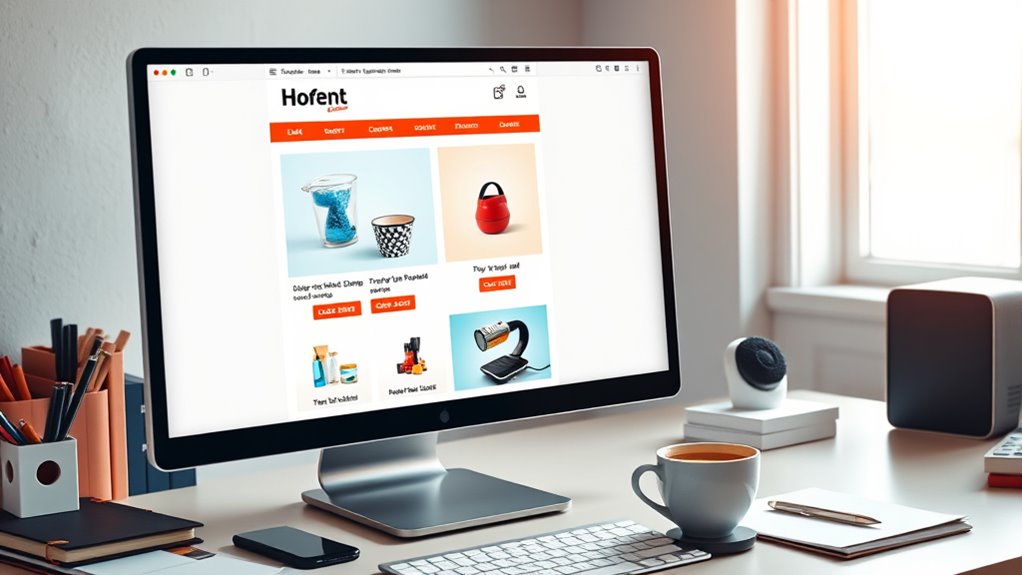
A well-crafted cross-sell email template can substantially boost your sales by encouraging existing customers to explore additional products or services. To do this effectively, you must focus on personalization strategies that resonate with each customer’s preferences and purchase history. When you tailor your messages, you show that you understand their needs, making it more likely they’ll engage and consider the upsell. Personalization can include referencing previous purchases, suggesting complementary items, or even customizing the email content based on customer demographics. The more relevant your recommendations, the higher your chances of increasing the order value. Additionally, highlighting space optimization tips can inspire customers to consider products that enhance their organization efforts. Timing optimization also plays a vital role in maximizing your cross-sell efforts. You want to send your emails at moments when your customers are most receptive — right after a purchase, during a seasonal sale, or when they’re actively browsing your website. For example, if a customer just bought a camera, an email offering accessories like lenses or bags shortly afterward can feel timely and helpful rather than intrusive. By analyzing customer behaviors and purchase patterns, you can identify these suitable moments to send your cross-sell messages, increasing the likelihood of conversion. Your email template should be concise and straightforward, emphasizing the benefits of the additional products or services you’re promoting. Use active language that clearly communicates value, such as “Enhance your experience with these must-have accessories” or “Complete your setup today.” Incorporate visually appealing images of the recommended items, and include a clear call-to-action that invites immediate engagement—like “Shop Now” or “Add to Your Order.” Remember, the goal is to make the cross-sell feel like a natural extension of their original purchase, not an afterthought.
Top picks for "cros sell email"
Open Amazon search results for this keyword.
As an affiliate, we earn on qualifying purchases.
Frequently Asked Questions
How Can I Personalize Cross-Sell Emails Effectively?
You can personalize cross-sell emails effectively by analyzing your customer’s journey and past purchases. Use this data to recommend relevant products, creating tailored offers that resonate with their needs. Incorporate product bundling to showcase complementary items, making it easier for customers to see the value. Address them by name and include personalized messages to foster a connection, increasing the likelihood of upselling and boosting your order value.
What Metrics Indicate a Successful Cross-Sell Email?
Think of your cross-sell email as a garden; healthy growth shows in key metrics. You’ll see success with increased product bundling, higher average order value, and improved customer loyalty. Open rates, click-through rates, and conversion rates reveal engagement levels. If these metrics rise after sending your email, you’re nurturing customer relationships and boosting sales, much like a thriving garden, leading to more loyal customers and bigger orders.
How Often Should I Send Cross-Sell Emails?
You should send cross-sell emails based on timing strategies that match your customers’ purchase behavior, typically 3 to 7 days after their initial order. This timing taps into sales psychology by maintaining relevance and urgency without overwhelming them. Monitor engagement metrics to adjust your frequency — too often can lead to unsubscribes, while too rarely might miss sales opportunities. Find a balance that keeps your brand top of mind and encourages additional purchases.
What Are Common Mistakes to Avoid in Cross-Selling?
You might worry about alienating customers, but avoiding common mistakes in cross-selling boosts loyalty and revenue. Don’t push irrelevant products or overly aggressive upselling strategies—this frustrates buyers. Instead, use smart product bundling that complements their purchase and personalizes offers. Keep your messaging helpful and respectful, making sure your cross-sell suggestions genuinely add value. This approach builds trust, increases order value, and encourages future purchases without feeling pushy.
How Do I Segment My Audience for Better Results?
You should analyze customer behavior to identify distinct groups, then apply segmentation strategies to tailor your messages. Use purchase history, browsing habits, and engagement levels to create targeted segments. By doing so, you’ll craft personalized cross-sell offers that resonate with each group’s interests, increasing the likelihood of higher order values. Regularly refine your segmentation strategies based on new data to keep your campaigns relevant and effective.
Conclusion
Imagine your customer’s shopping cart as a garden. When you introduce a well-timed cross-sell email, it’s like planting a new flower that complements the existing blooms. Just as a vibrant bouquet draws the eye, a strategic suggestion can boost your order value—sometimes by over 30%. Keep nurturing those relevant offers, and watch your sales flourish like a thriving garden. Small, thoughtful touches truly can turn a simple purchase into a flourishing success.