Segmentation in automation lets you send targeted emails based on customer behavior, making your campaigns more relevant and timely. By monitoring actions like website visits or abandoned carts, you can trigger personalized messages that encourage conversions. Using dynamic content tailored to each recipient’s activity boosts engagement and customer satisfaction. This approach streamlines your marketing efforts and increases effectiveness. Keep exploring how behavioral triggers can maximize your email marketing success.
Key Takeaways
- Behavior-based segmentation groups customers by actions like website visits or cart abandonment.
- Triggered emails are automated messages sent in response to specific customer behaviors.
- Segmentation allows targeting tailored content based on user activity for higher engagement.
- Real-time data enables dynamic content customization within triggered emails.
- Combining segmentation with behavior triggers improves conversion rates and customer experience.

Segmentation in automation is a crucial process that helps businesses divide their markets or processes into distinct, manageable parts. When it comes to email marketing, this segmentation allows you to target specific groups of customers with personalized messages, increasing engagement and conversion rates. A key element of effective segmentation is customer profiling, which involves gathering data about your audience’s preferences, behaviors, and demographics. By building detailed profiles, you can better understand what motivates your customers and tailor your communications to suit their needs. For example, if you know a segment prefers product updates over promotional offers, you can prioritize sending relevant content that resonates with them.
Dynamic content customization takes this a step further by enabling you to modify email content in real-time based on customer behavior and profile data. Instead of sending generic messages, you can create personalized emails that adapt to each recipient’s interests, past interactions, or purchase history. When a customer browses a specific product category on your website, you can trigger an email that features related products or special discounts on similar items. This targeted approach not only captures their attention but also encourages actions that benefit both your business and the customer.
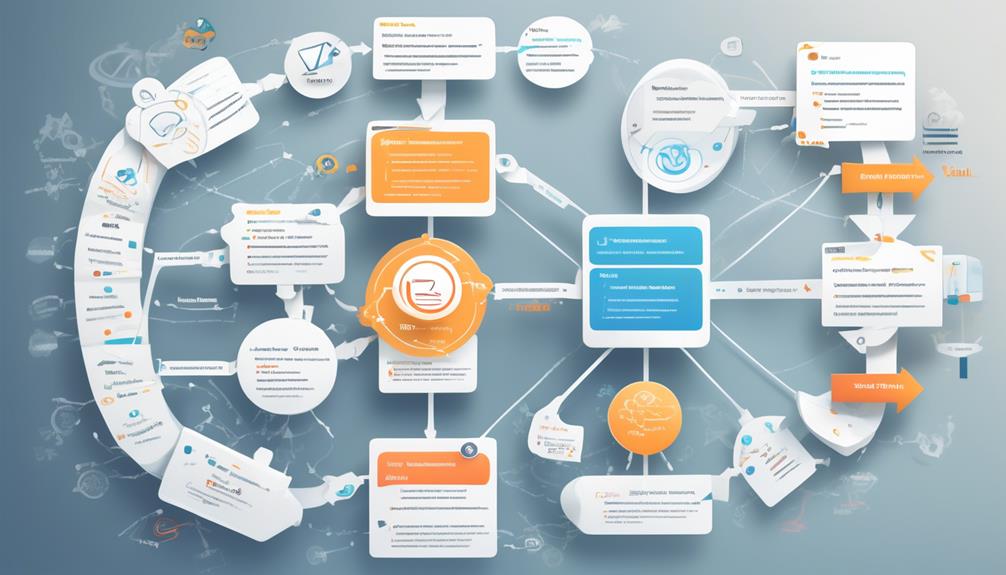
Triggering emails based on behavior is a powerful way to leverage segmentation. When you monitor a customer’s activity—such as abandoned shopping carts, website visits, or past purchases—you can set automation rules that send timely, relevant messages. For instance, if a customer leaves items in their cart, an automated reminder with dynamic content showing those exact products can nudge them toward completing the purchase. Similarly, if someone signs up for a webinar or downloads a resource, you can follow up with tailored content designed to deepen their engagement with your brand.
Frequently Asked Questions
How Do I Ensure Data Privacy in Behavioral Email Segmentation?
To guarantee data privacy in behavioral email segmentation, you should prioritize privacy compliance and use data anonymization techniques. Make sure your data collection aligns with regulations like GDPR or CCPA, and anonymize sensitive information whenever possible. Obtain clear user consent, limit data access to authorized personnel, and regularly audit your data practices. These steps help protect user privacy while allowing effective segmentation based on behavior.
What Tools Are Best for Real-Time Segmentation?
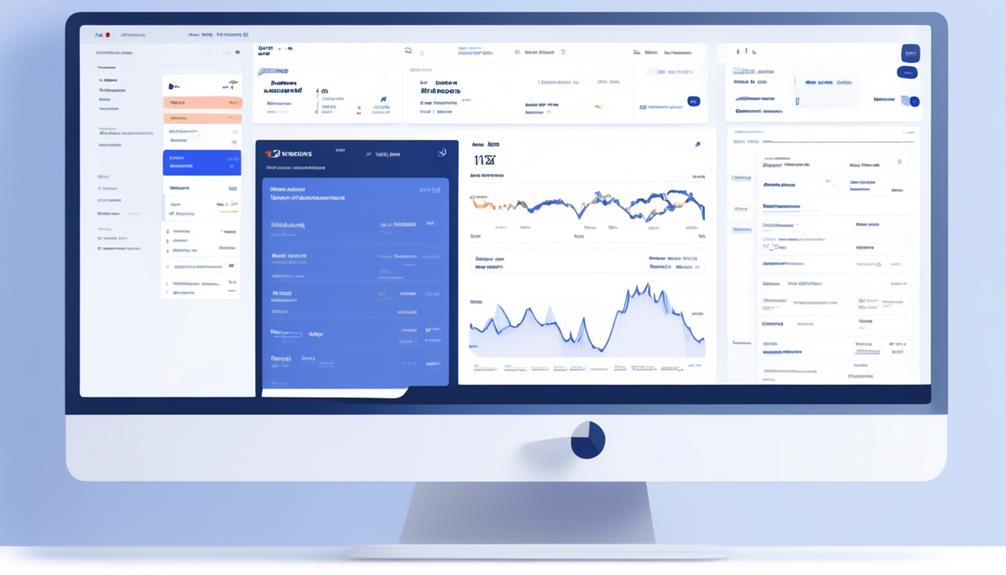
You’re about to harness the power of real-time segmentation tools that feel like having a supercomputer at your fingertips. Platforms like HubSpot, ActiveCampaign, and Klaviyo excel at this, using behavioral triggers to instantly segment your audience. They enable you to deliver dynamic content tailored to each user’s actions, ensuring your emails resonate instantly. These tools make it easy to craft personalized, timely messages that drive engagement and conversions effortlessly.
How Often Should I Update My Segmentation Criteria?
You should update your segmentation criteria regularly, ideally every few weeks or monthly, to keep your customer profiling accurate. This allows you to incorporate dynamic content that reflects current customer behavior and preferences. Frequent updates ensure your automation remains relevant and personalized, increasing engagement. Monitor changes in customer behavior and adjust your segmentation accordingly, so your triggered emails always target the right audience with the most relevant content.
Can Segmentation Improve Email Open Rates Significantly?
Yes, segmentation can substantially boost your email open rates. By applying effective personalization strategies and analyzing segmentation analytics, you target your audience with relevant content. This relevance makes recipients more likely to open your emails. Regularly updating your segmentation criteria ensures your messages stay aligned with your audience’s evolving preferences. When you tailor your campaigns precisely, you create a more engaging experience that encourages higher open and click-through rates.
What Are Common Mistakes to Avoid in Automation Segmentation?
You should avoid poor segmentation accuracy and shallow customer profiling, as these can lead to irrelevant emails and lower engagement. Don’t rely on outdated data or broad categories that don’t reflect individual behaviors. Always update your segmentation criteria regularly and use detailed customer profiles. This way, you guarantee your automated emails target the right audience, boosting open rates and fostering stronger relationships.
Conclusion
By embracing segmentation in automation, you gently guide your audience toward more personalized experiences, creating a seamless journey that feels natural and engaging. When you thoughtfully trigger emails based on behavior, you’re subtly fostering stronger connections without overwhelming your contacts. Remember, the key is to nurture these relationships with care and patience, allowing your messaging to resonate softly and effectively. Ultimately, this approach helps you build trust and loyalty, making every interaction a pleasant step forward.