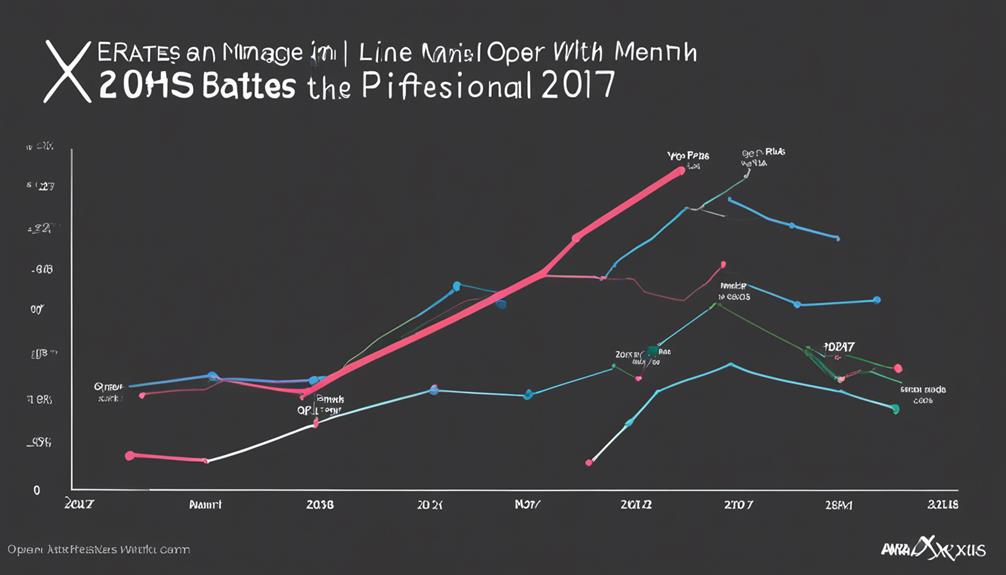
Click‑to‑open rate (CTOR) offers a more reliable way to gauge engagement than open rates alone because it shows how many recipients not only open your email but also click on its content. Unlike open rates, CTOR helps you understand how compelling your message truly is and whether it prompts action. By focusing on CTOR and testing different strategies, you’ll improve your campaign’s effectiveness—discover more tips to boost your results if you keep exploring.
Key Takeaways
- CTOR directly measures the quality of email content by showing the percentage of opens that lead to clicks.
- Unlike open rates, CTOR accounts for recipient engagement after opening, indicating content relevance.
- Improving CTOR through personalization and A/B testing helps optimize messaging for higher interaction.
- CTOR offers more actionable insights for refining email campaigns than open rates alone.
- Tracking CTOR enables marketers to focus on content effectiveness and drive meaningful audience engagement.

When it comes to measuring email engagement, open rates alone often fall short of providing an accurate picture of recipient interest. You might see that a high open rate suggests your message is getting noticed, but it doesn’t tell you whether your audience actually finds the content compelling enough to take action. That’s where click‑to‑open rate (CTOR) becomes a more dependable metric. CTOR measures the percentage of people who open your email and then click on a link within it. It’s a direct indicator of how engaging your content truly is once someone has opened the email. Instead of relying solely on open rates, focusing on CTOR helps you understand whether your messaging resonates and prompts interaction.
Open rates alone don’t reveal audience engagement—click‑to‑open rate (CTOR) offers a clearer picture of content effectiveness.
To improve your CTOR, consider leveraging A/B testing. This involves creating different versions of your email—varying subject lines, calls to action, or layout—and seeing which version yields a higher click‑to‑open rate. A/B testing allows you to pinpoint what elements drive engagement and refine your approach over time. For example, testing different headlines can reveal which phrasing entices more recipients to open and then click through. By analyzing these results, you gain actionable insights that help you craft more effective emails tailored to your audience’s preferences. Additionally, understanding how content quality impacts engagement can inform your content strategy and lead to higher CTOR.
Personalization strategies also play an essential role in boosting CTOR. When you personalize your emails—using recipients’ names, past purchase data, or tailored content—you make the message more relevant. Personalized emails are more likely to catch your audience’s attention and motivate them to click. For instance, recommending products based on previous purchases or sending targeted offers increases the likelihood that recipients will engage with your links. The key is to use data-driven personalization to make your content feel less generic and more aligned with individual interests, which naturally encourages higher click‑throughs.
Ultimately, tracking CTOR provides deeper insights into your email campaigns. It highlights whether your content is compelling enough to inspire action after the email is opened. By combining A/B testing with personalization strategies, you can continuously optimize your emails to enhance engagement. Instead of relying on open rates alone, focusing on click‑to‑open rate helps you understand what truly drives your audience’s interaction, enabling you to develop smarter, more effective email marketing strategies that deliver measurable results.

hohem iSteady X3 SE Gimbal Stabilizer for iPhone, Phone Stabilizer with Detachable Remote Control, Portable Foldable 3-Axis Phone Gimbal for Android & iPhone 16 15 Pro Max, Ideal for Travel Vlogging
Detachable Remote Controller: The hohem iSteady X3 SE Gimbal comes with a detachable magnetic remote, allowing you to...
As an affiliate, we earn on qualifying purchases.
Frequently Asked Questions
How Does Click‑To‑Open Rate Compare to Overall Email Engagement?
Click‑to‑Open Rate (CTOR) offers a more precise look at engagement than overall email metrics. It shows how recipients interact with your content after opening, influenced by factors like email timing and subject line. When you focus on CTOR, you see which subject lines and send times drive clicks, helping you optimize your campaigns. Overall engagement can be misleading, but CTOR pinpoints the effectiveness of your message and design.
Can Click‑To‑Open Rate Predict Long-Term Customer Retention?
Ever wondered if click‑to‑open rate can forecast long-term customer retention? It can, because a high rate shows engagement and customer loyalty, which are key to reducing churn. While it’s not a crystal ball, tracking click‑to‑open helps identify loyal customers and predict potential churn, enabling you to tailor retention strategies. So, by focusing on this metric, you’re better positioned for accurate churn prediction and strengthening your customer relationships.
What Are Common Pitfalls When Analyzing Click‑To‑Open Metrics?
When analyzing click-to-open metrics, watch out for common pitfalls like click fraud, which inflates engagement numbers, and open bias, where open rates don’t accurately reflect genuine interest. You might misinterpret data if you don’t account for these issues, leading to skewed insights. Always verify your data sources and consider other engagement signals alongside click-to-open rates to get a clearer, more reliable picture of customer interaction.
How Can I Improve My Click‑To‑Open Rates Effectively?
To improve your click‑to‑open rates, focus on personalization strategies that make your emails more relevant to each recipient. Optimize your subject lines to grab attention and encourage opens. Test different messaging, visuals, and calls-to-action to see what resonates best. Consistently analyze your metrics, refine your approach, and tailor content based on audience preferences. This targeted effort boosts engagement and helps your campaigns perform better over time.
Does Click‑To‑Open Rate Vary Across Different Industries?
Yes, your click‑to‑open rate varies across industries due to industry benchmarks and regional differences. For example, tech industries often see higher rates, while retail may have lower ones. Regional differences can also impact engagement, as cultural preferences influence how recipients interact with emails. To improve your rates, compare your performance to industry benchmarks, and tailor your content to regional audiences for better engagement.
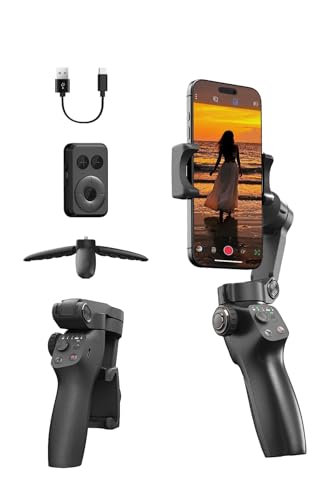
FUNSNAP CM8 Gimbal Stabilizer for iPhone Android, 3-Axis Phone Gimbal with Remote Control Portable Foldable, Phone Stabilizer for Video Recording for Tiktok YouTube Vlog
[Powerful Gimbal Stabilizer for Smartphones] Featuring improved 3-axis stabilization, this phone gimbal guarantees stable and shake-free footage, even...
As an affiliate, we earn on qualifying purchases.
Conclusion
By focusing on click-to-open rates, you get a clearer picture of your audience’s genuine interest, like peering through a window into their true engagement. Instead of chasing empty opens, you’re catching the spark of curiosity that fuels meaningful interactions. Think of it as shifting from a blurry snapshot to a vivid, detailed portrait. With this sharper lens, you can craft campaigns that truly resonate, turning passive viewers into active participants in your story.

DJI Osmo Mobile SE, 3-Axis Phone Gimbal for iPhone, Android, Built-in Tripod, Selfie Stick, Gimbal Stabilizer for iphone, Andriod, ActiveTrack 6.0, Vlogging Stabilizer for Youtube, TikTok, Travel
Portable, Foldable, and Magnetically Quick - This compact gimbal is a must-have for any content creator's essentials, allowing...
As an affiliate, we earn on qualifying purchases.
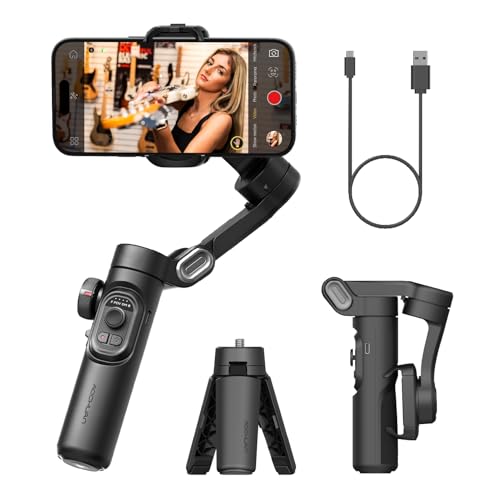
AOCHUAN Phone Gimbal Stabilizer 3-Axis Smartphone Foldable Handheld Gimbal for iPhone with Focus Wheel TikTok YouTube Vlog Stabilizer for iPhone17 16 15 14 13 Pro Max Android-Smart XE
[Powerful and Versatile 3-Axis Foldable Gimbal Stabilizer for Smartphones.]More powerful than any other smartphone gimbal, works well and...
As an affiliate, we earn on qualifying purchases.