

To recover declining open rates, focus on refining your personalization by tailoring content based on subscriber preferences and behaviors, ensuring your emails resonate. Optimize your send times using audience insights and automation to deliver messages when your subscribers are most receptive. Regularly test subject lines, timing, and content relevance, and continually analyze results for improvements. By applying these strategies, you can boost engagement and regain your audience’s attention—discover more ways to turn things around below.
Key Takeaways
- Analyze engagement metrics to identify patterns and segments with declining open rates for targeted re-engagement strategies.
- Personalize content based on past interactions and preferences to make emails more relevant and appealing.
- Optimize send times using A/B testing and audience behavior insights to reach recipients when they are most receptive.
- Implement automated re-engagement campaigns triggered by inactivity to reignite interest and renew engagement.
- Continuously test subject lines, timing, and content to refine strategies and adapt to evolving subscriber preferences.

Over time, your email open rates can decline, making it harder to engage your audience and achieve your marketing goals. To reverse this trend, you need to focus on refining your approach, especially through personalization tactics and timing optimization. Personalization goes beyond inserting the recipient’s name; it involves tailoring content based on their preferences, behaviors, and past interactions. When your emails feel relevant and targeted, your audience is more likely to open them. Segment your list to deliver specific offers, updates, or information that resonate with different groups. For instance, a new subscriber might appreciate an introductory series, while a long-time customer might respond better to exclusive deals. Use data from past opens, clicks, and browsing history to inform your messaging, making each email feel like a one-on-one conversation rather than a mass broadcast. Understanding search intent can also help craft content that directly addresses what your audience is seeking, increasing engagement.
Timing optimization is equally critical. Sending emails at the right moment can dramatically improve open rates. Analyze your audience’s behavior patterns—when they tend to check their inboxes, during which hours, and on which days. Many studies show that mid-mornings and early afternoons during weekdays often see higher engagement, but your audience might have different habits. Use A/B testing to experiment with send times and identify the most favorable windows for your specific list. Automate your campaigns to send emails based on user actions, such as cart abandonment or recent purchases, ensuring your messages arrive when recipients are most receptive. Consistent timing builds anticipation and trust, so your audience begins to expect and look forward to your emails.
Combining personalization tactics with timing optimization creates a powerful synergy that can notably boost your open rates. When you deliver highly relevant content at the moments your audience is most attentive, your emails stand out amid the crowded inbox. Keep track of your metrics and continually refine your strategies based on what works best. Don’t forget to test subject lines, preview texts, and even your sender name, as small tweaks here can also impact open rates. Remember, the goal isn’t just to get opens but to foster meaningful engagement that leads to conversions. By focusing on personalization and timing, you give your email campaigns a better chance to succeed, ultimately helping you reconnect with your audience and achieve your marketing objectives.

Canon EOS R100 Mirrorless Camera RF-S18-45mm F4.5-6.3 is STM Lens Kit, 24.1 Megapixel CMOS (APS-C) Sensor, 4K Video, RF Mount, Black
Stellar Image Quality: Canon EOS R100 4K digital camera with 24.1 megapixel CMOS (APS-C) sensor for superb image...
As an affiliate, we earn on qualifying purchases.
Frequently Asked Questions
How Do Open Rates Impact Overall Email Marketing Success?
Open rates directly influence your overall email marketing success because higher rates mean more recipients engage with your content. When you use personalization strategies and optimize your subject lines, you increase the likelihood of your emails being opened. This boosts click-throughs and conversions, ultimately improving your ROI. Focus on crafting compelling subject lines and personalized messages to keep your open rates high and your campaigns effective.
What Are Common Reasons for Declining Open Rates?
You might notice open rates decline when your subject line isn’t compelling or your timing isn’t right—statistics show 35% of recipients open emails based solely on the subject line. Common reasons include dull subject lines, poor timing, or irrelevant content. To fix this, optimize your subject lines for curiosity and clarity, and use timing strategies like sending emails when your audience is most active to boost open rates.
How Can Segmentation Improve Open Rates?
Segmentation improves open rates by enabling you to implement personalization tactics that target specific audience groups. When you tailor your content to match their interests, behaviors, or preferences, recipients feel more valued and are more likely to open your emails. By focusing on audience targeting, you increase relevance, which boosts engagement and helps reverse declining open rates over time. This targeted approach guarantees your messages resonate, encouraging higher open and click-through rates.
What Role Does Sender Reputation Play in Open Rates?
Your sender reputation directly impacts open rates because it influences sender authentication and whether your emails get caught in spam filters. If you maintain good sender practices, like authenticating your emails properly, you diminish the chances of being flagged by spam filters. This ensures your messages land in inboxes, boosting open rates. Regularly monitor your reputation and address issues promptly to keep your emails trusted and accessible to your audience.
Are There Industry-Specific Benchmarks for Open Rates?
Yes, industry-specific benchmarks for open rates exist, but they vary widely. To improve your open rates, focus on personalization tactics like tailoring subject lines to your audience’s interests. Optimize your subject lines by making them clear, compelling, and relevant. Regularly compare your performance to industry standards, and refine your strategies accordingly. This targeted approach helps you stand out and encourages recipients to open your emails more often.
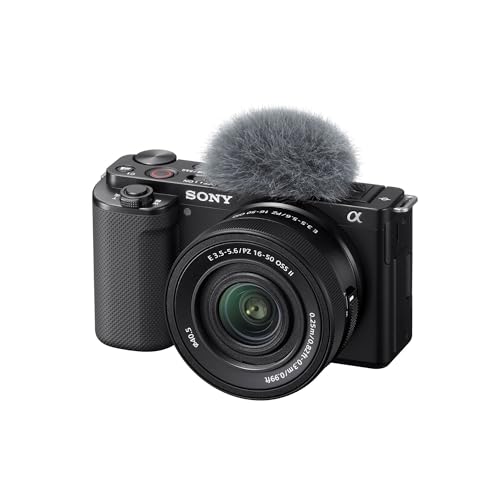
Sony Alpha ZV-E10 - APS-C Interchangeable Lens Mirrorless Vlog Camera Kit - Black, ZVE10KB
24.2MP APS-C Exmor CMOS Sensor and fast BIONZ X processor
As an affiliate, we earn on qualifying purchases.
Conclusion
Don’t assume your open rates are beyond saving. By consistently testing subject lines, personalizing content, and refining your timing, you can reignite engagement. Some might think it’s too late to turn things around, but even small adjustments can make a big difference. Remember, email marketing is an ongoing process—stay flexible, analyze your results, and keep experimenting. Your efforts will pay off, and your open rates will start climbing again.

Sony Alpha ZVE10 II - APS-C Interchangeable Lens Mirrorless Content Creators’ Camera - Black - with Lens
Exmor R CMOS sensor: The ZV-E10 II features Sony's most advanced sensor technology in an APS-C back-illuminated Exmor...
As an affiliate, we earn on qualifying purchases.

Canon EOS R50 V Mirrorless Camera with RF-S14-30mm F4-6.3 is STM PZ Lens, APS-C Sensor, 24.2 Megapixels, Ultra-Wide Zoom, Fast Autofocus, Vlogging and Live Streaming Kit for Content Creators, Black
Enjoy interchangeable lens video shooting with the first EOS V series camera body.
As an affiliate, we earn on qualifying purchases.