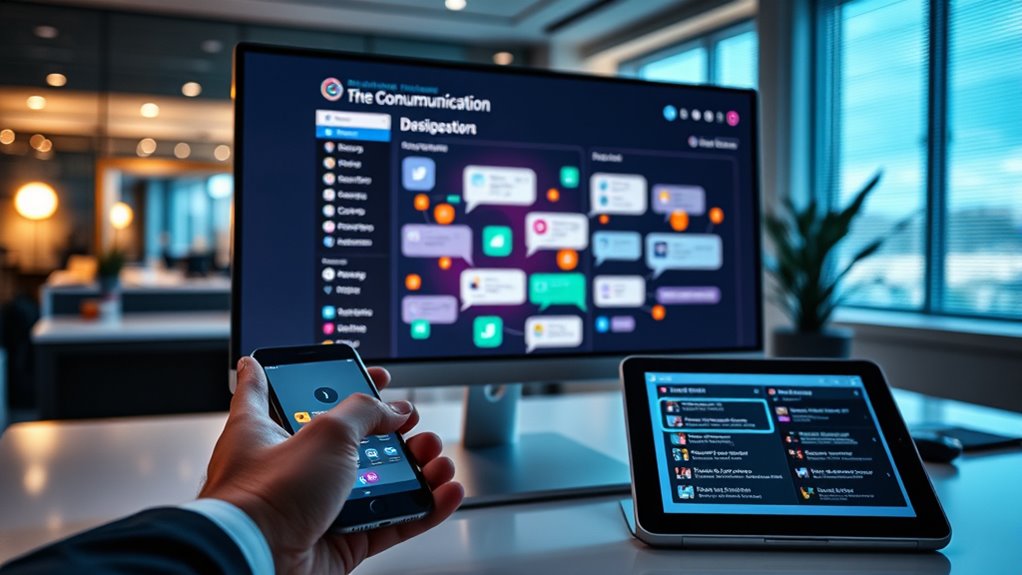

To successfully combine email with SMS and chat, focus on creating a unified communication strategy that delivers consistent, personalized messages across channels. Use automation to trigger relevant interactions based on customer behaviors, and leverage analytics to fine-tune your approach. By integrating these channels seamlessly, you’ll meet customers on their preferred platform, boost engagement, and build loyalty. Exploring further will reveal how to optimize your omnichannel efforts for maximum impact.

Get business pricing on office and shipping supplies
- Business-only prices and quantity discounts
- Tax-exempt purchasing
- Multiple users, one account, clear invoices
Key Takeaways
- Integrate email, SMS, and chat to create seamless, personalized customer interactions across preferred channels.
- Use analytics to tailor messaging based on customer behaviors, improving engagement and conversion rates.
- Automate workflows triggered by customer actions, maintaining consistency across all communication channels.
- Track real-time performance metrics to optimize campaigns and refine personalization strategies effectively.
- Enhance customer satisfaction and loyalty through a unified, data-driven approach that adapts to evolving preferences.
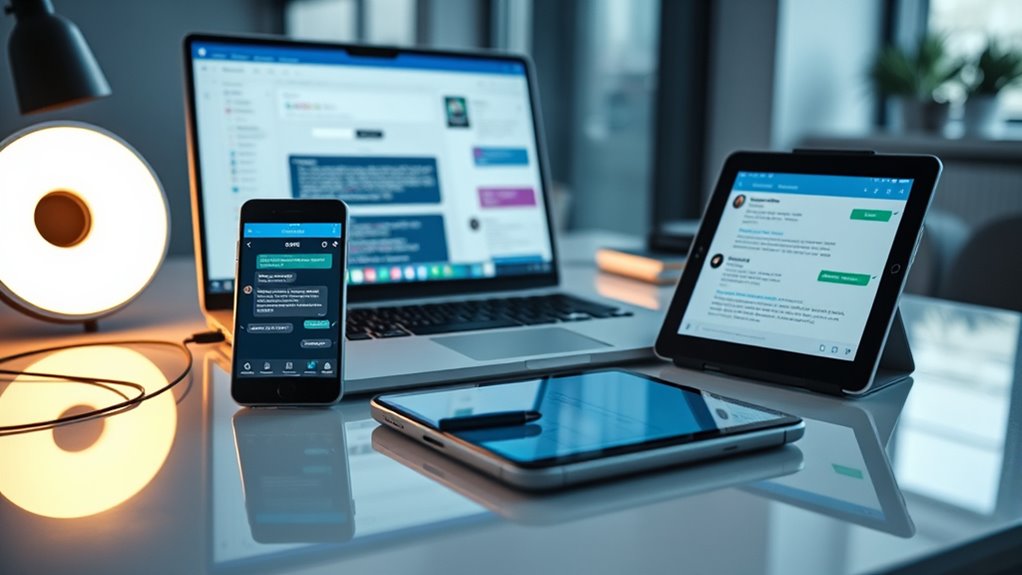
In today’s fast-paced digital landscape, integrating email across multiple channels has become essential for delivering seamless customer experiences. When you combine email with SMS and chat, you create a unified communication approach that meets customers wherever they prefer to engage. To make this integration truly effective, you need to focus on personalization strategies. Personalization isn’t just about inserting a customer’s name into an email; it’s about tailoring content based on their behaviors, preferences, and past interactions. By leveraging data from your analytics and reporting tools, you gain deep insights into how your customers interact across channels. This allows you to craft targeted messages that resonate more deeply, increasing engagement and conversions. For instance, if analytics show a customer frequently opens your emails but rarely clicks, you can adjust your messaging to be more compelling or offer incentives that drive action. Similarly, if a customer prefers quick responses, integrating chat or SMS can ensure they receive timely support or updates, improving their overall experience.
Using analytics and reporting, you can track the performance of your omnichannel campaigns in real time. This enables you to identify which channels are performing best for specific segments and optimize your strategies accordingly. When you analyze these metrics, you can see patterns—such as which messages lead to conversions or how customers respond to different types of content across channels. This data-driven approach helps refine your personalization strategies, making each interaction more relevant. The goal is to create a cohesive, consistent experience that feels personalized regardless of whether your customer interacts via email, SMS, or chat. When you harness the power of analytics, you can identify pain points or drop-off moments, then adjust your messaging or timing to keep customers engaged.
Integrating these channels also means automating workflows based on customer behaviors. For example, if a customer abandons a shopping cart, you can trigger an email followed by a timely SMS reminder, and if they respond, switch to chat support—all seamlessly connected. The key is to ensure your messaging remains consistent and personalized throughout the journey. With the right mix of personalization strategies and robust analytics, you’ll create a fluid customer experience that feels tailored and responsive. This not only boosts engagement but builds loyalty, as your customers recognize that their preferences and behaviors are understood and valued. Ultimately, your success depends on continuously analyzing your data, refining your personalization tactics, and ensuring your omnichannel approach remains aligned with your customers’ evolving expectations.
email marketing automation tools
As an affiliate, we earn on qualifying purchases.
As an affiliate, we earn on qualifying purchases.
Frequently Asked Questions
How Does Omnichannel Integration Impact Data Privacy and Security?
You should know that omnichannel integration impacts data privacy and security by requiring strong data encryption and access control measures. These safeguards protect sensitive information across channels, ensuring only authorized users can access customer data. By implementing robust encryption and strict access controls, you can minimize risks of data breaches, maintain customer trust, and comply with privacy regulations, making your integrated communication system both secure and reliable.
Can Small Businesses Implement Omnichannel Email Integration Effectively?
Yes, small businesses can implement omnichannel email integration effectively. Focus on customer segmentation to tailor your messages across channels like email, SMS, and chat. Personalized messaging builds stronger relationships and boosts engagement. Start with a simple platform, automate where possible, and analyze response data to refine your approach. This way, you enhance customer experience, increase loyalty, and maximize your marketing efforts without feeling overwhelmed.
What Are the Costs Associated With Implementing Omnichannel Communication Tools?
Implementing omnichannel tools typically costs between $1,000 and $10,000, depending on features and size. You should conduct an ROI analysis to guarantee these implementation costs lead to increased customer engagement and sales. While initial expenses include software, integration, and training, the long-term benefits of seamless communication often outweigh these costs. By investing wisely, you’ll improve customer satisfaction and drive growth effectively.
How Does Omnichannel Integration Influence Customer Response Times?
Omnichannel integration boosts customer response times by streamlining communication across channels, making it easier for you to engage customers quickly. With unified messaging, you can respond faster, improving response efficiency and boosting customer engagement. This seamless approach reduces delays, guarantees consistent interactions, and helps you address customer needs promptly, leading to higher satisfaction and loyalty. Overall, integrated channels make your responses more agile and effective, enhancing the customer experience.
What Are the Best Practices for Training Staff on New Systems?
You should establish clear training protocols that focus on hands-on practice and real-life scenarios to boost staff engagement. Encourage active participation through interactive sessions and provide accessible resources for ongoing learning. Regular feedback helps identify gaps and reinforces skills. By fostering a supportive environment, you guarantee your team feels confident and prepared to utilize new systems effectively, ultimately improving customer interactions and overall service quality.
Conclusion
By embracing omnichannel email integration, you open a seamless conversation across email, SMS, and chat—creating a symphony of communication that resonates with your customers. This connected approach isn’t just a strategy; it’s the bridge that transforms isolated touchpoints into a harmonious experience. When you unify channels, you don’t just respond—you engage, listen, and build loyalty. After all, in the dance of customer relationships, isn’t harmony the true rhythm?
Halloween Picks
halloween
As an affiliate, we earn on qualifying purchases.