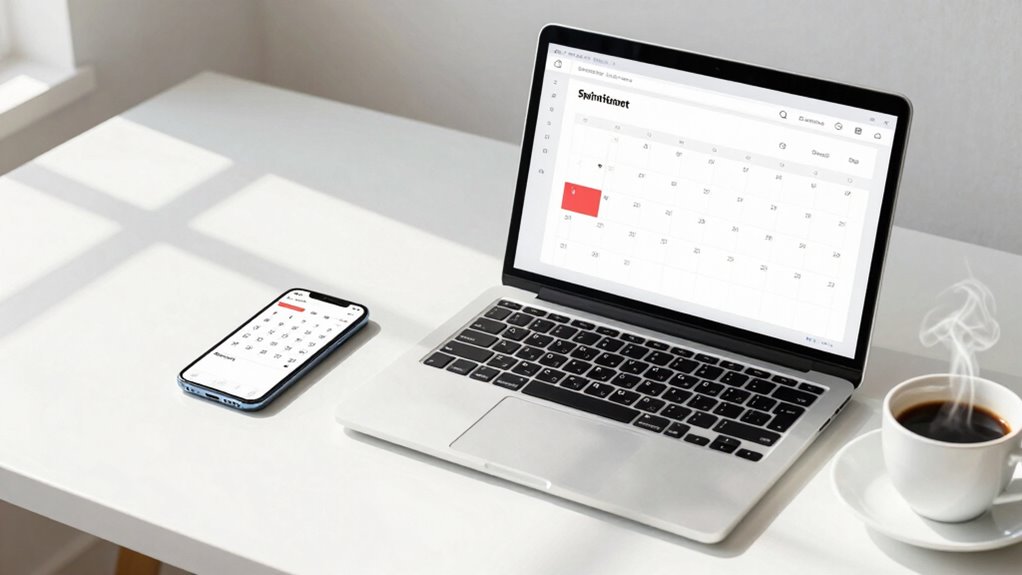

To personalize email timing without overcomplicating it, start by observing your recipients’ habits, like when they open emails or respond. Use simple tools or CRM features to account for their time zones and schedule messages accordingly. Focus on key behavioral triggers, such as early mornings or post-lunch periods, rather than tracking every move. Small adjustments like these can make a big difference in engagement, and you’ll discover more effective strategies as you explore further.

Get office and shipping supplies delivered free — and shop member deals
- Fast, free delivery on millions of items
- Access to Prime Big Deal Days deals on October 6–7
- Prime Video, Amazon Music and more included
Key Takeaways
- Focus on general behavioral patterns like morning or post-lunch activity peaks instead of detailed tracking.
- Use scheduling tools to send emails during recipients’ local working hours automatically.
- Identify and target specific days or times when your audience is most active, based on broad observations.
- Personalize timing based on recipient time zones without over-analyzing individual habits.
- Keep adjustments simple by aligning email sends with regional preferences and cultural communication norms.
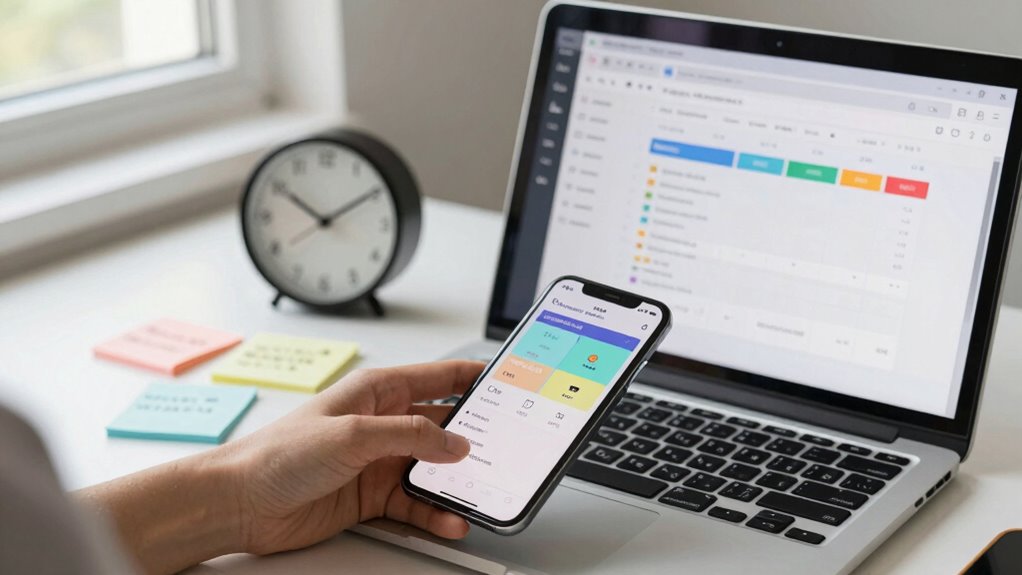
Have you ever wondered why some of your emails get ignored while others get quick responses? The difference often boils down to timing and how well you understand your recipient’s habits. Personalizing email timing isn’t about overhauling your entire process; it’s about smartly leveraging behavioral triggers and optimizing for time zones. When you tap into these elements, you increase the chances that your message will land when your prospect or client is most receptive.
Behavioral triggers are key to understanding the best moment to reach out. For example, if you notice someone tends to open emails early in the morning or after lunch, you can tailor your send times accordingly. Pay attention to patterns—if they respond quickly to emails sent on weekdays or during specific hours, use that insight to your advantage. You don’t need to track every move obsessively; a few observations can reveal enough to improve your timing. This way, you’re not just shooting emails into the void—you’re targeting moments when your audience is more engaged and likely to reply.
Another crucial factor is time zone optimization. It’s easy to ignore this when you’re juggling multiple contacts across different regions, but it can make a significant difference. Always double-check the recipient’s time zone before hitting send. Sending an email at 2 a.m. might seem like a good idea if you’re working late, but it’s unlikely to be seen until hours later, if at all. Tools like scheduling features in email platforms or CRM systems can automate this process, ensuring your message arrives during business hours in their local time. This simple step prevents your email from getting buried or ignored because of poor timing. Additionally, understanding behavioral patterns can help you refine your outreach even further. Recognizing cultural differences can also be beneficial when reaching out to international contacts, as it influences how and when they prefer to communicate. Being aware of these regional communication preferences can enhance the effectiveness of your timing strategy. Moreover, familiarizing yourself with privacy policies and respecting boundaries ensures your outreach remains professional and respectful of recipient preferences.
In addition, understanding the contrast ratio of your email content—such as how visually compelling and clear your message appears—can influence engagement, just like contrast ratios in projectors affect picture clarity. Combining behavioral triggers with time zone optimization makes your outreach more intentional and less random. Instead of guessing when to send emails, you’re making informed decisions based on observed behaviors and regional considerations. This approach doesn’t require complex automation or extensive data analysis—just a bit of awareness and a few strategic adjustments. When you align your timing with how your contacts behave and when they’re most active, you create a natural flow that invites engagement.
Ultimately, personalizing email timing isn’t about perfection; it’s about being thoughtful and strategic. By paying attention to behavioral triggers and ensuring your messages arrive at appropriate times across different time zones, you make your outreach more effective and less intrusive. This simple shift can lead to higher open rates, quicker responses, and better overall communication. It’s a small change that can make a big difference in how your emails are received.
As an affiliate, we earn on qualifying purchases.
Frequently Asked Questions
Can I Automate Personalized Email Timing Effectively?
Yes, you can automate personalized email timing effectively by leveraging audience segmentation and content customization. By segmenting your audience based on behavior or preferences, you can send timely emails that resonate. Automation tools allow you to schedule messages precisely when recipients are most likely to engage. This approach guarantees your emails are personalized and well-timed, boosting open rates and engagement without overcomplicating your workflow.
What Tools Help Optimize Email Send Times?
Coincidentally, tools like Mailchimp and HubSpot excel at optimizing email send times through smart email scheduling and audience segmentation. These platforms analyze your recipient data to suggest ideal timings, making your emails more effective. By automating with these tools, you guarantee your messages land when your audience is most receptive, without adding complexity. Incorporate their features to personalize your email timing effortlessly, boosting engagement and conversions.
How Do Time Zones Affect Personalized Email Timing?
Time zones greatly influence personalized email timing because regional differences dictate when your audience is most receptive. You need to account for cultural considerations, such as local work hours and holidays, to avoid sending emails at awkward times. By understanding these factors, you can schedule your emails to reach recipients during ideal moments, increasing engagement and response rates without overcomplicating your process. This approach guarantees your messages are timely and culturally sensitive.
Is There a Best Time to Send Personalized Emails?
Think of your email timing as catching the perfect wave—there’s no one-size-fits-all moment. The best time to send personalized emails is when your audience is most likely to engage, often mid-morning or early afternoon. Keep your subject line compelling, and don’t flood their inbox—balance your email frequency. By aligning these elements, you ride the wave of engagement without risking a wipeout.
How Often Should I Adjust Email Timing Strategies?
You should regularly adjust your email timing strategies based on customer behavior and insights from A/B testing. Monitor open and click-through rates to identify patterns, then refine your send times accordingly. Don’t wait too long—test periodically, like monthly or quarterly, to stay aligned with evolving customer preferences. By staying flexible and data-driven, you guarantee your emails reach your audience at the most effective moments without overcomplicating your process.
Conclusion
Personalizing email timing can considerably boost your engagement rates—research shows that 60% of consumers are more likely to open emails sent at ideal times. By paying attention to your audience’s habits and using simple tools, you avoid overcomplicating the process. Remember, the key isn’t perfection but consistency. When you tailor your send times thoughtfully, you’ll see better open rates and stronger connections, all without adding unnecessary complexity to your workflow.
Halloween Picks
halloween
As an affiliate, we earn on qualifying purchases.