
Using email surveys to gather the voice of your customers helps you gain clear, actionable insights that shape your marketing efforts. Keep your questions simple, focused, and relevant to encourage honest responses. Offer incentives and time your surveys well to boost participation. Leverage the feedback to refine messaging, improve products, and build stronger loyalty. Want to see how these strategies can boost your business? There’s more to discover if you continue exploring.
Key Takeaways
- Email surveys gather direct customer feedback to identify preferences and pain points, informing targeted marketing strategies.
- Crafting clear, relevant questions in email surveys helps collect actionable insights to refine messaging and campaigns.
- Timing emails after interactions like purchases encourages contextual responses that enhance marketing personalization.
- Offering incentives boosts survey participation, increasing data quality for better marketing decision-making.
- Analyzing survey responses reveals customer needs, enabling businesses to tailor marketing efforts and improve customer loyalty.

Have you ever wondered how businesses truly understand what their customers want? The answer often lies in gathering customer feedback through carefully crafted methods like email surveys. When you design these surveys thoughtfully, you can access valuable insights that shape your marketing strategies and improve customer satisfaction. The key is to focus on effective survey design—making questions clear, concise, and relevant so that respondents feel motivated to share honest feedback. A well-designed survey minimizes confusion and encourages completion, giving you richer, more accurate data to analyze.
Start by identifying what information you need most. Are you trying to gauge customer satisfaction, discover preferences, or understand pain points? Once you clarify your goals, you can craft survey questions that directly address these areas. Good survey design involves using a mix of question types—multiple choice, rating scales, and open-ended questions—to gather both quantitative and qualitative data. Keep your questions simple and specific, avoiding jargon or overly complex language that might confuse respondents. Remember, the easier it is for someone to understand and answer your survey, the higher your response rate will be.
Identify your key information needs and craft clear, focused questions to maximize survey effectiveness.
Customer feedback collected through email surveys offers fresh insights into your audience’s needs and expectations. When you ask the right questions in the right way, you gain a clearer picture of what’s working and what isn’t. This information can inform your marketing efforts by highlighting what resonates most with your audience. For example, if many customers express a desire for quicker service, you can prioritize service improvements and communicate these changes in your marketing messages to build trust and loyalty. Conversely, if feedback indicates confusion about a product feature, you can refine your messaging or provide clearer instructions.
Timing is also essential. Sending surveys at strategic moments—like after a purchase or customer support interaction—can increase engagement and provide contextually relevant feedback. Keep your surveys short; people are more likely to complete them if they don’t feel overwhelmed. Incentives such as discounts or entry into a prize draw can boost participation, ensuring you get enough data to make informed decisions.
In the end, the power of customer feedback depends on how well you craft your survey. By paying close attention to survey design, you enable your customers to share their opinions comfortably and honestly. This, in turn, helps you refine your marketing strategies, better meet your audience’s needs, and foster stronger customer relationships. So, take the time to craft thoughtful email surveys, and watch as your understanding of your customers deepens, guiding your business toward greater success. Additionally, understanding popular media like anime movies can also influence how you connect with diverse audiences and tailor your marketing messages.
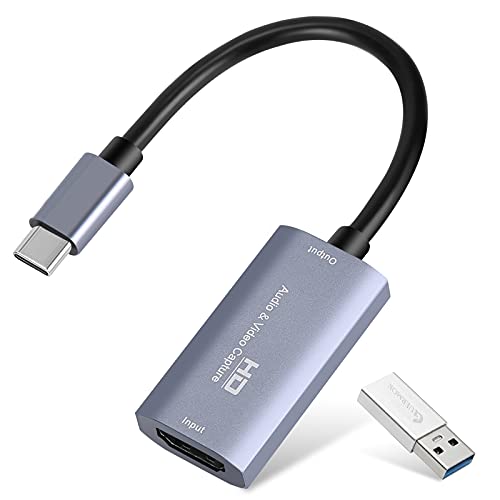
Guermok Video Capture Card, 4K USB3.0 HDMI to USB C Capture Card for Streaming, 1080P 60FPS, Compatible with iPad Mac OS Windows, Quest 3, OBS, PS5/4, Switch2/1, Xbox, Camera (Silver)
【1080P 60FPS Video Capture Card】 This HDMI game capture card is based on USB3.0 high speed transmission port,...
As an affiliate, we earn on qualifying purchases.
Frequently Asked Questions
How Can Email Surveys Improve Customer Retention Rates?
Email surveys improve your customer retention rates by gathering valuable feedback that shows you care. When customers see you’re listening, they feel more connected and valued. Use their feedback to enhance your loyalty programs, making rewards more appealing. Regular surveys also identify issues early, allowing you to address concerns promptly. This proactive approach fosters trust, encourages repeat business, and ultimately boosts long-term customer loyalty.
What Are the Best Practices for Designing Effective Email Survey Questions?
Imagine opening valuable insights with a single survey. To do that, you need question clarity—keep questions simple, direct, and focused. Use a consistent response scale to make answers comparable and easy to analyze. Avoid leading or ambiguous questions, and stay concise. By designing clear, straightforward questions with a logical flow, you’ll encourage honest responses, revealing the true voice of your customers, and ultimately shaping your marketing strategy.
How Do You Analyze Open-Ended Responses From Email Surveys?
You analyze open-ended responses by applying sentiment analysis to gauge overall customer feelings and thematic coding to identify common themes or patterns. Start by categorizing comments into positive, negative, or neutral sentiments, then pinpoint recurring topics or issues. This approach helps you understand customer emotions and priorities, enabling you to tailor your marketing strategies effectively. Regularly review and update your coding to stay aligned with evolving customer insights.
What Are Common Pitfalls to Avoid When Using Email Surveys?
Did you know that 60% of respondents experience survey fatigue, leading to lower engagement? To avoid this, keep surveys short and relevant. Watch out for response bias, which skews results if certain groups are more likely to respond. Don’t ask leading questions or send too many surveys, as these pitfalls can distort your insights and diminish customer trust. Stay concise and neutral to gather accurate, valuable feedback.
How Frequently Should Businesses Send Email Surveys to Customers?
You should send email surveys to customers every few months to maintain high survey frequency without causing fatigue. This approach balances survey frequency and customer engagement, ensuring you gather fresh insights without overwhelming your audience. Regular surveys show you value customer opinions and help inform marketing strategies. Keep surveys relevant and concise, and monitor engagement levels to adjust your survey frequency accordingly, fostering stronger customer relationships over time.

4K HDMI Capture Card USB 3.0 – 1080P 60FPS Gaming & Streaming Video Capture Card with HDMI Loop-Out, Plug & Play, Low-Latency Recording for PS5/PS4/Xbox/Switch/OBS/PC/Mac
High-Quality Video Capture, 4K HDMI Capture Card Ready:Capture smooth and vibrant video with this 4K HDMI capture card,...
As an affiliate, we earn on qualifying purchases.
Conclusion
By leveraging email surveys, you gain valuable insights directly from your customers, helping you refine your marketing strategies. Some might think surveys are time-consuming or yield little value, but when done right, they provide quick, actionable feedback that can boost your results. Don’t overlook this simple tool—embrace it to better understand your audience, improve your offerings, and ultimately, grow your business. Your customers want to be heard, so listen and act accordingly!

acer USB 3.0 Video Capture Card, HDMI Capture Card for Streaming with 4K Loop-Out & USB A/C | 1080P 60Hz HD | Video Audio Game Capture for PS5/PS4/Switch2/Xbox/Camera/PC/Mac - Black
【4K Clarity, 1080P Performance】Enjoy stunning clarity with our USB 3.0 Video Capture Card—featuring 4K input and smooth 1080P@60Hz...
As an affiliate, we earn on qualifying purchases.

Audio Express AXHDCAP 4K HDMI Video Capture Card, Cam Link Card Game Audio Adapter HDMI to USB 2.0 Record Capture Device for Streaming, Live Broadcasting, Video Conference, Teaching, Gaming
[Enhanced 4K-1080P Video Capture Experience] Capture the Magic: Elevate your video recordings to new heights with our upgraded...
As an affiliate, we earn on qualifying purchases.