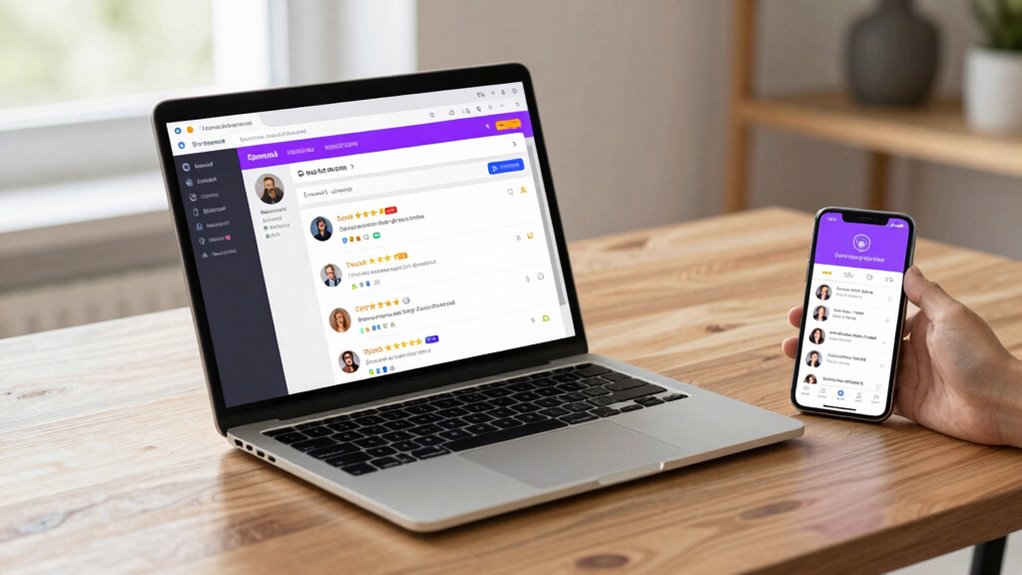

Embedding social proof directly into your email captures your audience’s attention when they’re most receptive, making it more effective. It provides immediate validation through testimonials, influencer endorsements, or trust signals, which build credibility and trust quickly. When social proof is placed at the right moment, it reduces the effort for recipients to verify your message, nudging them toward action. To discover how to harness this power for your campaigns, keep exploring the details below.
Prime for Young Adults — start your free trial
Fast free delivery, streaming and member deals for eligible 18–24 year olds.
As an affiliate, we earn on qualifying purchases.
Key Takeaways
- Email delivers social proof directly to receptive recipients at optimal moments for decision-making.
- Embedded testimonials and endorsements create immediacy and authenticity within the inbox.
- Timely social proof reduces the effort needed to seek validation elsewhere.
- Visual quality and placement in emails enhance trustworthiness and engagement.
- Combining real stories and influencer endorsements leverages psychological influence effectively.

Have you ever wondered why some emails instantly grab your attention and persuade you to take action? The secret often lies in social proof—those snippets of validation that show others have already approved of a product, service, or idea. When you see customer testimonials or influencer endorsements directly within an email, it feels more personal and credible. Instead of just reading about a product online or seeing a static ad, you get a sense that real people, just like you, have experienced positive results. That immediacy and authenticity make social proof much more compelling, especially when it’s embedded right in your inbox.
Emails that include customer testimonials serve as quick, relatable stories that resonate with you. You might see a short quote from a satisfied customer explaining how a product helped solve their problem or improved their life. Because these testimonials are often concise and specific, they create a sense of trust and familiarity. When you recognize a name or location, it feels as if someone you could potentially connect with has already vouched for the product. This kind of social proof taps into your desire for validation—you’re more likely to contemplate making a purchase or trying something new when you see someone else’s positive experience. Incorporating trust signals can further enhance the credibility of these testimonials.
Customer testimonials offer relatable stories that build trust and make products feel more familiar and credible.
Influencer endorsements, on the other hand, bring a sense of authority and trendiness. When an influencer you follow and trust recommends a product or service within an email, it feels more authentic than a generic advertisement. You see someone whose opinion you value sharing their personal experience, which can materially influence your decision-making. Influencers often have cultivated a loyal following, so their endorsement acts as a trusted recommendation rather than just promotional fluff. Seeing these endorsements in an email makes the message feel more targeted and personalized, increasing the likelihood that you’ll click through or convert.
What makes social proof work better in email is the combination of immediacy and relevance. When you receive an email with these elements, it’s right there in your inbox when you’re already engaged with your messages. You don’t have to go looking for reviews or trust signals elsewhere; they’re presented at the perfect moment, nudging you towards action. Additionally, incorporating color accuracy or contrast ratio details from projectors can enhance the perceived quality of visual content, making testimonials and endorsements appear more vivid and trustworthy. This direct placement, combined with the power of real customer stories and influencer credibility, leverages human psychology—psychological influence—making social proof in email a highly effective tool for building trust and encouraging conversions. Clear understanding of consumer behavior can help marketers craft more impactful messages that resonate deeply with their audiences. It’s a subtle, persuasive form of communication that taps into innate tendencies, making it one of the most effective strategies in digital marketing.
As an affiliate, we earn on qualifying purchases.
Frequently Asked Questions
How Can I Personalize Social Proof for Different Email Audiences?
You can personalize social proof by leveraging customer segmentation and dynamic content. Segment your email list based on demographics, purchase history, or engagement levels, then tailor social proof accordingly. Use dynamic content blocks to showcase relevant testimonials, reviews, or case studies for each segment. This approach makes your social proof more relatable, increases credibility, and boosts engagement, as recipients see proof that directly aligns with their interests and needs.
What Are the Best Types of Social Proof to Include in Emails?
Think of social proof as a spotlight on your success stories. The best types to include in emails are customer testimonials and user-generated content. These bring authenticity and trust, showing real people loving your product. Incorporate compelling quotes or photos that resonate with your audience. This visual evidence acts as a magnet, drawing your readers closer and boosting their confidence to take action.
How Often Should I Update Social Proof in My Email Campaigns?
You should update your social proof regularly, ideally every few weeks, to maintain relevance and credibility. Your timing strategy should involve syncing social proof updates with campaign cycles or seasonal events for maximum impact. Keep the social proof frequency consistent, but also monitor engagement metrics to determine if more frequent updates boost trust and conversions. This approach guarantees your audience always sees fresh, compelling testimonials and proof points.
Can Social Proof in Email Increase Unsubscribe Rates?
Yes, social proof in email can increase unsubscribe rates if it’s too pushy or irrelevant. However, when you include authentic customer testimonials and compelling case studies, it builds trust and credibility. If these elements resonate with your audience and are well-placed, they can enhance engagement rather than drive people away. Keep your social proof genuine and targeted, and you’ll likely see positive results without increasing unsubscribes.
What Metrics Best Measure Social Proof Effectiveness in Emails?
You measure social proof’s effectiveness in emails through user engagement and conversion rates. Higher open rates, click-throughs, and responses show your audience finds social proof compelling. Additionally, increased conversions indicate trust and influence. Comparing these metrics before and after adding social proof helps you see its true impact. When social proof resonates, engagement soars, and more recipients take desired actions, making your campaigns more successful.
Conclusion
So, next time you’re crafting an email, ask yourself—why not leverage social proof to boost trust and conversions? When your audience sees real people endorsing your product, it becomes harder to ignore. Moving social proof into your emails isn’t just a tactic; it’s a game-changer. Are you ready to harness its power and turn your subscribers into loyal customers? Start integrating social proof today and watch your results soar.
Fall Picks
fall essentials
As an affiliate, we earn on qualifying purchases.