Using data minimization in your email marketing helps you send more targeted and relevant messages, boosting engagement and building trust with your audience. By focusing on only necessary data, you simplify management and improve data accuracy, which makes your campaigns more effective. Plus, it guarantees you’re compliant with privacy laws and reduces risks of breaches. When you embrace this approach, you’ll discover how less data can lead to smarter, more impactful marketing efforts—it’s worth exploring further.
Key Takeaways
- Focusing on essential data enhances campaign relevance and personalization, leading to higher engagement and customer satisfaction.
- Minimizing data reduces compliance risks and simplifies management, ensuring legal adherence without overstepping privacy boundaries.
- Less data collection improves data accuracy and security, lowering the risk of breaches and misuse.
- Prioritizing core data enables more targeted, meaningful campaigns that resonate better with subscribers.
- Responsible data practices foster trust, strengthen customer relationships, and demonstrate respect for user privacy.

Have you ever wondered how much customer data your email marketing campaigns truly need? The truth is, you don’t need to collect everything to make your emails effective. In fact, embracing data minimization can lead to better results. By focusing only on the essential information, you create a more targeted, trustworthy, and compliant approach that resonates with your audience. This method isn’t about limiting your capabilities; it’s about sharpening your strategy. When you implement data minimization, you’re forced to refine your personalization strategies, ensuring each message is relevant and valuable. Instead of bombarding your subscribers with broad, generic content, you tailor your emails based on the specific data that truly matters. This not only improves engagement rates but also demonstrates respect for your customers’ privacy. Privacy regulations, like GDPR or CCPA, emphasize the importance of collecting only what’s necessary. By adhering to these rules, you avoid potential legal pitfalls and build a reputation for respecting your subscribers’ rights. When you limit data collection, you reduce the risk of data breaches or misuse, which can damage your brand’s credibility. It also simplifies your data management processes, making it easier to keep your records accurate and up-to-date. You’ll find it easier to stay compliant and respond to data access requests or deletion notices. Additionally, customers are increasingly aware of privacy issues, and they appreciate brands that prioritize their security. By adopting a minimalist data approach, you send a clear message that you respect their boundaries and value their trust. This can foster stronger relationships and boost loyalty over time. Instead of collecting excessive details just to have more information, you focus on the core data that drives your campaigns—such as purchase history, engagement metrics, or preferences. With this streamlined approach, you can create more personalized campaigns that feel genuine rather than invasive. Your emails become more relevant because they’re based on meaningful data that genuinely reflects your subscribers’ interests. Additionally, understanding projector technology can help marketers optimize visual content for campaigns. Incorporating insights from breast cancer symptoms can also help tailor health-related messaging or campaigns aimed at specific demographics. Moreover, a flat iron bike concept can inspire innovative ways to deliver content that engages users in new and exciting formats. Ultimately, data minimization isn’t about limiting your marketing potential; it’s about doing smarter, more responsible marketing. By focusing on the right data, you improve your chances of building trust, complying with privacy laws, and delivering content that truly speaks to your audience. Less can be more when it comes to email marketing—less data, more impact.

Digital Marketing: The Success Guide to Mastering Strategy, Use of AI, and Building a Profitable Customer Base
As an affiliate, we earn on qualifying purchases.
As an affiliate, we earn on qualifying purchases.
Frequently Asked Questions
How Does Data Minimization Impact Personalization Efforts?
Data minimization can actually enhance your personalization efforts by focusing on relevant, accurate data that respects customer privacy. When you collect only essential information, you improve data accuracy, leading to more targeted and meaningful emails. Customers appreciate your respect for their privacy, which builds trust and loyalty. As a result, your marketing becomes more effective, with personalized messages that truly resonate, all while maintaining compliance with privacy standards.
What Are Common Challenges in Implementing Data Minimization?
Implementing data minimization can feel like climbing Everest with a paperclip, but privacy concerns and data accuracy are common hurdles. You might struggle to identify which data is essential, risking incomplete insights. Balancing minimal data collection while maintaining accurate, useful information is tricky. You’ll need to develop clear policies and invest in accurate data management practices. Overcoming these challenges guarantees you respect user privacy without sacrificing marketing effectiveness.
Does Data Minimization Reduce Email Campaign Effectiveness?
No, data minimization doesn’t reduce your email campaign effectiveness. Instead, it addresses privacy concerns by limiting the data you collect, which builds trust with your audience. Additionally, focusing on relevant data enhances data accuracy, ensuring your messages are targeted and personalized. This approach can improve engagement rates, as your recipients see content tailored to their needs, fostering loyalty and better campaign results without compromising privacy.
How Can Businesses Ensure Compliance With Data Minimization?
You can guarantee compliance with data minimization by clearly defining your data collection scope, like a hypothetical online store collecting only essential customer info. Address privacy concerns by being transparent about why you collect data and how you’ll use it. Regularly audit your data practices, delete unnecessary information, and train staff on privacy policies. This approach not only safeguards privacy but also boosts customer trust and aligns with data protection regulations.
What Tools Support Data Minimization in Email Marketing?
You can support data minimization in email marketing with tools like customer relationship management (CRM) platforms, email marketing software, and data management solutions that prioritize user privacy and data security. These tools help you collect only essential information, guarantee secure storage, and enable targeted messaging. By leveraging such tools, you protect user privacy, reduce data security risks, and improve your overall marketing effectiveness, creating a trustworthy relationship with your audience.

Email List Building For Successful Marketing: Everything You Need to Know About Email List Strategies And Management, And How to Grow It Like a Small Country!
As an affiliate, we earn on qualifying purchases.
As an affiliate, we earn on qualifying purchases.
Conclusion
By embracing data minimization, you build trust with your audience and deliver more relevant, respectful emails. Some might think less data means less effectiveness, but you actually gain better engagement and loyalty. When you focus on quality over quantity, you create meaningful connections that last. So, don’t fear reducing your data—trust that smarter, leaner insights lead to stronger relationships and better results in your email marketing efforts.

Optimizing Email Campaigns for JVZoo Affiliates: Strategies to Maximize Sales
As an affiliate, we earn on qualifying purchases.
As an affiliate, we earn on qualifying purchases.
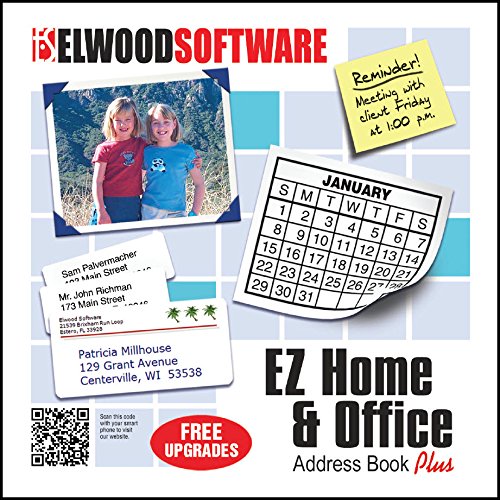
EZ Home and Office Address Book Software
Address book software for home and business (WINDOWS 11, 10, 8, 7, Vista, and XP. Not for Macs)….
As an affiliate, we earn on qualifying purchases.
As an affiliate, we earn on qualifying purchases.