
To use popups without annoying visitors, personalize them based on user behavior, location, or browsing history to create relevant experiences. Trigger popups after users engage with content or spend a certain amount of time, rather than immediately upon landing. Timing is key—show messages before exit or during engagement to reduce frustration. Combining these strategies makes popups feel helpful rather than intrusive, and if you keep exploring, you’ll discover even smarter ways to optimize their impact.

Get business pricing on office and shipping supplies
- Business-only prices and quantity discounts
- Tax-exempt purchasing
- Multiple users, one account, clear invoices
Key Takeaways
- Personalize popups based on user behavior and preferences to make them relevant and less intrusive.
- Trigger popups after visitors engage with content or spend a certain amount of time on your site.
- Use behavioral cues to display popups at moments when users are most receptive.
- Limit the frequency and avoid showing multiple popups to prevent user frustration.
- Focus on delivering value, such as discounts or helpful information, rather than generic messages.
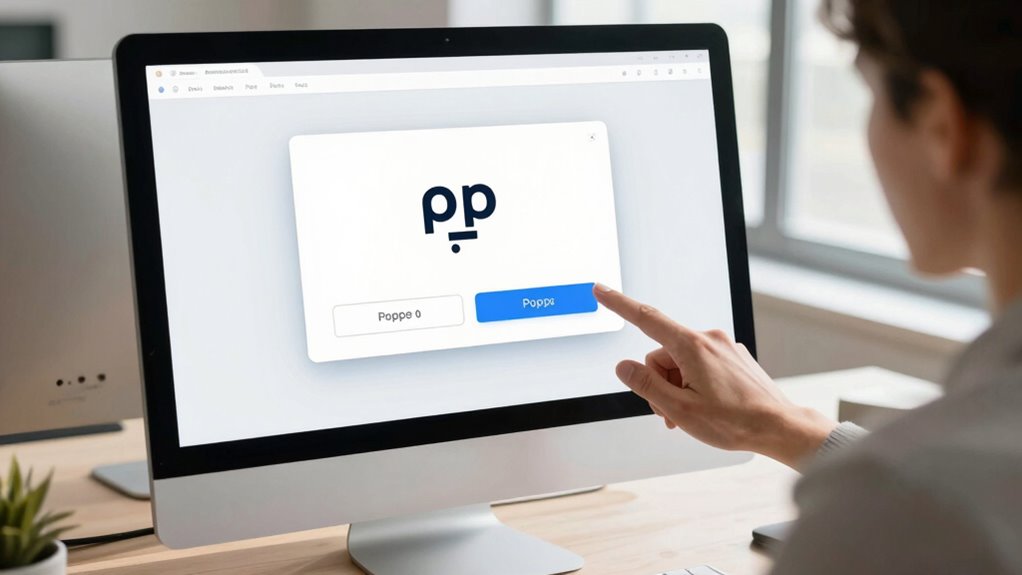
Have you ever wondered how popups can boost your website’s performance without annoying visitors? The secret lies in smart usage—particularly through personalization strategies and timing enhancement. When you tailor your popups to suit individual visitors, you create a more engaging experience that feels relevant rather than intrusive. Instead of showing a generic sign-up form to everyone, you can customize messages based on user behavior, location, or browsing history. This makes your popups more appealing and increases the likelihood of a positive response. For example, if a visitor has spent considerable time exploring certain products, your popup can offer a special discount on those items. Personalization shows you understand your audience, which builds trust and encourages interaction. Additionally, understanding the content formats that resonate with your audience can help craft more appealing and effective popups. Incorporating user engagement metrics can further optimize popup timing and relevance. Timing enhancement is equally vital. Popups that appear at the wrong moment can frustrate visitors and drive them away. You want to strike a balance—triggering popups when visitors are most receptive. For instance, instead of showing a prompt immediately upon landing on your site, wait until they’ve engaged with content or are about to leave. This could mean displaying a newsletter sign-up as they scroll through a page or after they’ve spent a certain amount of time exploring your offerings. By carefully timing your popups, you avoid interrupting the user experience and increase the chances of your message resonating. Understanding the behavioral patterns of your visitors can help you identify the most effective moments for engagement. Observing visitor interactions and adjusting your approach accordingly can lead to better results. Using analytics tools to analyze user behavior can also provide valuable insights into the best moments for popup triggers. Combining these two elements—personalization strategies and timing enhancement—can dramatically improve your popup effectiveness. Use analytics to understand user behavior and identify ideal moments for engagement. For example, if data shows that visitors tend to convert after viewing five pages, set your popups to trigger once that threshold is reached. Personalize the message based on what you know about the visitor, making the call to action feel more relevant and compelling.
personalized website popup tools
As an affiliate, we earn on qualifying purchases.
As an affiliate, we earn on qualifying purchases.
Frequently Asked Questions
How Can I Measure Popup Effectiveness Accurately?
You can measure popup effectiveness accurately by tracking engagement metrics like click-through rates, conversion rates, and bounce rates. Conduct A/B testing by creating variations of your popups to see which perform best. Analyzing these metrics helps you understand what resonates with your audience, enabling you to enhance your popups for better results. Regular testing and data review ensure you’re making informed decisions to improve overall engagement.
What Are the Best Timing Strategies for Popups?
Trigger timing substantially impacts user engagement, so testing different strategies is vital. Start popups after a user spends a certain amount of time on your site or scrolls to a specific section, ensuring they’re engaged enough to appreciate the message. Avoid immediate popups, which can frustrate visitors. Instead, use delayed triggers or exit-intent popups to catch attention at the right moment, maximizing engagement without causing annoyance.
How Do I Personalize Popups for Different Visitors?
To personalize popups effectively, use visitor segmentation to categorize your audience based on behavior, location, or preferences. Apply personalization tactics like dynamic content, tailored offers, or customized messaging that resonate with each segment. This approach makes popups more relevant, increasing engagement while minimizing annoyance. Regularly analyze data to refine your segmentation and personalization strategies, ensuring each visitor feels understood and valued, boosting conversions.
What Are Common Mistakes to Avoid With Popups?
You should avoid overusing popups, as high popup frequency annoys visitors and drives them away. Make sure your design remains consistent across all popups to build trust and professionalism. Don’t neglect targeting—show popups at the right moment, not immediately upon entry. Also, steer clear of cluttered, confusing layouts that distract or frustrate users. Instead, focus on clear, concise messaging that adds value without overwhelming your audience.
How Does Mobile Optimization Impact Popup Design?
Mobile optimization is essential for popup design because it guarantees your popups are responsive and easy to interact with on small screens. You should prioritize responsive design, so popups adapt seamlessly to different devices. Incorporate touch-friendly features like large buttons and simple gestures to enhance user experience. When done right, this approach reduces frustration, increases engagement, and prevents your popups from becoming intrusive or annoying for mobile users.
Conclusion
Think of popups as whispers in a crowded room—they can guide without overwhelming. When used wisely, they’re like signposts pointing visitors to what truly matters, not distractions. Respect their space, and you’ll build trust rather than frustration. Ultimately, the key is balance: let your popups be gentle lanterns illuminating the path, not blinding spotlights that chase others away. Master this dance, and you’ll turn a simple tool into a beacon of meaningful connection.
Halloween Picks
halloween
As an affiliate, we earn on qualifying purchases.