
To effectively tailor emails for Millennials and Gen Z, focus on authentic storytelling and transparency for Millennials, highlighting brand values and real experiences. For Gen Z, keep messages brief, playful, and visually engaging with emojis, bold headlines, and quick calls to action. Incorporate social media cues and visuals that resonate with their digital-native mindset. Personalize content to reflect individual preferences. Want to learn how to seamlessly combine these strategies? Keep exploring to discover more insights.
Key Takeaways
- Use social media cues and shareable content to engage both Millennials and Gen Z effectively.
- Incorporate vibrant visuals, videos, and GIFs to tell compelling stories tailored to each group’s preferences.
- Emphasize authenticity and transparency in messaging to build trust with Millennials, while keeping content brief and playful for Gen Z.
- Personalize emails based on past interactions for Millennials, and reflect individual identity with concise, bold messages for Gen Z.
- Maintain an authentic, conversational tone, avoiding overly promotional language to resonate with both younger audiences.

Understanding the differences between Millennials and Gen Z is essential when crafting effective emails for young audiences. These generations have distinct preferences, behaviors, and communication styles that influence how they engage with content. To capture their attention, you need to adapt your email strategies accordingly. One effective approach is leveraging social media integration; younger audiences are highly active on platforms like Instagram and TikTok, so incorporating social sharing buttons or references to trending hashtags can make your emails feel more relevant and interactive. This not only boosts engagement but also encourages recipients to share your message within their networks, amplifying your reach.
Additionally, visual storytelling plays a crucial role in resonating with Millennials and Gen Z. These generations respond well to images, videos, and dynamic visuals that tell a compelling story without relying solely on text. Incorporate eye-catching graphics, short videos, or GIFs to make your message more engaging and memorable. Visuals should complement your narrative, helping convey your brand personality or product benefits quickly and effectively. This approach is especially critical since younger audiences tend to scan emails rather than read every word carefully.
When tailoring emails for Millennials, focus on authenticity and value-driven content. They appreciate brands that align with their values and are transparent about their mission. Use storytelling techniques that highlight real-life experiences or customer testimonials, making your message more relatable. For Gen Z, prioritize brevity and immediacy. This group prefers quick, digestible content that gets straight to the point. Use concise language, bold headlines, and clear calls to action. Incorporate emojis or playful visuals when appropriate to add a fun, casual tone that resonates with their digital-native attitude.
Both generations value personalization, but the way you deliver it differs. Millennials respond well to personalized recommendations based on their past interactions, while Gen Z expects brands to understand their individual identity and preferences. Use data to customize your email content, but keep the tone authentic and conversational. Remember, these young audiences are savvy and can detect insincerity, so avoid overly promotional language. Recognizing the importance of content design can significantly enhance engagement with these audiences.

AOCHUAN Auto Face Tracking Tripod 360 Rotation w/RGB Light,Single-axis Phone Gimbal for iPhone Android w/Remote Control,Phone Stand Follow You for Video Recording,TikTok Vlogging(M2Pro Black)
【4-in-1 Phone Tripod】Aochuan single-axis gimbal smart M2 Pro is a multifunctional single-axis gimbal for iPhone, which can achieve...
As an affiliate, we earn on qualifying purchases.
Frequently Asked Questions
How Do Millennials and Gen Z Prefer Mobile Email Formats?
You should prioritize mobile design when crafting emails for millennials and Gen Z, as they prefer seamless, easy-to-read formats on their devices. Keep email length concise—short paragraphs and clear calls-to-action work best—so they can quickly engage without scrolling. Use responsive layouts that adapt to various screen sizes, ensuring your message is visually appealing and accessible, encouraging them to open, read, and act on your emails.
What Tone Resonates Best With Each Generation?
Think of your email tone as a bridge connecting you to your audience’s world. For Millennials, a friendly, relatable voice with a sprinkle of generational humor and strategic emoji usage makes your message feel like a chat over coffee. With Gen Z, keep it authentic, playful, and concise, using emojis sparingly to highlight key points. Engage them with genuine, lighthearted language that feels like a quick, fun text from a friend.
How Can Personalization Increase Engagement for Both Groups?
Personalization strategies boost engagement by making your emails feel relevant and tailored to each recipient. You can use their name, past interactions, or preferences to craft compelling content. Tracking engagement metrics helps you refine these strategies, ensuring your messages resonate. When you personalize effectively, both Millennials and Gen Z are more likely to open, click, and respond, strengthening your connection and increasing overall campaign success.
Are There Specific Times to Send Emails to Millennials Versus Gen Z?
You’ll want to hit their inboxes during the Ideal Timing and Engagement Windows for each group. For Millennials, send emails mid-morning or early evening when they’re most likely to check their devices. For Gen Z, late afternoon or early evening works better, as they’re already engaged with their screens. By aligning your timing precisely, you reveal the secret to maximizing open rates and boosting engagement like never before.
What Types of Visuals Appeal Most to Each Demographic?
You should use vibrant visuals and engaging imagery that tell a story, as both demographics appreciate visual storytelling. Millennials prefer polished, professional images, while Gen Z responds well to meme integration and more casual, relatable visuals. Incorporate humor and cultural references to catch their attention. Keep visuals dynamic and authentic to resonate with each group, making your emails more memorable and engaging for both audiences.
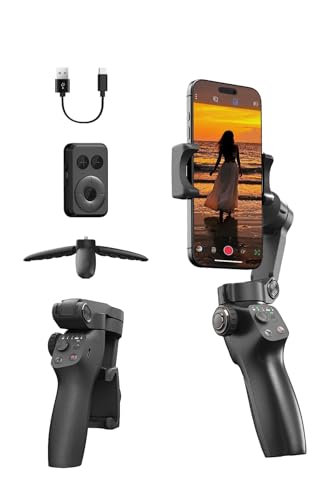
FUNSNAP CM8 Gimbal Stabilizer for iPhone Android, 3-Axis Phone Gimbal with Remote Control Portable Foldable, Phone Stabilizer for Video Recording for Tiktok YouTube Vlog
[Powerful Gimbal Stabilizer for Smartphones] Featuring improved 3-axis stabilization, this phone gimbal guarantees stable and shake-free footage, even...
As an affiliate, we earn on qualifying purchases.
Conclusion
Understanding the differences between Millennials and Gen Z helps you craft emails that truly resonate. For example, 72% of Gen Z prefers personalized content that feels authentic. By tailoring your messages with genuine tone and relevant offers, you’ll connect more deeply and boost engagement. Remember, when you speak to their values and interests, you’re not just sending an email—you’re building trust and loyalty with the next generation of consumers.

Smartphone Gimbal Stabilizer, 1-Axis Auto Balance & 360° Rotation, Extendable Aluminum Selfie Stick Tripod with Remote Control for iPhone & Android,Travel, Vlogging, TikTok, YouTube
Superior Image Stabilization – Equipped with a built-in sports gyroscope, this 1-Axis gimbal stabilizer reduces hand shake and...
As an affiliate, we earn on qualifying purchases.

AOCHUAN Gimbal Stabilizer for Smartphone, 4 in 1 Phone Gimbal w/360° Rotation for iPhone/Andriod Sefie Stick Tripod w/Auto Face Tracking and Wireless Remote for TIK Tok YouTube Vlogging-M1 Pro Black
AI Vision Sensor: M1 Pro phone gimbal has a built-in AI sensor that can automatically identifies and follows...
As an affiliate, we earn on qualifying purchases.