Ignoring list hygiene for too long can severely hurt your email marketing efforts. You’ll experience lower deliverability, higher bounce rates, and damage to your sender reputation, which may lead to blacklisting. Engaging with outdated or uninterested contacts drops your open and click-through rates, making your campaigns less effective and more costly. Over time, this neglect can limit your ability to reach your audience and build trust. If you want to avoid these pitfalls, there’s more to uncover ahead.
Key Takeaways
- Declining deliverability leads to fewer messages reaching customers, reducing overall campaign effectiveness.
- Poor list hygiene damages sender reputation, increasing the risk of blacklisting and email throttling.
- Ignoring list updates raises bounce rates and costs with email service providers.
- Low engagement signals spam filters, further decreasing inbox placement over time.
- Long-term neglect hampers customer relationships and diminishes marketing ROI.
If you ignore list hygiene, you risk damaging your email marketing efforts more than you realize. Over time, neglecting to keep your email list clean can severely impact your email deliverability, making it harder for your messages to reach your audience’s inboxes. When your list becomes cluttered with invalid addresses, spam traps, or unengaged contacts, email providers start to view your campaigns as less trustworthy. This not only decreases your open rates but also increases the chances of your emails landing in spam folders. As a result, your ability to connect with your audience diminishes, and your overall campaign performance suffers.
Neglecting list hygiene harms deliverability, trust, and campaign success by cluttering inboxes with invalid and unengaged contacts.
Customer engagement takes a hit when your list isn’t properly maintained. When you send emails to outdated or uninterested contacts, you risk frustrating your recipients and damaging your sender reputation. Low engagement metrics, such as opens and clicks, become common, signaling to email providers that your content isn’t valuable. This triggers spam filters, further reducing your chances of successful delivery. Over time, the decline in engagement creates a vicious cycle: fewer opens lead to fewer interactions, which then leads to even lower deliverability rates. If you don’t take steps to clean your list, you’ll find that the effectiveness of your marketing efforts diminishes dramatically. Additionally, maintaining list hygiene helps ensure your audience remains engaged and receptive to your messages. Regularly updating your email list also helps you avoid high bounce rates**, which can damage your sender reputation and increase costs**.
Neglecting to segment your audience can lead to irrelevant messaging that decreases engagement and wastes resources, further emphasizing the importance of list hygiene. The more you neglect to update and clean your list, the more your marketing efforts become a shot in the dark rather than a strategic approach focused on meaningful interactions. Incorporating content relevance through proper segmentation can significantly boost your open and click-through rates, reinforcing the importance of maintaining a clean and well-organized list. Moreover, fostering a healthy list through data accuracy ensures your campaigns are based on reliable information, maximizing your marketing ROI.
Furthermore, the costs associated with poor list hygiene can accumulate quickly. You may face higher bounce rates, which can lead to increased costs from your email service provider. A damaged sender reputation can also result in being blacklisted or throttled, making future campaigns even less effective. All these factors combined mean that the long-term consequences of ignoring list hygiene aren’t just about poor campaign metrics — they threaten your entire email marketing strategy. To maintain healthy email deliverability and foster genuine customer engagement, you need to prioritize regular list cleaning and segmentation. Neglecting this vital task will only undermine your efforts and limit your ability to build lasting relationships with your audience.
email list cleaning software
As an affiliate, we earn on qualifying purchases.
As an affiliate, we earn on qualifying purchases.
Frequently Asked Questions
How Often Should I Clean My Email List?
You should clean your email list at least every three to six months to maintain subscriber engagement and improve email segmentation. Regularly removing inactive or invalid addresses prevents deliverability issues and keeps your metrics healthy. By staying on top of list hygiene, you guarantee your emails reach engaged subscribers, boosting open rates and conversions. Consistent cleaning helps you target the right audience effectively, saving you time and resources in the long run.
What Tools Can Help Maintain List Hygiene Effectively?
Did you know that 47% of email recipients open emails based on the sender’s name and subject line? To maintain list hygiene effectively, use tools like Mailchimp, Constant Contact, or Sendinblue. These platforms support segmentation strategies and personalization tactics, helping you target engaged subscribers. Regularly cleaning your list with these tools improves deliverability and engagement, ensuring your emails reach the right audience and maximize your marketing efforts.
Can Ignoring List Hygiene Impact My Sender Reputation?
Ignoring list hygiene can severely impact your sender reputation. When you neglect cleaning your list, you risk hitting spam traps and sending emails to inactive addresses. Low engagement metrics, like opens and clicks, signal to email providers that you’re a spammer, which damages your reputation. Over time, this leads to higher bounce rates and deliverability issues, making it harder for your genuine emails to reach your audience.
What Are Signs My Email List Needs Cleaning?
You notice declining open rates and increased bounce rates, signaling your email list needs cleaning. For example, a retailer saw engagement metrics plummet after neglecting segmentation strategies, leading to more spam complaints. If your engagement metrics stagnate or drop, it’s time to review your list. Regularly updating your list helps improve deliverability, and targeted segmentation keeps your content relevant, encouraging better interaction from your subscribers.
How Does List Hygiene Affect Email Marketing ROI?
List hygiene directly impacts your email marketing ROI by enabling better segmentation strategies and personalization techniques. When your list stays pristine, you reach engaged subscribers, increasing open rates and conversions. Poor list hygiene leads to higher bounce rates and spam complaints, reducing deliverability. Regularly cleaning your list guarantees your messages resonate with the right audience, maximizing engagement, and ultimately boosting your ROI through more effective, targeted campaigns.

Email Verifier – Email Verification Tool
Email Verification
As an affiliate, we earn on qualifying purchases.
As an affiliate, we earn on qualifying purchases.
Conclusion
Ignoring list hygiene can cost you more than you think—like losing 25% of your audience due to outdated or incorrect contacts. When your list isn’t clean, your emails are more likely to bounce or be ignored, wasting your time and money. Regularly updating and verifying your contacts isn’t just good practice; it’s essential for growth. Keep your list healthy, and you’ll see better engagement and higher ROI, saving you from costly mistakes down the line.
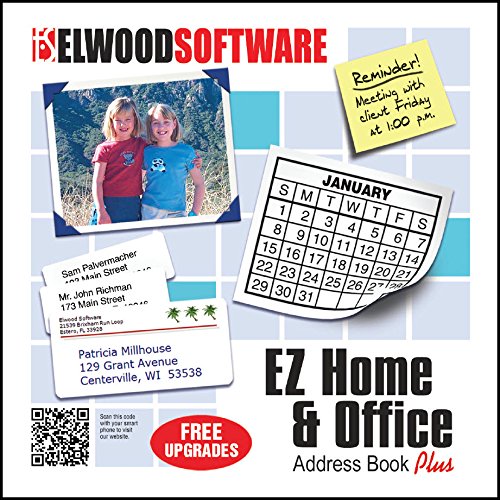
EZ Home and Office Address Book Software
Address book software for home and business (WINDOWS 11, 10, 8, 7, Vista, and XP. Not for Macs)….
As an affiliate, we earn on qualifying purchases.
As an affiliate, we earn on qualifying purchases.
bounce management email tools
As an affiliate, we earn on qualifying purchases.
As an affiliate, we earn on qualifying purchases.