
To minimise follow-ups and avoid contact fatigue, focus on strategic timing and personalization. For warm leads, follow up within a few days, while colder prospects may need a week or more between messages. Keep your outreach relevant and purposeful to increase responses. Avoid excessive reminders to prevent fatigue and guarantee your messages remain impactful. If you want to learn how to fine-tune your approach, there’s more to discover below.
Key Takeaways
- Tailor follow-up frequency based on the prospect’s engagement level and relationship stage.
- Send initial follow-ups within a few days, spacing subsequent emails a week or more apart.
- Personalize messages to increase relevance and reduce unnecessary outreach.
- Use data like open and response rates to refine timing and avoid over-messaging.
- Focus on strategic, purposeful follow-ups that add value rather than excessive reminders.

Follow-ups can often feel like necessary but time-consuming tasks that disrupt your workflow. You know how important they are for maintaining connections and closing deals, but sending endless reminders can drain your energy and dilute your message. To make follow-ups more effective and less burdensome, you need to focus on the right balance—finding an ideal frequency that keeps you top of mind without overwhelming your contacts. This is where personalization strategies and timing optimization come into play.
Effective follow-ups balance persistence with personalization to maintain connections without overwhelming contacts.
Personalization strategies are vital because they help you craft follow-up messages that resonate. Instead of sending generic, repetitive emails, tailor each message to reflect previous conversations, specific needs, or recent updates. When your prospects see that you understand their situation, they’re more likely to respond positively, reducing the need for multiple follow-ups. Personalization also involves adjusting your tone and content based on the recipient’s engagement level. For example, if someone hasn’t responded after a week, your follow-up might highlight a new benefit or ask a direct question to reignite their interest. This targeted approach minimizes unnecessary outreach and maximizes the impact of each message.
Timing optimization is equally important. Sending follow-ups too frequently can annoy your contacts and lead to burnout, while waiting too long risks losing their interest altogether. To strike the right balance, you should consider the nature of your relationship and the context of your outreach. For initial contacts or warm leads, a follow-up within a few days is often appropriate. For colder prospects or less urgent matters, spacing out your emails to a week or more can be more effective. Use data and insights to refine your approach—monitor open rates, response times, and engagement levels to determine the ideal intervals. Automation tools can assist here, allowing you to set intelligent reminders that adjust based on recipient behavior, thereby enhancing timing optimization.
In addition, being aware of the importance of consistent and appropriate communication frequency can help prevent contact fatigue and improve your outreach success. Combining personalization strategies with timing optimization makes your follow-ups less intrusive and more impactful. When each message feels relevant and is sent at a strategic moment, you reduce the need for excessive outreach while increasing your chances of a response. Remember, the goal isn’t just to follow up frequently but to do so thoughtfully and purposefully. By honing your approach with these principles, you’ll save time, build stronger relationships, and ultimately, close more deals with less effort. Keep testing and adjusting your outreach cadence until you discover the rhythm that works best for your audience—less is often more when it’s done right.

Tenveo 4K PTZ Conference Room Camera System, AI Auto-Tracking 12X Optical Zoom USB3.0 HDMI PTZ Camera and Bluetooth Speakerphone with 2 Expansion Mics Kit Wide Angle for Large Room Meetings
⚡️【𝐒𝐭𝐮𝐧𝐧𝐢𝐧𝐠 𝟒𝐊 𝐕𝐢𝐬𝐮𝐚𝐥𝐬 & 𝐖𝐢𝐝𝐞 𝐀𝐧𝐠𝐥𝐞 𝐋𝐞𝐧𝐬】Tenveo 4K PTZ Camera Bundle Video Conferencing System features an advanced 1/2.8-inch...
As an affiliate, we earn on qualifying purchases.
Frequently Asked Questions
How Do I Personalize Outreach Emails Effectively?
To personalize outreach emails effectively, start with strong personalization techniques like using the recipient’s name and referencing their specific interests or recent activities. Focus on email customization by tailoring your message to address their unique needs, rather than sending generic content. You can also include relevant details about their industry or challenges, making your message more engaging. This approach shows you’ve put effort into understanding them, increasing your chances of a positive response.
What Metrics Indicate a Successful Outreach Campaign?
You gauge a successful outreach campaign through email engagement and response rate. If your emails get opened, clicked, and lead to conversations, you’re on the right track. A high response rate shows your message resonates with your audience. Track these metrics consistently to refine your strategy, ensuring your outreach remains effective and not overwhelming. Focus on engagement to keep your campaign impactful and drive meaningful connections.
How Can I Avoid Being Marked as Spam?
Imagine your email as a friendly neighbor, not a noisy spam filter. To avoid being marked as spam, craft clear, personalized email subject lines that spark curiosity without sounding salesy. Use genuine language, avoid excessive punctuation or all caps, and include an unsubscribe link. By respecting spam filters and focusing on relevance, you guarantee your message reaches your audience, not the junk folder.
What Are Alternative Follow-Up Strategies Besides Email?
You can try cold calling or social media outreach as alternative follow-up strategies. Cold calling allows you to have direct conversations, building rapport quickly. Social media outreach helps you connect in a more casual, engaging way, increasing your chances of a response. Both methods complement email efforts and reduce the risk of being marked as spam, giving you multiple touchpoints to nurture your leads effectively.
How Does Industry Type Influence Outreach Frequency?
Your outreach frequency should align with industry-specific timing and sector engagement patterns. For example, tech sectors may respond well to shorter intervals, while B2B industries might require longer gaps to avoid overwhelming prospects. By understanding these nuances, you can tailor your outreach cadence, ensuring your messages stay relevant and respectful of industry norms. Adjust your timing based on sector behaviors to maximize engagement and build stronger connections.

TONGVEO All-in-One Conference Room Video Camera System Al Auto-Tracking HD1080P 60fps 3X Optical Zoom USB3.0 HDMI PTZ Camera and Bluetooth Conference Speakerphone with Microphones
✈【All-in-1 video and audio conferencing solution】TONGVEO conference room camera system contains HD 1080p HDMI Al Auto-Tracking PTZ camera...
As an affiliate, we earn on qualifying purchases.
Conclusion
To keep your outreach emails effective, aim for a balanced follow-up schedule—typically 2 to 3 messages. Did you know that 80% of sales require five follow-ups, but 44% of reps give up after just one? Staying persistent without overwhelming your prospects can boost your chances of success. Remember, timing is key—find that sweet spot to stay top of mind without crossing the line into annoyance. Keep it strategic, and you’ll see better results!
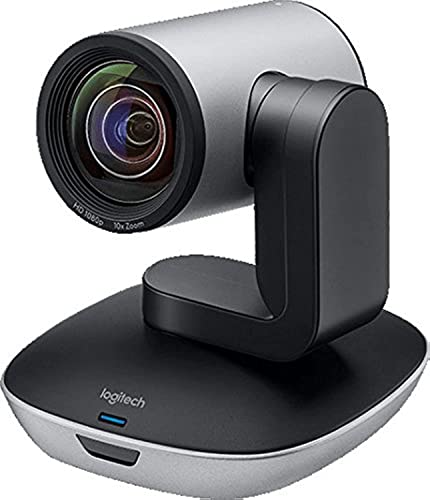
Logitech PTZ Pro 2 Camera – USB HD 1080P Video Camera for Conference Rooms
Ideal for conference rooms, training environments, large events and other Professional video applications
As an affiliate, we earn on qualifying purchases.

20x Zoom Conference Room Camera System TONGVEO All-in-1 Video and Audio Conferencing System 20X Optical Zoom USB3.0 HDMI PTZ Camera and Conference speaker with microphone Bundle for large Meeting Room
✈【20x Zoom Conference room Camera system】TONGVEO All-in-one Conference room camera system consists 20x optical Zoom HDMI PTZ camera...
As an affiliate, we earn on qualifying purchases.