
Good DNS hygiene is vital because it directly affects your organization’s security, reputation, and operations. If you neglect proper management, outdated or incorrect records can lead to website outages, email deliverability issues, or cyber attacks. Cybercriminals often exploit poor DNS practices to hijack domains or redirect traffic. By maintaining clean, accurate DNS records, you can prevent these risks and guarantee smooth, secure online functioning—if you keep exploring, you’ll see how much more it impacts your success.

Get business pricing on office and shipping supplies
- Business-only prices and quantity discounts
- Tax-exempt purchasing
- Multiple users, one account, clear invoices
Key Takeaways
- Proper DNS hygiene ensures high email deliverability by preventing messages from being flagged as spam.
- Regular DNS management reduces website downtime and guards against cyberattacks like DNS hijacking.
- Maintaining accurate DNS records is crucial for compliance and strengthens overall cybersecurity posture.
- Outdated or cluttered DNS records increase troubleshooting time and operational inefficiencies.
- Neglecting DNS hygiene can damage domain reputation, leading to loss of trust and long-term organizational impact.
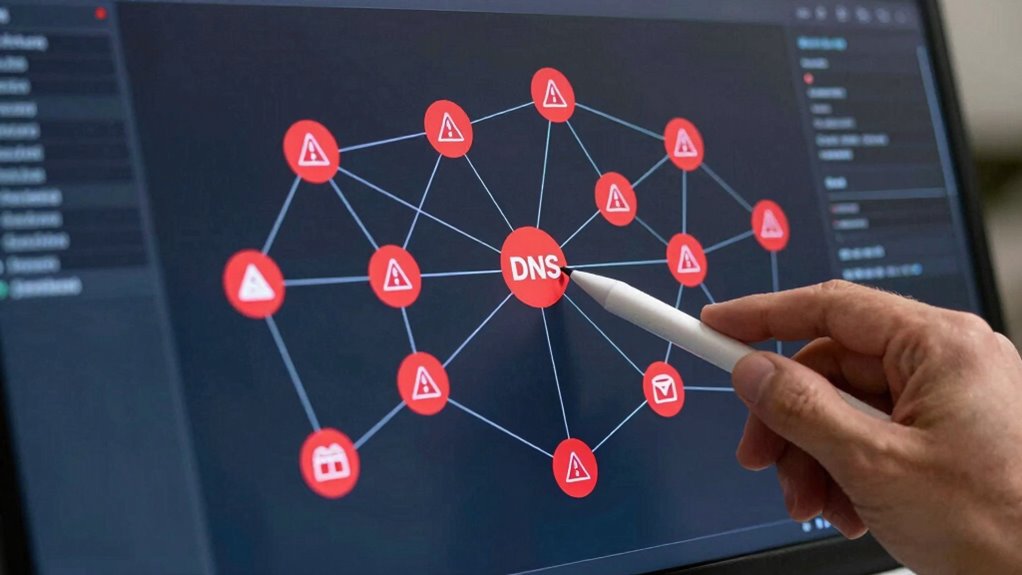
Maintaining good DNS hygiene is essential for protecting your organization from cyber threats and ensuring reliable online operations. When your DNS records are well-managed, it safeguards your domain reputation, which directly impacts how your business is perceived online. A strong domain reputation means email servers recognize your messages as legitimate, leading to better email deliverability. If your DNS records become cluttered or outdated, it can cause your emails to be flagged as spam or blocked altogether, hampering communication with clients and partners. This can hurt your credibility and disrupt critical workflows.
Good DNS hygiene isn’t just about avoiding spam filters; it’s about preserving trust with your audience. When your domain reputation is pristine, your emails land in inboxes rather than junk folders. This is especially important if you rely on email marketing or transactional messages to drive sales or serve your customers. Poor DNS setup, such as incorrect SPF, DKIM, or DMARC records, can signal to spam filters that your emails are suspicious, reducing your overall email deliverability. Over time, this can damage your reputation and make it harder for your messages to be reach the recipients.
Beyond email, DNS hygiene impacts your website’s availability and security. Outdated or misconfigured DNS records can lead to website downtime, which frustrates visitors and erodes trust. Cybercriminals often exploit DNS misconfigurations to launch attacks like DNS hijacking or cache poisoning, which can redirect your traffic or steal sensitive information. Regularly reviewing and updating your DNS records ensures they align with your current infrastructure and security standards, reducing vulnerabilities. Additionally, proper DNS management plays a vital role in maintaining compliance with security policies and industry standards. Implementing automatic DNS record updates can further reduce the risk of human error and keep your records accurate. Incorporating security best practices such as DNSSEC can also help prevent malicious activities and protect your domain’s integrity. Moreover, understanding the importance of domain reputation can motivate proactive DNS maintenance to avoid long-term issues. Being aware of the role of DNS in cybersecurity**** emphasizes the importance of diligent management and secure configurations.
Keeping your DNS records accurate and current also means you’re less likely to fall victim to malicious activities. For example, removing stale records prevents hackers from exploiting outdated information to impersonate your domain or redirect your traffic. It also helps your IT team troubleshoot issues faster, minimizing downtime and service disruptions. Consistent DNS hygiene supports compliance with security policies and improves overall operational resilience.
In essence, neglecting DNS hygiene can have far-reaching consequences, from damaging your domain reputation to disrupting email deliverability and website availability. It’s a foundational aspect of cybersecurity and digital reputation management that often goes unnoticed until problems arise. By proactively maintaining your DNS records, you ensure smoother communication, better security, and a more trustworthy online presence. In today’s digital landscape, good DNS hygiene isn’t just technical housekeeping—it’s a critical component of your organization’s stability and growth.
As an affiliate, we earn on qualifying purchases.
Frequently Asked Questions
How Often Should DNS Hygiene Be Reviewed and Updated?
You should review and update DNS hygiene regularly—at least quarterly—to guarantee ideal DNS record optimization and domain validation. Frequent checks help catch outdated or incorrect records, preventing security risks and delivery issues. By maintaining consistent DNS hygiene, you reduce vulnerabilities and improve email deliverability. Stay proactive, especially after changes in your infrastructure, to keep your domain secure and fully validated. Regular updates are key to effective DNS management.
Can Poor DNS Hygiene Affect Email Deliverability?
Poor DNS hygiene can seriously impact your email deliverability, much like a clogged filter blocks clean water. If your DNS records aren’t properly maintained, email authentication methods like SPF, DKIM, and DMARC falter, making your emails look suspicious. This hampers spam prevention and causes your messages to land in spam folders or get blocked altogether. Maintaining your DNS cleanly ensures your emails authenticate correctly, reaching your audience efficiently and securely.
What Are Common Signs of DNS Misconfiguration?
You’ll notice signs of DNS misconfiguration through issues like inconsistent email delivery, slow website access, or frequent connection errors. These problems can harm your domain reputation and disrupt protocol consistency, making it harder for users and servers to trust your domain. Keep an eye on DNS records, verify proper setup, and regularly check for errors to maintain a healthy, reliable online presence.
How Does DNS Hygiene Impact Overall Cybersecurity?
Good DNS hygiene greatly enhances your cybersecurity by protecting your domain reputation and preventing malware. When you maintain clean DNS records, you reduce the risk of malicious actors exploiting vulnerabilities, which helps keep your network safe. Proper DNS management ensures reliable connections, minimizes downtime, and stops threats before they spread. Essentially, a healthy DNS setup acts as a frontline defense, safeguarding your digital assets and maintaining trust with users and clients.
Are There Automated Tools to Improve DNS Hygiene?
Yes, there are automated tools that can improve your DNS hygiene. These tools help optimize DNS records and monitor your domain reputation, reducing the risk of malicious attacks or blacklisting. By automatically scanning for misconfigurations, outdated entries, or suspicious activity, they guarantee your DNS records stay accurate and secure. This proactive approach helps maintain your domain’s integrity, improves deliverability, and strengthens your overall cybersecurity posture effortlessly.
Conclusion
Think of your DNS hygiene as tending a garden; neglect it, and weeds—like spam and malware—will overrun your digital landscape. When you stay vigilant, pruning and nurturing your DNS, your network remains healthy and resilient. Just as a well-kept garden blooms beautifully, a clean DNS keeps your online presence safe and thriving. Don’t let your digital garden become overgrown—regular care guarantees it stays vibrant, secure, and ready to flourish.
Fall Picks
fall essentials
As an affiliate, we earn on qualifying purchases.