Segmenting test results by audience demographics helps you discover which groups respond best to your campaigns. By analyzing responses based on age, gender, location, or interests, you can tailor your messaging and offers to match each segment’s preferences. This targeted approach increases engagement and conversions while saving resources. Understanding these nuances allows you to refine your strategies over time, so continue exploring to reveal even deeper insights and improve your marketing effectiveness.
Key Takeaways
- Demographic segmentation reveals which audience groups respond best to specific test variants.
- Analyzing results by age, gender, or location helps tailor targeted marketing strategies.
- Segmenting data verifies assumptions about audience preferences and behavior patterns.
- It allows for identifying underperforming segments and optimizing resource allocation.
- Demographic insights support iterative testing and proactive adjustments to improve campaign effectiveness.
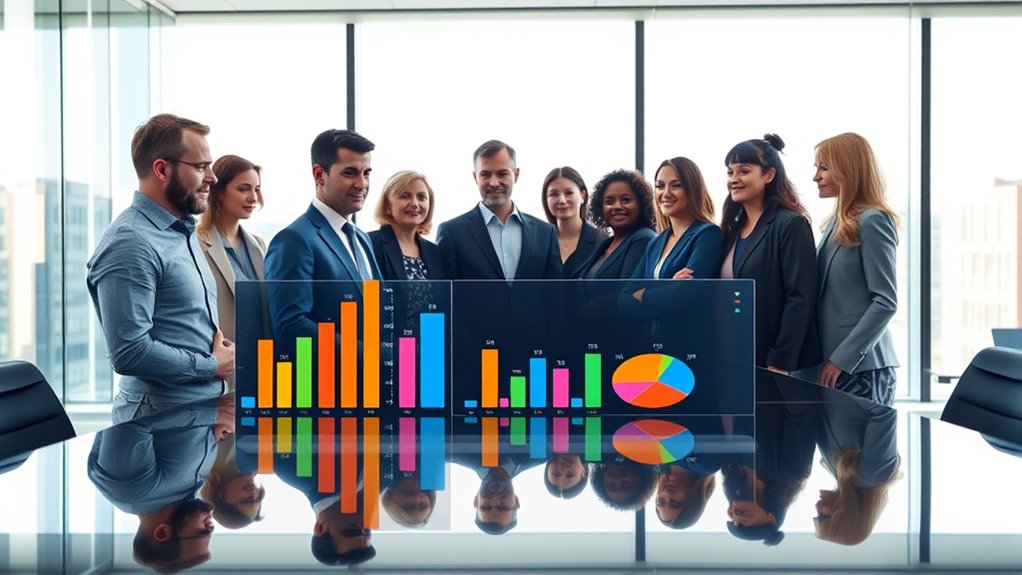
Understanding how different audience demographics respond to your tests can markedly enhance your marketing strategies. When you analyze test results through the lens of demographic insights, you gain a clearer picture of which segments are most receptive to your messaging, offers, or content. Audience segmentation becomes a powerful tool in this process, allowing you to break down your data into meaningful groups based on age, gender, location, income level, or other relevant factors. This segmentation helps you identify patterns and preferences that might be hidden when looking at aggregated data. By tailoring your efforts to these specific segments, you increase the chances of resonating with your audience and driving conversions.
Analyzing demographic responses helps tailor strategies, revealing hidden patterns and increasing engagement through targeted segmentation.
When you focus on demographic insights, you start to see distinct differences in how various groups respond to your tests. For example, younger audiences might favor visual content and quick interactions, while older segments could prefer detailed information and straightforward messaging. Recognizing these nuances enables you to design more targeted campaigns, avoiding a one-size-fits-all approach. Instead of wasting resources on broad strategies that don’t appeal to everyone, you refine your tactics based on what each demographic prefers. This precision makes your marketing efforts more efficient and effective.
Audience segmentation also allows you to test specific hypotheses about your audience’s behavior. Suppose you suspect that a particular age group is more likely to convert with a certain type of offer. By segmenting your test results, you can verify whether this assumption holds true. If it does, you can allocate more budget and focus toward that segment, maximizing your ROI. Conversely, if the data shows that a segment isn’t responding well, you can pivot your strategy and avoid wasting resources on ineffective messaging. This iterative process of testing, analyzing, and refining is essential to optimizing your campaigns over time.
Moreover, understanding demographic insights helps you anticipate future trends and shifts within your audience. As demographics evolve, so do their preferences and behaviors. Staying attuned to these changes allows you to adapt your tests proactively rather than reactively. You can develop more personalized experiences that meet your audience’s current needs, thereby strengthening brand loyalty and engagement. When you leverage audience segmentation effectively, you’re not just reacting to data—you’re proactively shaping your marketing strategies around the evolving landscape of your audience. Additionally, incorporating insights from juice cleansing and detox trends can help you tailor health-related content to specific demographic groups, increasing relevance and engagement.

acer USB 3.0 Video Capture Card, HDMI Capture Card for Streaming with 4K Loop-Out & USB A/C | 1080P 60Hz HD | Video Audio Game Capture for PS5/PS4/Switch2/Xbox/Camera/PC/Mac - Black
【4K Clarity, 1080P Performance】Enjoy stunning clarity with our USB 3.0 Video Capture Card—featuring 4K input and smooth 1080P@60Hz...
As an affiliate, we earn on qualifying purchases.
Frequently Asked Questions
How Do Demographics Influence Test Result Interpretations?
Demographics influence your test result interpretations by highlighting demographic biases that might skew data. When you segment results by audience demographics, you improve segmentation accuracy, ensuring you’re analyzing specific groups effectively. This helps you identify patterns unique to particular demographics, avoiding misleading conclusions caused by broad assumptions. By understanding how demographics impact results, you can tailor strategies better and make data-driven decisions that resonate with your targeted audiences.
What Tools Are Best for Demographic Segmentation?
You should use tools like Google Analytics, Tableau, or Power BI for demographic profiling and audience analysis. These platforms allow you to easily segment test results based on age, gender, location, and other demographics. By leveraging their features, you can identify patterns and insights tailored to specific audience segments, helping you refine your strategies and improve overall performance through targeted analysis.
Can Demographic Segmentation Improve Marketing ROI?
Did you know that companies using demographic segmentation see up to 10% higher marketing ROI? By understanding consumer behavior and cultural differences, you can target your audience more precisely. This approach helps you craft tailored messages, increasing engagement and conversions. So, yes, demographic segmentation can markedly improve your marketing ROI, making your campaigns more effective and cost-efficient by resonating better with your diverse audience.
How to Handle Privacy Concerns in Demographic Data Collection?
You should handle privacy concerns by anonymizing data to protect individual identities and implementing robust consent management systems. Always guarantee you clearly inform your audience about data collection and obtain explicit consent before gathering demographic information. Regularly review your privacy policies, stay compliant with regulations, and give users control over their data. These steps build trust, safeguard privacy, and make your demographic segmentation ethically responsible.
What Are Common Pitfalls in Demographic Segmentation?
You should watch out for demographic biases that can skew your results, leading you to draw false conclusions. Relying on inaccurate data can also undermine your segmentation efforts, making your insights less reliable. To avoid these pitfalls, verify your data collection methods are unbiased and accurate, and regularly review your demographic categories for relevance. This way, your segmentation stays meaningful and helps you make better, data-driven decisions.

Capture Card, 4K HDMI Capture Card for Streaming, Full HD 1080P 60FPS USB3.0 Cam Link Game Audio Video Capture Device Works with Nintendo Switch/Xbox/PS4/PS5/OBS/Camera/PC(Black)
【1080P HD High Quality】Capture resolution up to 1080p for video source and it is ideal for all HDMI...
As an affiliate, we earn on qualifying purchases.
Conclusion
By analyzing test results through the lens of audience demographics, you uncover valuable insights that drive better decisions. For example, did you know that 65% of younger audiences respond more positively to visual content? This highlights the importance of tailoring your strategies to different groups. When you segment effectively, you guarantee your messaging resonates, boosting engagement and success. So, keep exploring demographics—your results will become more targeted and impactful.
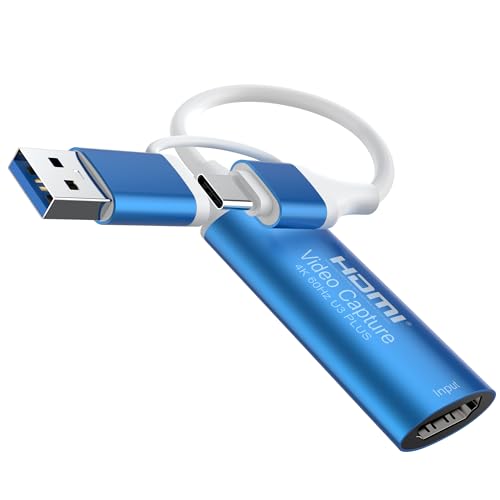
Dbilida HDMI Video Capture Card 4K 60Hz Output, HDMI to USB 3.0 A and USB C Capture Card for Camera/Xbox/PS5/4/PC/OBS/Switch 2
4K60Hz HDMI Input: Capture ultra-clear 4K video (4096x2160@60Hz YCbCr420) from consoles, cameras, or PCs. Supports 24/30/36-bit Deep Color...
As an affiliate, we earn on qualifying purchases.
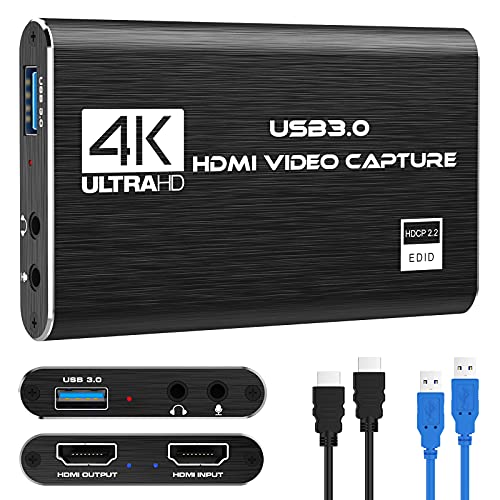
Capture Card Nintendo Switch, 4K HDMI Video Capture Card, 1080P 60FPS, HDMI to USB 3.0 Capture Card for Streaming Work with Camera/Xbox/PS4/PS5/PC/OBS
【1080P HD High Quality】Capture resolution up to 1080p for video source and it is ideal for all HDMI...
As an affiliate, we earn on qualifying purchases.