
To create dynamic segments based on engagement levels, monitor key metrics like email opens, click-throughs, website activity, and social interactions. Use this data to classify users into groups such as highly engaged, moderately engaged, or inactive, and update these segments in real time as behaviors change. Tailor your campaigns accordingly—offer incentives to re-engage less active users or exclusive content to loyal ones. Keep optimizing your approach by analyzing ongoing engagement trends for better results. Continuing this process will help you master personalized marketing strategies.
Key Takeaways
- Continuously monitor engagement metrics like open rates, click-throughs, and time spent to identify user behavior patterns.
- Classify users into segments such as highly engaged, moderately engaged, or low engagement based on real-time data.
- Automate segment updates to reflect changes in user interactions, ensuring segments stay relevant and dynamic.
- Tailor personalized messaging and offers for each engagement level to maximize relevance and response rates.
- Use ongoing data analysis to refine segmentation criteria, optimizing campaign targeting and overall marketing effectiveness.
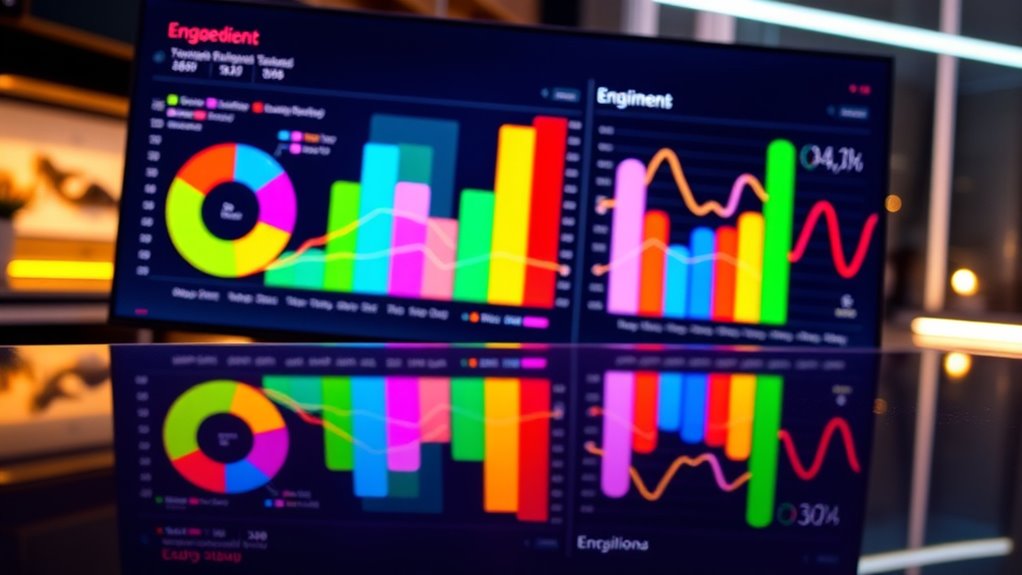
Have you ever wondered how to target your audience more effectively? Creating dynamic segments based on engagement levels is a powerful way to do just that. By analyzing engagement metrics, you can identify how different groups interact with your content, enabling you to tailor your messaging with precision. Personalization strategies thrive when you understand who your most active users are and what keeps them engaged. When you segment your audience dynamically, you’re not just grouping people by static criteria; you’re adjusting your segments in real-time based on their behavior, ensuring your campaigns stay relevant and impactful.
Dynamic segmentation allows real-time audience targeting, boosting relevance and engagement through personalized messaging.
To start, you need to track engagement metrics meticulously. These metrics include email open rates, click-through rates, time spent on your website, social media interactions, and purchase frequency. The real magic happens when you analyze this data to determine engagement levels—whether users are highly engaged, moderately engaged, or barely interacting. With these insights, you can create segments that evolve as user behavior changes, allowing you to send targeted messages that resonate. For example, highly engaged users might receive exclusive offers or early access to new products, while less active users could benefit from re-engagement campaigns designed to spark their interest again.
Implementing personalization strategies becomes more effective once you have these dynamic segments in place. You can craft content that speaks directly to each group’s interests and behaviors. Highly engaged users might appreciate personalized recommendations based on their browsing history, while less active users could be re-engaged with tailored incentives or helpful content to reignite their interest. The key is to keep these segments flexible, continuously updating them based on fresh engagement data. This approach ensures your communication feels personal, timely, and relevant, which increases the likelihood of conversions and long-term loyalty.
Furthermore, dynamic segmentation allows you to optimize your marketing efforts efficiently. Instead of wasting resources on broad, generic campaigns, you focus your efforts where they matter most. For highly engaged segments, you might increase frequency or introduce loyalty programs; for less engaged groups, you can experiment with different messaging or channels to discover what resonates best. It’s a continuous cycle of measuring engagement metrics, refining segments, and personalizing outreach. Over time, this strategy enhances your overall marketing performance, boosts customer satisfaction, and strengthens your relationship with your audience. Recognizing the importance of sleep and mental health can also inspire content that nurtures well-being and fosters deeper engagement with your community.

Email Magic : Secrets to Captivating Campaigns
As an affiliate, we earn on qualifying purchases.
As an affiliate, we earn on qualifying purchases.
Frequently Asked Questions
How Can Engagement Levels Be Accurately Measured?
You can accurately measure engagement levels by analyzing behavior metrics like click-through rates, time spent, and interaction frequency. Guarantee data accuracy by validating your sources and filtering out anomalies or bot activity. Tracking multiple behavior metrics gives a thorough view, helping you identify truly engaged users. Regularly review your data collection methods to maintain precision, enabling you to create effective dynamic segments based on genuine engagement.
What Tools Are Best for Creating Dynamic Segments?
You should use tools like HubSpot, Marketo, or ActiveCampaign for creating dynamic segments. They excel at behavior analysis and enable real-time segmentation, so you can target users based on their engagement levels instantly. These platforms automatically update segments as customer actions change, ensuring your marketing stays relevant. By leveraging these tools, you can personalize campaigns effectively and respond swiftly to shifts in user behavior.
How Often Should Engagement Data Be Updated?
Think of your engagement data as a river constantly flowing; you need real-time tracking to keep up with its current. Update your engagement data at least daily to guarantee data freshness, allowing your segments to reflect the latest customer behavior. This way, your marketing efforts stay relevant and responsive, much like steering a swiftly moving stream, ensuring your strategies adapt quickly to shifts in engagement levels.
Can Engagement-Based Segments Improve Conversion Rates?
Yes, engagement-based segments can boost your conversion rates by enabling personalized strategies that target users more effectively. By understanding engagement levels, you can tailor content and offers to meet individual interests, improving relevance. However, segmentation challenges like data accuracy and timely updates remain. To maximize benefits, verify your engagement data is current and your personalization strategies are adaptable, making your campaigns more compelling and likely to convert.
Are There Privacy Concerns With Tracking Engagement Data?
While tracking engagement data offers valuable insights, privacy risks are a concern if you’re not careful. You need to guarantee data anonymization to protect user identities and comply with regulations like GDPR. Without proper safeguards, you risk eroding trust and inviting legal issues. Balancing data collection with privacy preservation helps you leverage engagement insights effectively, without compromising your audience’s rights or exposing your business to unnecessary risks.
Conclusion
Now that you understand how to create dynamic segments based on engagement levels, you’re equipped to personalize your outreach and boost interactions. Imagine your audience as a lively crowd—some enthusiastic, some hesitant. By tailoring your messages to their engagement, you turn passive spectators into active participants. It’s like hosting a party where everyone feels seen and valued. Harness this power, and watch your engagement soar—because in the end, connection beats everything else.