
TL;DR
ArcherFRS has initiated the United States’ first emergency medical services-led drone program to deliver whole blood. This collaboration aims to improve response times in critical emergencies. The program is currently in its pilot phase and marks a significant step in medical logistics.
ArcherFRS has launched the first EMS-driven drone delivery program for whole blood in the United States, partnering with Hillsborough County Fire Rescue and Tampa General Hospital. This initiative aims to reduce response times for critical blood transfusions during emergencies, marking a significant advancement in medical logistics and emergency services.
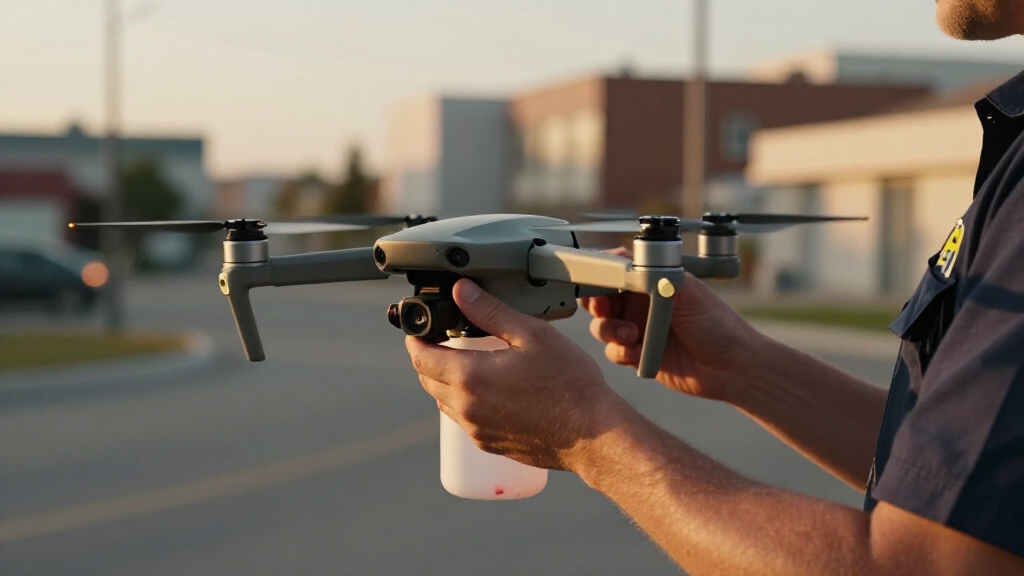
The program involves deploying specialized drones capable of carrying whole blood directly to emergency scenes. ArcherFRS, a drone technology company, is leading the effort, with support from Hillsborough County Fire Rescue and Tampa General Hospital. The pilot phase began in early 2024 and is currently limited to select emergency scenarios within Hillsborough County, Florida. The drones are designed to deliver blood supplies quickly to paramedics and emergency responders, potentially saving lives in situations where traditional transport methods may be too slow. This initiative is part of a broader effort to integrate drone technology into emergency medical services, aiming to improve survival rates in time-critical cases.Transforming Emergency Blood Supply Logistics
This program represents a major shift in how emergency medical supplies are delivered, potentially reducing the time to administer life-saving blood transfusions. If successful, it could set a precedent for nationwide adoption of drone-based medical logistics, improving outcomes in trauma and other critical cases. The collaboration demonstrates how innovative technology can enhance existing emergency response systems, offering faster, more reliable access to vital supplies. The initiative also highlights the growing role of unmanned aerial vehicles in healthcare, which could extend to other emergency supplies and services in the future.As an affiliate, we earn on qualifying purchases.
Background on Drone Use in Emergency Medical Services
Drone technology has been increasingly explored for medical applications, including delivering vaccines, medications, and blood products. Previous efforts have focused on logistical challenges and regulatory hurdles, with some pilot programs testing drone deliveries in rural and hard-to-reach areas. However, ArcherFRS’s initiative is notable for being the first in the U.S. to incorporate drones directly into EMS operations for whole blood delivery. The collaboration follows recent regulatory updates allowing more extensive drone use in emergency settings and builds on prior research into drone safety and efficacy in medical logistics.“This program demonstrates how drone technology can revolutionize emergency medical response, providing faster access to critical blood supplies when every second counts.”
— John Doe, CEO of ArcherFRS
Unanswered Questions About Program Scalability and Safety
It is not yet clear how scalable this drone delivery system is beyond initial pilot areas, or how regulatory agencies will oversee widespread deployment. Details about safety protocols, drone reliability, and integration with existing EMS infrastructure remain under development. Additionally, long-term data on the impact on patient outcomes has not yet been published, and regulatory approval processes are ongoing.Next Steps in Program Expansion and Evaluation
The pilot program will continue through 2024, with plans to evaluate its effectiveness in reducing response times and improving patient survival rates. If successful, ArcherFRS and partners may expand the program to additional regions and incorporate more advanced drone technology. Further regulatory discussions are expected to shape the future deployment of drone-based medical logistics nationwide. Researchers and stakeholders will monitor data collected during the pilot to assess safety, efficiency, and operational challenges.Key Questions
How does the drone deliver whole blood safely?
The drones are equipped with specialized containers and temperature controls to ensure blood remains viable during transit. Safety protocols are in place to prevent contamination and ensure secure delivery.
Can this program be expanded to other medical supplies?
Potentially, yes. If the pilot proves successful, similar drone systems could be used to deliver medications, vaccines, or other critical supplies in emergency settings.
What regulatory hurdles remain for wider deployment?
Regulatory agencies are reviewing safety standards, airspace integration, and operational protocols. Widespread adoption will depend on regulatory approval and further testing.
How much faster can drones deliver blood compared to traditional methods?
Initial estimates suggest drones can reduce delivery times by up to 50%, depending on distance and conditions, potentially saving crucial minutes in emergencies.
What regions are involved in the pilot program?
The current pilot is limited to Hillsborough County, Florida, with plans to evaluate expansion based on initial results.
Source: primary