
To fix automation drop-off without increasing email volume, focus on personalizing your messages based on user behavior and preferences, making each contact more relevant. Optimize your timing by using analytics to send messages when your audience is most active, and streamline your automation flow by removing unnecessary steps that cause disengagement. Regularly test and refine your content, leveraging feedback to enhance user experience. Keep these strategies in mind, and you’ll discover how to boost engagement effectively.
Key Takeaways
- Review and simplify automation flows to remove redundant steps and reduce user frustration.
- Personalize content based on user behavior to keep messages relevant and engaging.
- Optimize send times using analytics to reach users when they are most receptive.
- Test and refine automation sequences regularly using user feedback and performance data.
- Focus on delivering high-value, interest-based content rather than increasing message frequency.
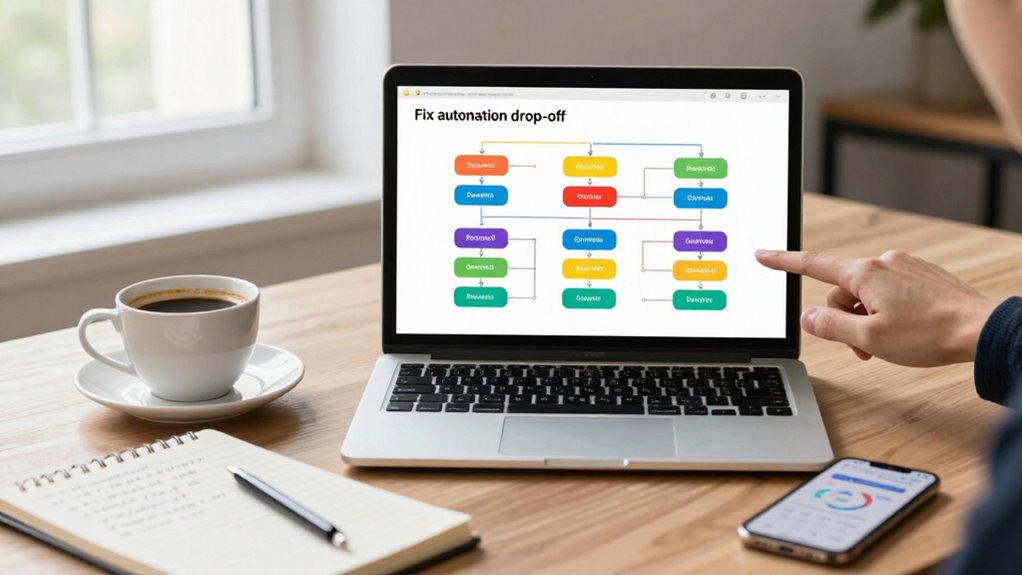
Automation drop-off can be a frustrating obstacle that hampers your marketing or operational efforts. When your automation sequences aren’t performing as expected, it’s tempting to think more emails are the answer. But often, the real issue isn’t quantity—it’s the quality and timing of your outreach. Instead of bombarding your audience with more messages, focus on refining your existing automation by employing effective personalization strategies and timing optimization.
Effective automation relies on quality personalization and timing, not just more messages. Focus on refining your approach.
First, consider how personalization can breathe new life into your automation sequences. Generic messages quickly become irrelevant, causing recipients to disengage. Personalization strategies involve tailoring content based on user behavior, preferences, and past interactions. For example, if a user abandons a shopping cart, your automation can trigger a personalized message referencing the specific items left behind, increasing the likelihood of conversion. By making each interaction feel relevant and tailored, you engage your audience more effectively, reducing drop-off rates without adding more emails.
Timing optimization is equally vital. Sending messages at the wrong moment can cause your automation to falter. Instead of scheduling emails at fixed intervals, analyze when your audience is most receptive. Use data from your analytics to identify peak engagement times and adjust your automation triggers accordingly. For instance, if you notice that your subscribers tend to open emails in the early evening, set your automation to send follow-ups during that window. Proper timing ensures your messages are seen when your audience is most likely to respond, decreasing the chances of drop-off. Incorporating behavioral data can enhance your understanding of optimal send times and improve your automation’s performance.
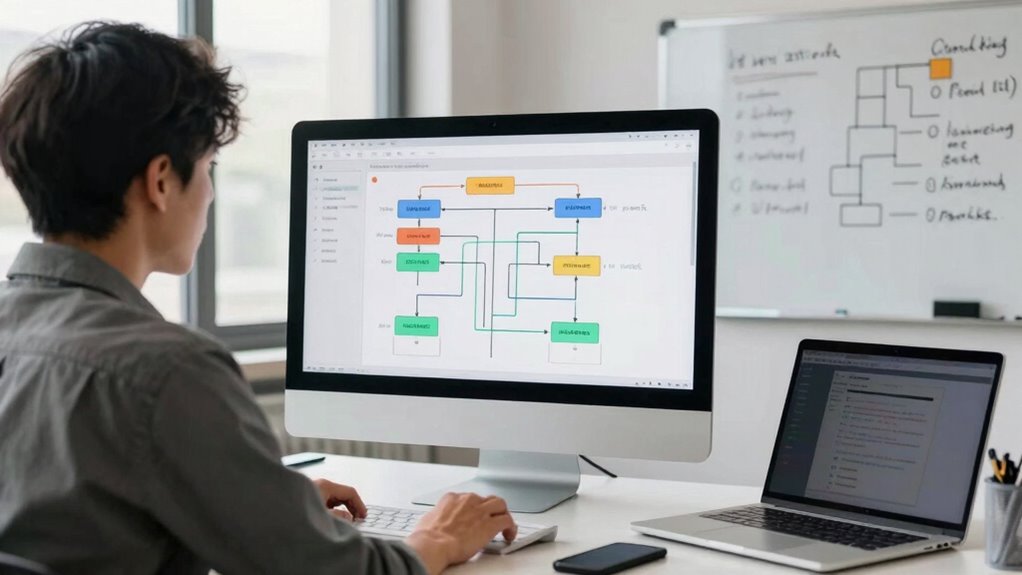
Additionally, review your automation flow. Look for points where users tend to disengage and refine those touchpoints. Simplify complex sequences, eliminate redundant steps, and ensure each message offers clear value. Sometimes, a slight tweak—such as adjusting the wording, adding a personalized touch, or changing the send time—can greatly improve engagement and completion rates. Incorporating natural pool design principles into your automation flow can also help create a more seamless experience that feels more genuine and engaging. Regularly testing and optimizing your automation based on user feedback can further reduce drop-off and increase overall effectiveness. Moreover, leveraging content relevance ensures each message aligns with the recipient’s interests, further boosting engagement.
Furthermore, understanding how flat iron bike innovations, like electric dirt bikes and generators, can inspire more engaging content or offers tailored to your audience’s interests may also help maintain their attention and reduce automation drop-off. In essence, fixing automation drop-off isn’t about sending more emails but making the ones you do send more effective. Personalization strategies help you connect on a deeper level, while timing optimization ensures your messages arrive when they’re most likely to resonate. By focusing on these areas, you create a more engaging, responsive automation that keeps your audience moving through your funnel without overwhelming them. This targeted approach not only reduces drop-off but also builds stronger relationships with your customers or clients, leading to better overall results.
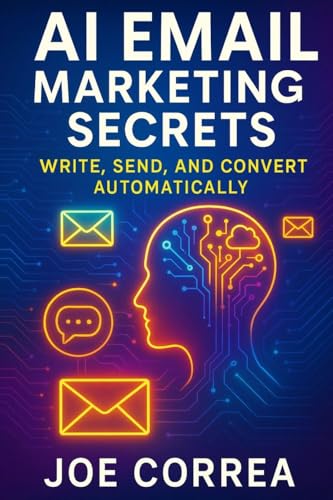
AI Email Marketing Secrets: Write, Send, and Convert Automatically (AI Marketing Revolution)
As an affiliate, we earn on qualifying purchases.
As an affiliate, we earn on qualifying purchases.
Frequently Asked Questions
How Do I Identify the Exact Point of Drop-Off in My Automation?
You can identify the exact point of drop-off in your automation by analyzing user engagement data at each step. Look for behavioral triggers that indicate where users lose interest or stop interacting. Use analytics tools to track where engagement drops, and focus on the shift points. This helps you pinpoint the precise stage where users disengage, enabling you to optimize that part of your automation to improve retention.
Can Automation Drop-Off Be Caused by Technical Issues?
Irony strikes—your automation drop-off might be caused by technical issues! Yes, technical glitches and system errors can silently sabotage your workflows, causing recipients to slip away unnoticed. These unseen glitches might interrupt your sequences, making it seem like your automation is working fine when it’s actually faltering. To fix this, regularly monitor your system logs, test your automation, and make certain your platform’s updates are installed, preventing those sneaky errors from derailing your efforts.
What Role Does Customer Segmentation Play in Reducing Drop-Off Rates?
Customer segmentation plays a vital role in reducing drop-off rates by enabling you to implement effective customer targeting and personalization strategies. When you tailor your messages to specific audience segments, you make your automation more relevant and engaging. This personalized approach keeps your customers interested and encourages them to stay engaged with your automation, ultimately decreasing the likelihood of drop-offs and increasing overall conversion rates.
How Long Should I Wait Before Analyzing Automation Performance?
You should wait at least one to two weeks before analyzing your automation performance. During this time, run A/B tests to compare different content personalization strategies and see what resonates best. Patience is key; rushing the analysis might lead you to false conclusions. Giving your automation time allows genuine patterns to emerge, helping you refine your approach, boost engagement, and ultimately reduce drop-offs effectively.
Are There Specific Industries More Prone to Automation Drop-Off?
Certain industries, like retail, hospitality, and healthcare, are more prone to automation drop-off due to unique industry challenges and automation barriers. You might find that complex customer journeys, high personalization needs, or regulatory constraints cause engagement issues. To address this, analyze where automation stalls, tailor your messaging, and simplify processes. By understanding these industry-specific challenges, you can improve automation effectiveness without overwhelming your audience or increasing email frequency.

Computer Exposure Employee Time Tracking Software | Single PC, 100 Employees | Windows 7-11 | No Monthly Fees | Free Support
SINGLE (1) PC, Employee Time Clock Software for up to 100 Employees, FREE Unlimited Support!
As an affiliate, we earn on qualifying purchases.
As an affiliate, we earn on qualifying purchases.
Conclusion
So, the next time your automation drops off, don’t just flood inboxes with more emails—you might be surprised to find that sometimes, less really is more. Ironically, by focusing on quality over quantity and genuinely engaging your audience, you’ll keep them hooked without overwhelming them. After all, in the world of automation, it’s not about pushing harder, but about working smarter—because no one wants to be drowned in a sea of endless messages.
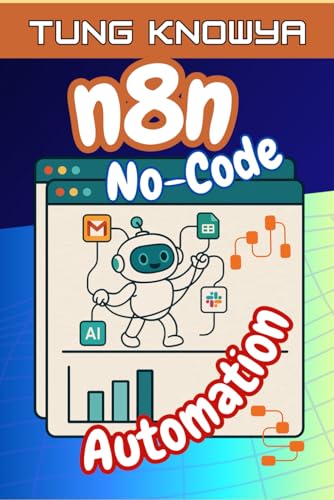
n8n No-Code Automation: A short guide to building smart workflows at no cost, helping you automate tasks & focus on what truly matters (24h Personal & Business Transformation)
As an affiliate, we earn on qualifying purchases.
As an affiliate, we earn on qualifying purchases.
behavior-based email triggers
As an affiliate, we earn on qualifying purchases.
As an affiliate, we earn on qualifying purchases.