
Optimizing email frequency is key to keeping your subscribers engaged. Most people prefer monthly emails, while only a small portion can handle daily messages. Too many emails can lead to fatigue and higher unsubscribe rates. To find your sweet spot, monitor engagement metrics like open and click-through rates, and consider segmenting your audience based on preferences. Regular frequency surveys can provide insights into what your subscribers want. By balancing frequency with personalization and automation, you can enhance relevance and keep your audience interested. There's more to explore about fine-tuning your strategy for maximum impact.

Get business pricing on office and shipping supplies
- Business-only prices and quantity discounts
- Tax-exempt purchasing
- Multiple users, one account, clear invoices
Key Takeaways
- Most consumers prefer monthly emails; understanding this can guide your frequency strategy and enhance engagement.
- Segment your audience based on demographics and preferences to tailor email frequency and content effectively.
- Monitor engagement metrics like open and click-through rates to identify over-communication and adjust frequency as needed.
- Conduct frequency surveys to gather direct feedback from subscribers about their preferred email cadence.
- Personalization and automation can enhance relevance, making subscribers more receptive to your chosen email frequency.
Importance of Email Frequency

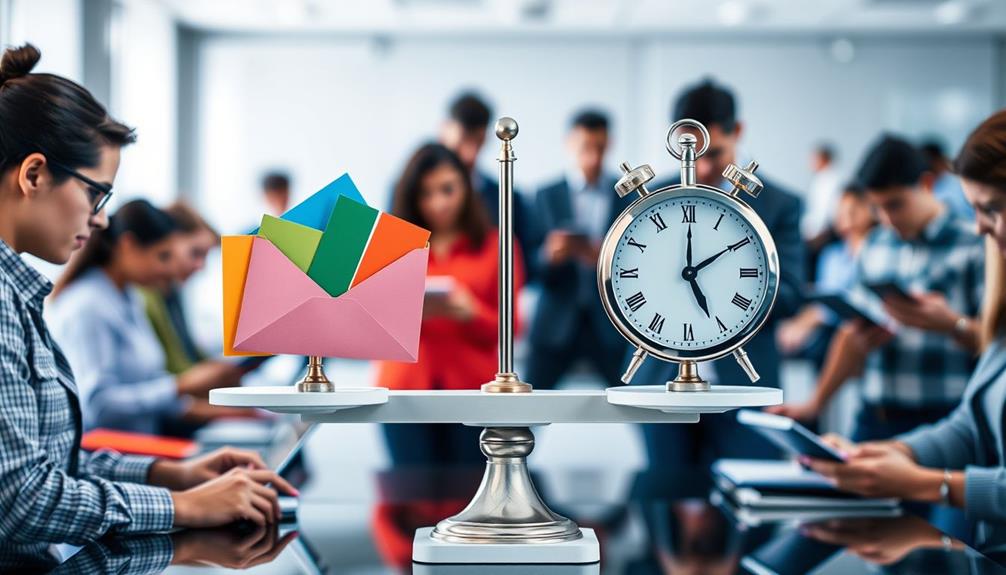
Finding the right email frequency is essential for maintaining a healthy relationship with your subscribers. Striking this balance can optimize email frequency, keeping your audience engaged without overwhelming them. Research shows that while some tolerate up to five emails a week, most prefer monthly communications.
Effective Email Marketing Strategies suggest that over-communication can lead to increased unsubscribe rates and complaints, creating email fatigue among your subscribers.
To identify the ideal email frequency, you should analyze engagement metrics like open and click-through rates. These metrics provide insight into subscriber actions, helping you tailor your strategy to audience behavior. By maintaining a consistent email cadence, you not only prevent subscribers from forgetting about your brand but also assist in cleaning disengaged contacts from your list.
It's important to set clear expectations with your audience about how often they can expect to hear from you. Remember, frequency is an ongoing process; you'll need to adjust based on feedback and engagement trends.
Identifying Subscriber Preferences

Identifying subscriber preferences is essential for crafting an effective email strategy that resonates with your audience. To achieve this, you need to understand the preferred email frequency of your subscribers.
Research shows that over 80% of consumers prefer receiving emails monthly, while less than 20% favor daily communications. Understanding your audience's investment goals can also provide insights into their preferences, as different segments may respond better to varying frequencies.
By segmenting your audience based on demographics and engagement levels, you can develop tailored frequency strategies that suit different subscriber expectations.
Analyzing engagement metrics like open rates and click-through rates helps you gauge how well your emails are performing. If you notice increasing unsubscribe rates—especially if they exceed 1%—it might indicate that your email frequency needs adjustment.
To refine your approach, consider implementing surveys or feedback options, allowing subscribers to communicate their preferences directly.
Utilizing analytics tools not only helps you track these metrics but also informs you about the ideal email frequency for your audience. By actively engaging with your subscribers and adapting your email frequency based on their preferences, you'll foster stronger connections and enhance overall engagement.
Strategies to Avoid Email Fatigue

Once you've grasped your subscribers' preferences, it's time to implement strategies that prevent email fatigue. Start by monitoring engagement metrics like open rates and click-through rates. If you notice high unsubscribe rates, it's a clear sign that your email frequency might be too high. Many consumers prefer receiving emails monthly rather than daily, so adjust your strategy accordingly.
Additionally, consider how Gold IRA Markets have successfully engaged their audience through tailored communication strategies.
Utilize frequency surveys to gather insights directly from your audience about their preferred email cadence. This data can guide you in optimizing your email frequency. Additionally, consider segmenting your audience based on engagement levels. For warmer leads, you can gradually increase email cadence, while slowing down for less engaged subscribers.
Transparency is key; set clear expectations during the subscription process about how often they'll hear from you. This builds trust and reduces the likelihood of email fatigue.
Segmenting for Optimal Engagement
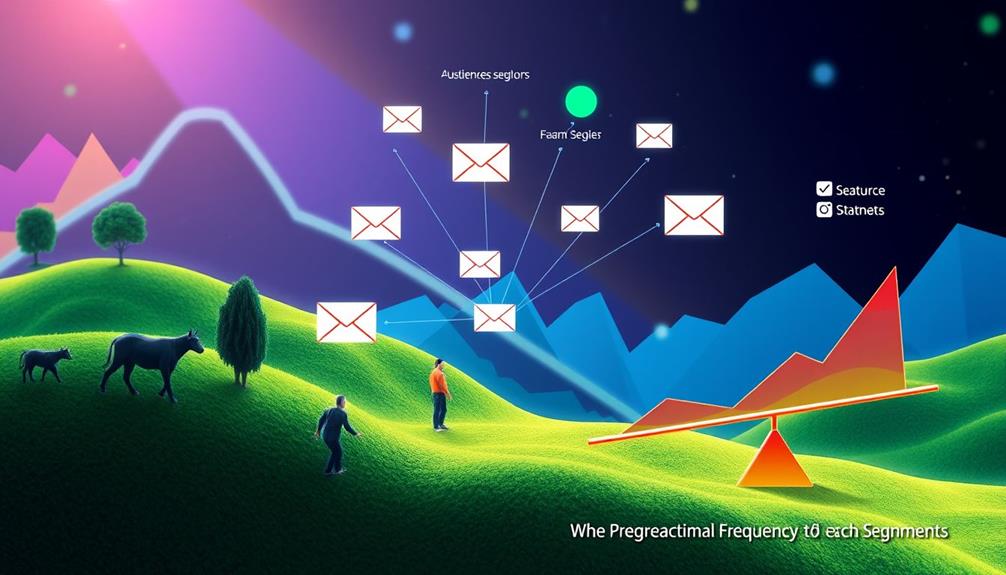
Effective email segmentation is like having a tailored suit; it fits perfectly and feels just right. By segmenting your audience based on demographics, behaviors, and engagement levels, you can enhance email frequency and boost your engagement rates.
When subscribers know they're receiving content that resonates with them, you'll see improved open rates and click-through rates. Additionally, understanding the ethical implications of your communication can foster greater trust with your audience, similar to how AI Ethicist Jobs shape public perception of technology.
Consider these key aspects of segmentation:
- Understanding their preferences: Gather data to tailor your emails effectively.
- Customized email frequency: Different segments may tolerate varying frequencies—young subscribers might prefer more frequent updates, while older demographics may not.
- Regular updates: Keep your segments fresh to maintain relevance and engagement.
Leveraging Personalization and Automation
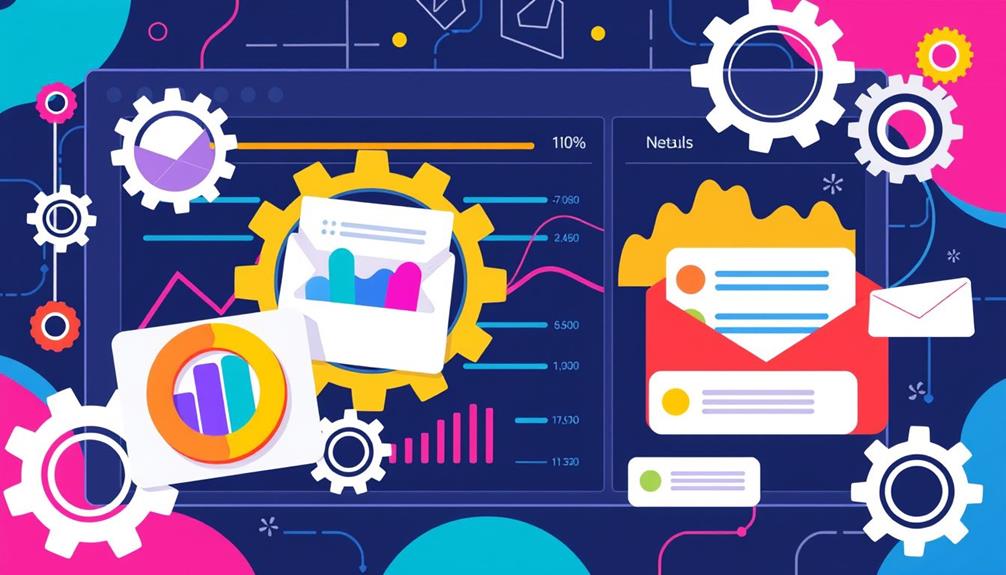
Personalization and automation are game-changers in email marketing, greatly enhancing your connection with subscribers. By leveraging personalization, you can increase your open rates by up to 26%. Use customer data to create tailored recommendations and deliver relevant content that resonates with your audience.
Dynamic content lets you customize messages for individual subscribers, boosting engagement levels by aligning your emails with their preferences and behaviors. Additionally, consider incorporating uplifting themes in your content, similar to how Blue Skies and Lemonade captures joy and positivity, which can resonate deeply with your audience.
Automation tools allow you to send triggered emails based on specific subscriber actions, ensuring timely and relevant communication. This approach not only nurtures leads but also maintains engagement effectively.
Implementing A/B testing for your email campaigns can greatly improve performance. By experimenting with personalized content variations, such as subject lines and layouts, you'll find what resonates best with your audience, leading to higher click-through rates.
Don't forget to provide subscribers with the ability to manage their preferences for content and frequency. This empowers them to receive emails that align with their interests, enhancing satisfaction and reducing unsubscribe rates.
Frequently Asked Questions
What Is the Ideal Email Frequency?
The ideal email frequency really depends on your audience. Generally, sending one to four emails per month keeps subscribers engaged without overwhelming them. Test different schedules to find what resonates best with your unique audience.
How Do I Find My Target Audience Email?
To find your target audience's email, analyze customer data, segment based on demographics and behaviors, and use surveys to gather preferences. Monitor engagement patterns and test strategies to refine your approach effectively.
What Is the Ideal Weekly Email Frequency for Marketing?
Ever wondered how often you should email your audience? Aim for a sweet spot of 3 to 5 emails weekly. This balance keeps engagement high while preventing complaints or unsubscribes from creeping in.
How Frequently Should You Email Your Customers?
You should email your customers based on their engagement levels. Start with weekly emails for active subscribers, then adjust frequency as needed. Monitor responses, and don't hesitate to experiment until you find what resonates best.
Conclusion
Finding the right email frequency is like dancing on a fine line—too few messages, and your audience forgets you; too many, and they hit unsubscribe. By tuning in to your subscribers' preferences and leveraging segmentation and automation, you can strike that perfect balance. Imagine the satisfaction of engaging your audience just enough to keep them anticipating your next email, rather than dreading it. It's all about crafting a relationship that feels just right!
Fall Picks
fall essentials
As an affiliate, we earn on qualifying purchases.