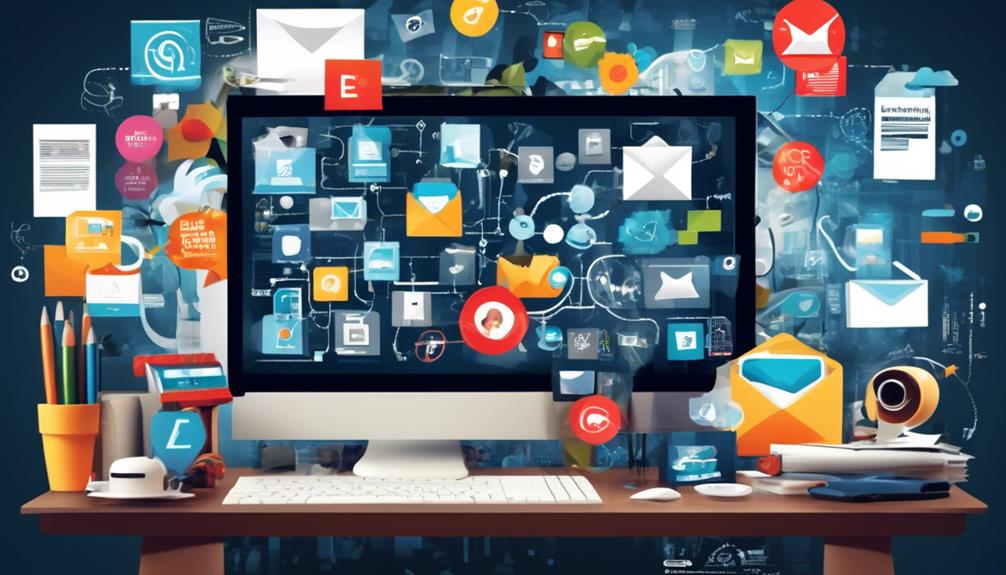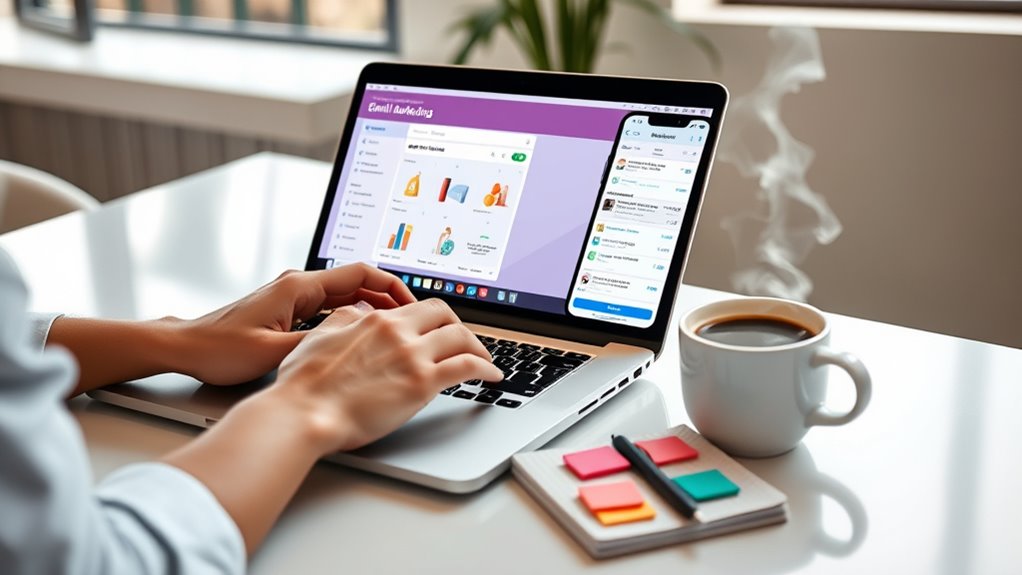

To start with email marketing for your small business, focus on building a quality list by collecting contacts through sign-up forms and purchase data. Segment your audience based on factors like purchase history, location, or engagement to send personalized messages that resonate. Test different subject lines, offers, and formats continually, and use insights to refine your approach. Mastering segmentation and personalization will boost your results—and if you keep exploring, you’ll discover even more effective strategies.
Key Takeaways
- Segment your email list based on customer data like purchase history and engagement for targeted messaging.
- Personalize emails with relevant content, offers, and timing to increase relevance and boost conversions.
- Collect data through sign-up forms, purchases, and website interactions to create meaningful segments.
- Test different elements such as subject lines and offers regularly to optimize campaign performance.
- Focus on building relationships by sending valuable, targeted emails that foster loyalty and drive sales.

Are you looking for a cost-effective way to grow your small business? Email marketing remains one of the most affordable and impactful methods to reach your audience, boost engagement, and drive sales. To maximize its potential, you need to understand how to tailor your messages to different segments of your customer base. Segmentation strategies are at the core of effective email campaigns. Instead of sending the same generic message to everyone, you divide your email list into distinct groups based on factors like purchase history, location, demographics, or engagement levels. This approach allows you to craft targeted content that resonates more deeply with each segment, increasing the likelihood of conversions.
Segment your email list to create personalized, targeted messages that boost engagement and conversions.
Once you’ve segmented your list, personalization tactics come into play. Personalization goes beyond just including the recipient’s name; it involves customizing the content, offers, and timing to match each subscriber’s preferences and behaviors. For example, if a customer recently bought a product, follow-up emails with complementary items or related tips can encourage repeat purchases. If someone hasn’t opened your emails in a while, a re-engagement campaign with a special offer might rekindle their interest. These tactics show that you understand your customers, making them feel valued and increasing their loyalty.
Implementing segmentation strategies and personalization tactics requires some planning, but the payoff is worth it. Start by collecting data through sign-up forms, purchase records, and website interactions. Use this information to create meaningful segments, such as new subscribers, active customers, or inactive users. Then, develop tailored email content for each group. For instance, new subscribers might receive welcome series that introduce your brand, while loyal customers could get exclusive discounts. Personalization can also involve dynamic content blocks that change based on user data, making each email uniquely suited to the recipient.
It’s essential to test and refine your approach continually. Monitor open rates, click-through rates, and conversions to see what resonates best with each segment. Use A/B testing to compare different subject lines, offers, or email formats. Over time, you’ll gather insights that help you sharpen your segmentation strategies and personalization tactics, resulting in more engaging campaigns that drive results.
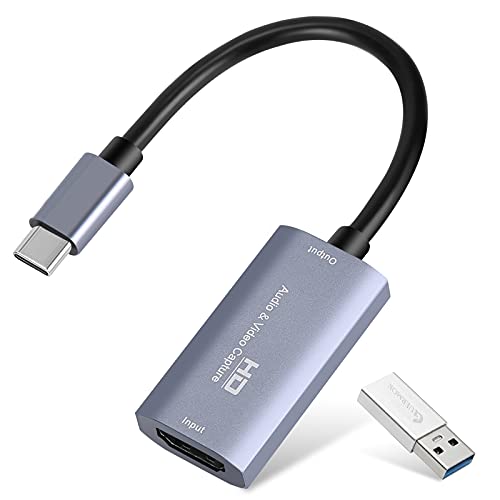
Guermok Video Capture Card, 4K USB3.0 HDMI to USB C Capture Card for Streaming, 1080P 60FPS, Compatible with iPad Mac OS Windows, Quest 3, OBS, PS5/4, Switch2/1, Xbox, Camera (Silver)
【1080P 60FPS Video Capture Card】 This HDMI game capture card is based on USB3.0 high speed transmission port,...
As an affiliate, we earn on qualifying purchases.
Frequently Asked Questions
How Can I Segment My Email List Effectively?
To segment your email list effectively, start by analyzing customer data to identify common traits and behaviors. Use this information for customer segmentation, dividing your list into groups based on interests, purchase history, or demographics. Then, tailor your email personalization efforts to each segment, ensuring relevant content that resonates. This targeted approach boosts engagement, opens, and conversions, helping you build stronger relationships with your audience.
What Are the Best Tools for Small Business Email Campaigns?
You should consider tools like Mailchimp, Constant Contact, or Sendinblue for your email campaigns. They offer personalization strategies that help tailor messages to your audience, boosting engagement. These platforms also incorporate email design best practices, making it easy to create visually appealing, mobile-friendly emails. With these tools, you can efficiently segment your list, automate campaigns, and track performance to improve your marketing efforts.
How Often Should I Send Marketing Emails?
You should send marketing emails about once a week or biweekly, following frequency guidelines that prevent overwhelming your subscribers. Keep an eye on engagement metrics like open rates and click-through rates to see if your audience remains interested. Adjust your email frequency accordingly—if engagement drops, consider slowing down; if it stays strong, you might increase communication. Consistency and monitoring are key to effective email marketing.
What Legal Considerations Should I Be Aware Of?
Think of legal considerations as the guardrails guiding your email journey. You must prioritize privacy compliance and adhere to spam regulations to avoid hefty fines and damage to your reputation. Always obtain explicit consent before sending emails, include an easy opt-out option, and clearly identify your business. Staying informed about evolving laws guarantees you stay on the right side of legal boundaries, making your email marketing both effective and compliant.
How Do I Measure Email Marketing Success?
To measure email marketing success, focus on key metrics like email open rates and click-through rates. Open rates show how many recipients see your emails, while click-through metrics reveal how engaged they are with your content. Track these regularly to identify what resonates with your audience. Use this data to optimize your subject lines, content, and calls to action, ultimately boosting your campaign’s effectiveness and ROI.

hohem iSteady X3 SE Gimbal Stabilizer for iPhone, Phone Stabilizer with Detachable Remote Control, Portable Foldable 3-Axis Phone Gimbal for Android & iPhone 16 15 Pro Max, Ideal for Travel Vlogging
Detachable Remote Controller: The hohem iSteady X3 SE Gimbal comes with a detachable magnetic remote, allowing you to...
As an affiliate, we earn on qualifying purchases.
Conclusion
Don’t let fear of complexity hold you back. With a simple, consistent email strategy, you can build stronger relationships and boost sales. Imagine sending a friendly, personalized message that your customers enthusiastically open—no tech wizardry needed. Start small, stay steady, and watch your small business grow. Email marketing isn’t just for big brands; it’s your secret weapon to connect, convert, and succeed. Get started today, and see the difference it makes!
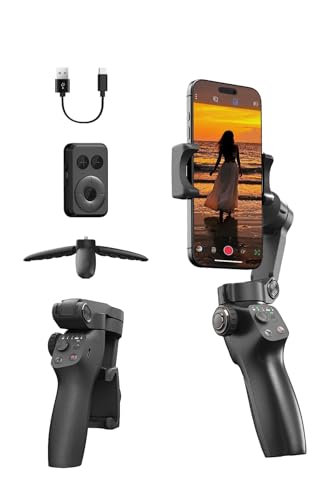
FUNSNAP CM8 Gimbal Stabilizer for iPhone Android, 3-Axis Phone Gimbal with Remote Control Portable Foldable, Phone Stabilizer for Video Recording for Tiktok YouTube Vlog
[Powerful Gimbal Stabilizer for Smartphones] Featuring improved 3-axis stabilization, this phone gimbal guarantees stable and shake-free footage, even...
As an affiliate, we earn on qualifying purchases.

DJI Osmo Mobile SE, 3-Axis Phone Gimbal for iPhone, Android, Built-in Tripod, Selfie Stick, Gimbal Stabilizer for iphone, Andriod, ActiveTrack 6.0, Vlogging Stabilizer for Youtube, TikTok, Travel
Portable, Foldable, and Magnetically Quick - This compact gimbal is a must-have for any content creator's essentials, allowing...
As an affiliate, we earn on qualifying purchases.