
Using dynamic content blocks lets you customize your emails based on individual interests and behaviors, making your messages more relevant and engaging. By segmenting your audience and setting rules, you can automatically insert personalized images, offers, and messages that resonate with each recipient. This targeted approach boosts open rates, clicks, and conversions while saving time with automated templates. Keep exploring how these strategies can transform your email marketing and enhance audience connections.
Key Takeaways
- Segment your audience based on interests, behaviors, or purchase history to target relevant content blocks effectively.
- Set up rules within your email platform to automatically insert dynamic content tailored to each recipient’s preferences.
- Use data analytics to monitor engagement metrics and refine content blocks for better alignment with individual interests.
- Implement adaptable templates that display different content blocks based on recipient segments, reducing manual effort.
- Continuously test and optimize dynamic content elements, such as images and offers, to enhance personalization and engagement.
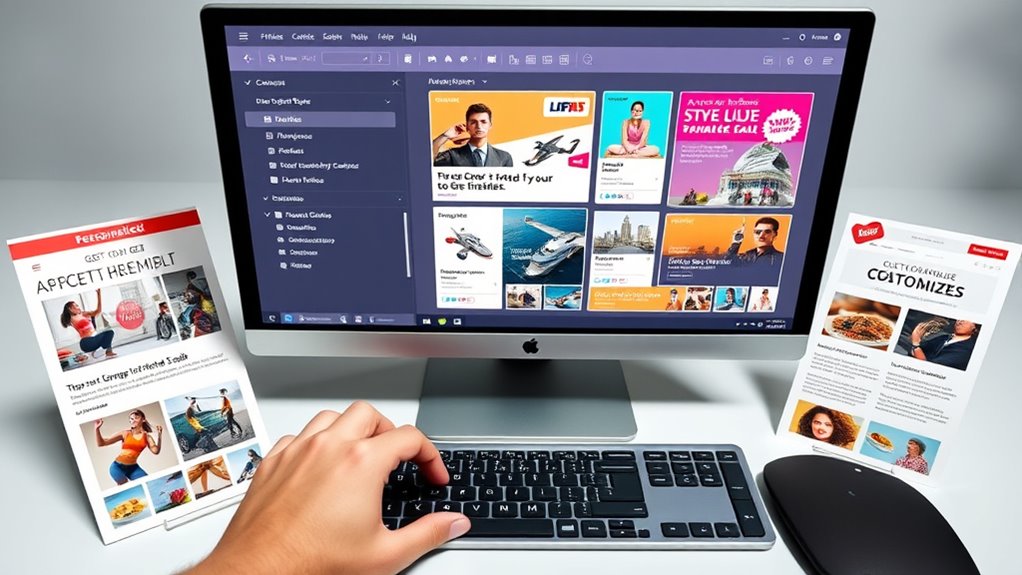
Personalized emails are increasingly vital for capturing your audience’s attention, and dynamic content blocks make this easier than ever. By leveraging these blocks, you can craft messages that resonate deeply with each recipient, boosting the chances they’ll engage with your content. The key lies in developing effective personalization strategies—tailoring your email content based on customer behavior, preferences, and past interactions. When you use dynamic content, you’re not just sending generic messages; you’re creating a personalized experience that feels relevant and meaningful. This relevance directly impacts your engagement metrics, such as click-through rates, conversion rates, and open rates. The more tailored your email, the more likely your audience is to interact with it, and that’s the ultimate goal.
Personalized emails enhance engagement through relevant, targeted content based on customer behavior and preferences.
To implement dynamic content blocks effectively, you need to gather and analyze data about your audience. Segment your contacts based on their interests, purchase history, location, or browsing behavior. Once segmented, you can set up rules that automatically insert specific content blocks into your emails depending on each segment’s characteristics. For example, if a subscriber recently bought outdoor gear, you can include a content block showcasing new hiking boots or camping accessories. This targeted approach ensures that recipients see content that appeals directly to their interests, increasing the likelihood they’ll click through and take action.
Tracking engagement metrics is vital to refining your personalization strategies. Pay close attention to how different segments respond to various content blocks. Are certain images or offers driving more clicks? Do specific subject lines lead to higher open rates? By analyzing these metrics, you can adjust your dynamic content and improve future campaigns. Over time, this iterative process helps you better understand your audience’s preferences, enabling you to serve more relevant content and enhance overall campaign performance.
Moreover, dynamic content blocks save you time and effort. Instead of creating multiple emails for different segments, you build a single adaptable template that adjusts based on recipient data. This flexibility means you can deliver personalized experiences at scale without sacrificing efficiency. As your data collection and automation tools become more sophisticated, so does your ability to deliver highly tailored messages with minimal manual effort. Additionally, understanding the importance of contrast ratio in image quality can help optimize visual elements within your content, making your emails more appealing and engaging.
Frequently Asked Questions
How Do I Create Dynamic Content Blocks in My Email Platform?
To create dynamic content blocks, start by selecting your email template customization options within your platform. Then, use audience segmentation to identify different groups based on interests, behaviors, or demographics. Insert dynamic content blocks into your template, and set rules so specific segments see tailored content. This way, your emails become more personalized, increasing engagement and relevance without extra manual effort.
Can Dynamic Content Be Personalized Based on User Behavior?
Think of your email like a personalized playlist; behavior tracking helps you choose the perfect songs. Yes, dynamic content can be personalized based on user behavior, allowing you to adapt content in real-time. By analyzing actions like clicks or purchases, you enhance content personalization, making your emails more relevant and engaging. This targeted approach boosts open rates and conversions, turning casual readers into loyal customers.
What Are Best Practices for Testing Dynamic Email Content?
You should start with A/B testing different content variations to see which resonates best with your audience. Test one version with dynamic content blocks and another without, then analyze open rates and click-throughs. Make small adjustments based on results, and continually refine your content. Regularly monitor performance metrics to guarantee your dynamic email content remains personalized and effective, maximizing engagement and conversions.
How Do I Handle Privacy Concerns With Personalized Email Content?
Did you know 81% of consumers say trust is a deciding factor for engaging with brands? To handle privacy concerns, guarantee you use data encryption to protect personal info and implement clear consent management. Always ask for explicit permission before personalizing content, and give recipients easy options to update preferences. By prioritizing transparency and security, you build trust and respect user privacy while delivering tailored email experiences.
Are There Limitations to Using Dynamic Content Across Different Email Clients?
Yes, there are limitations to utilizing dynamic content across different email clients. You might encounter email client compatibility issues, as some clients don’t fully support advanced features like dynamic content blocks. To maximize effectiveness, test your emails across popular platforms, and keep your dynamic content simple. This way, you reduce the risk of display problems and ensure your personalized messages reach your audience effectively, regardless of their email client.
Conclusion
So, enjoy the irony—you spend all this time customizing emails to match individual interests, only to realize that, sometimes, the most engaging content is simply being authentic. Dynamic content blocks make your emails feel personal, yet they remind you that a little genuine connection can go further than any fancy segmentation. After all, in a world full of tailored messages, there’s beauty in just being yourself—bonus points if your audience notices.