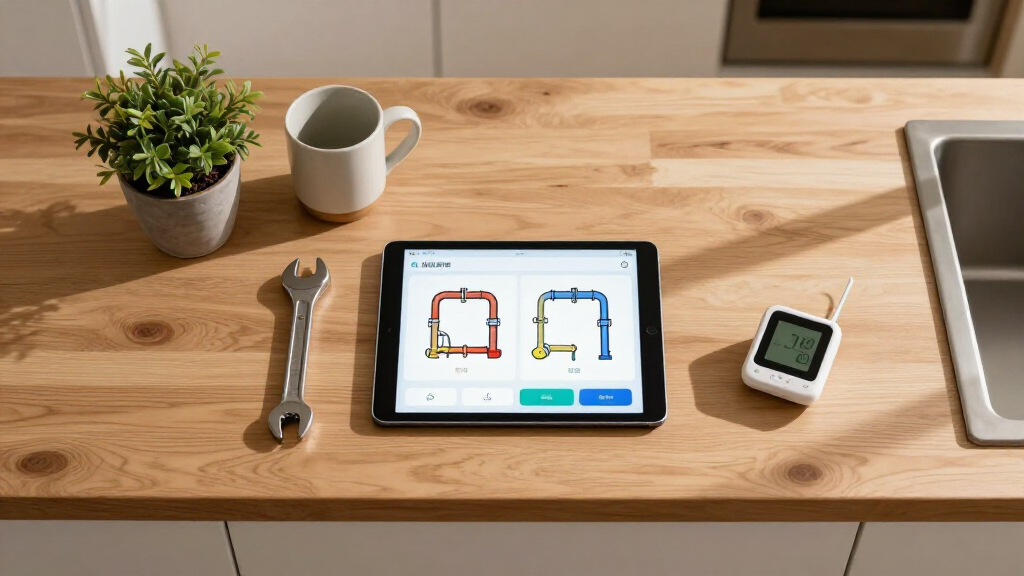
🔍 Read the full analysis: AI Innovations That Prevent Surprises In Plumbing & HVAC Projects on ThorstenMeyerAI.com

Get business pricing on office and shipping supplies
- Business-only prices and quantity discounts
- Tax-exempt purchasing
- Multiple users, one account, clear invoices
TL;DR
AI-driven platforms are now enabling real-time coordination and error prevention in plumbing and HVAC projects. These tools help avoid costly surprises, streamline workflows, and improve project outcomes. The development is confirmed and currently being adopted by several firms, as detailed in the original analysis.
Artificial intelligence innovations are now being implemented to prevent unexpected surprises in plumbing and HVAC projects, according to recent industry reports. These AI tools aim to enhance coordination, reduce costly errors, and streamline workflows, offering significant benefits to construction firms and building operators. The developments are currently in pilot phases and beginning broader adoption, marking a notable shift in building services management.
Leading building services companies are integrating AI-driven platforms that provide real-time data, predictive analysis, and automated coordination checks for plumbing and HVAC installations. These systems leverage advanced sensors, digital twins, and machine learning algorithms to identify potential conflicts before work begins, thereby avoiding delays and costly rework. For example, AI tools can verify the alignment of shafts and detect clashes with structural elements during the planning stage, reducing the incidence of uncoordinated breakthroughs, which historically have caused significant project delays.
One prominent application involves AI-enabled photo and data verification, ensuring that wall penetrations and service routes are correctly documented before construction. This reduces the need for rework, which can take days or weeks when discovered late. Industry sources indicate that projects using these AI tools have seen uncoordinated breakthroughs drop from over 40 per project to fewer than five, and leak detection times in existing structures cut from days to mere hours, thanks to comprehensive digital archives and AI-assisted analysis.
These innovations also facilitate better handovers and maintenance planning. By generating detailed equipment registers and maintenance schedules during project completion, AI platforms help building operators manage lifecycle costs more effectively. This integrated approach enhances transparency, reduces warranty issues, and supports ongoing operational efficiency, according to industry insiders.
Impact of AI on Construction Coordination and Cost Savings
The adoption of AI tools in plumbing and HVAC projects represents a significant step toward reducing errors, delays, and costs in building construction. By catching conflicts early and providing precise documentation, these innovations help firms protect margins and improve client satisfaction. The ability to prevent surprises not only accelerates project timelines but also enhances overall quality and safety, making AI a transformative force in building services management.
AI-powered plumbing clash detection software
As an affiliate, we earn on qualifying purchases.
As an affiliate, we earn on qualifying purchases.
Recent Advances in Construction AI and Industry Adoption
Over the past few years, the construction industry has increasingly embraced digital solutions, with AI emerging as a key enabler of smarter workflows. Earlier efforts focused on digital documentation and basic clash detection, but recent developments now incorporate predictive analytics, sensor data, and automated verification processes. These advancements are driven by the need to reduce costly rework, improve safety, and meet stricter regulatory standards. Several pilot projects and early adopters report promising results, with notable reductions in uncoordinated breakthroughs and faster leak detection in existing structures.
The platform Gewerkton, developed by Thorsten Meyer AI, exemplifies this trend by integrating AI into various stages of building projects, from planning to operation. Its focus on the German market aligns with regional standards, but the principles are applicable globally, signaling a broader shift toward AI-enabled building services management.
Remaining Challenges and Limitations of AI Integration
While early results are promising, it is still unclear how widely these AI solutions will be adopted across different regions and project types. Challenges include integrating AI platforms with existing workflows, data privacy concerns, and the need for specialized training. Additionally, the long-term reliability and cost-effectiveness of these tools remain under evaluation, with ongoing pilot programs providing the initial data but not yet definitive proof of large-scale success.
Next Steps for Broader Adoption and Development
Industry stakeholders plan to expand pilot programs, refine AI algorithms, and develop standardized protocols for integration. As more firms adopt these tools, broader data collection will inform improvements and help establish best practices. Regulatory bodies and industry associations may also develop guidelines to facilitate wider implementation. Expect to see increased collaboration between AI developers, construction firms, and building operators over the next 12-24 months, aiming for more robust, scalable solutions.
Key Questions
How do AI tools improve coordination in plumbing and HVAC projects?
AI tools analyze project plans, sensor data, and digital models to identify conflicts, verify documentation, and predict potential issues before construction begins, reducing errors and rework.
Are these AI innovations widely available now?
They are currently in pilot phases with early adopters and are beginning to see broader implementation, but full industry-wide adoption is still developing.
What are the main benefits of using AI in building services?
Key benefits include fewer uncoordinated breakthroughs, faster leak detection, improved project timelines, cost savings, and better operational data for maintenance.
What challenges remain for AI integration in construction?
Challenges include integration with existing workflows, data privacy, training requirements, and establishing industry standards for AI use.
Will AI replace traditional coordination methods?
AI is expected to augment, not replace, traditional methods by providing enhanced tools for early conflict detection and project management.
Source: ThorstenMeyerAI.com
Fall Picks
fall essentials
As an affiliate, we earn on qualifying purchases.