
To align your email marketing with your sales funnel, segment your list based on behavior and demographics, then personalize messages to guide prospects through each stage. Use triggers like cart abandonment or browsing to send targeted follow-ups that build trust and encourage conversions. Automate nurturing sequences with valuable content, track engagement metrics, and adjust your tactics accordingly. Continuing will reveal how to create cohesive campaigns that turn prospects into loyal customers smoothly.
Key Takeaways
- Segment your email list based on behavior, demographics, and engagement to deliver targeted, stage-specific messages.
- Use personalized, behavior-triggered emails to nurture prospects and guide them through each sales funnel stage.
- Automate campaigns with relevant content like testimonials and guides to build trust and move prospects closer to purchase.
- Track engagement metrics to optimize segmentation, messaging, and timing for better alignment with sales efforts.
- Coordinate email content with sales strategies, using initial soft calls and targeted offers to effectively convert prospects into customers.

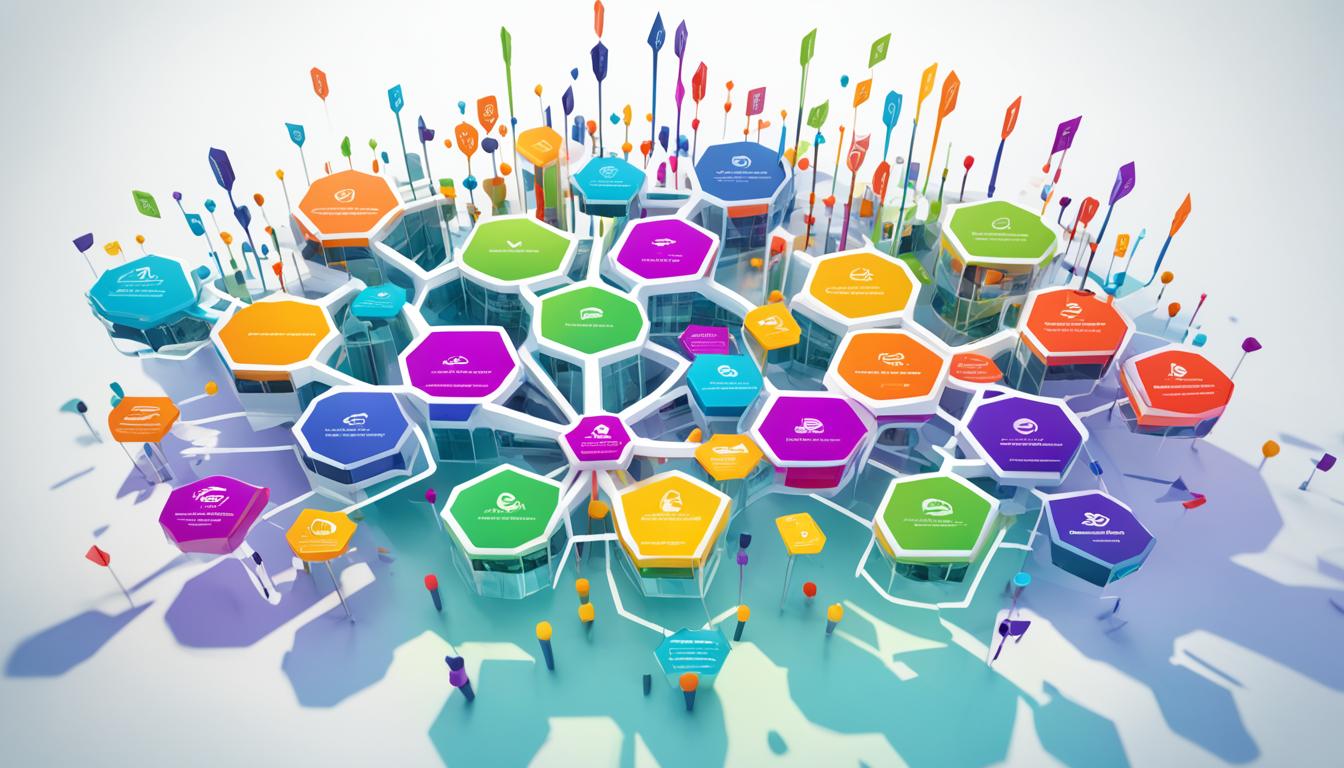
Achieving alignment between your email marketing and sales funnel is essential for converting prospects into loyal customers. When your email campaigns effectively correspond with each stage of your sales process, you create a seamless experience that guides prospects from initial interest to final purchase. One of the most powerful tools to achieve this is implementing strategic segmentation strategies. By dividing your email list into targeted groups based on behavior, demographics, or engagement levels, you ensure that each recipient receives content tailored to their specific needs and interests. This tailored approach increases relevance and engagement, helping prospects move smoothly through the funnel.
Segmentation strategies enable you to personalize your messaging, making sure that your emails resonate with where your prospects are in their buying journey. For example, new subscribers might receive introductory content and brand awareness emails, while warm leads get more detailed product information or special offers. As prospects show more interest, your segmentation can evolve to include behavior-based triggers, such as browsing specific product pages or abandoning carts. These cues allow you to deliver timely, relevant messages that nurture the lead toward conversion. Incorporating an understanding of emotional support can also help craft empathetic communications that address prospects’ concerns and foster trust.
Personalize your emails by segmenting prospects based on their interests and behaviors to boost engagement and conversions.
Lead nurturing plays a critical role in aligning your email efforts with your sales funnel. Once you’ve segmented your list, you can develop a series of automated emails designed to build trust, answer questions, and address objections. This process keeps your brand top of mind and steadily moves prospects closer to making a purchase. Effective lead nurturing involves providing valuable content, such as case studies, testimonials, or how-to guides, that aligns with each prospect’s stage. When prospects feel understood and receive consistent value, they’re more likely to convert.
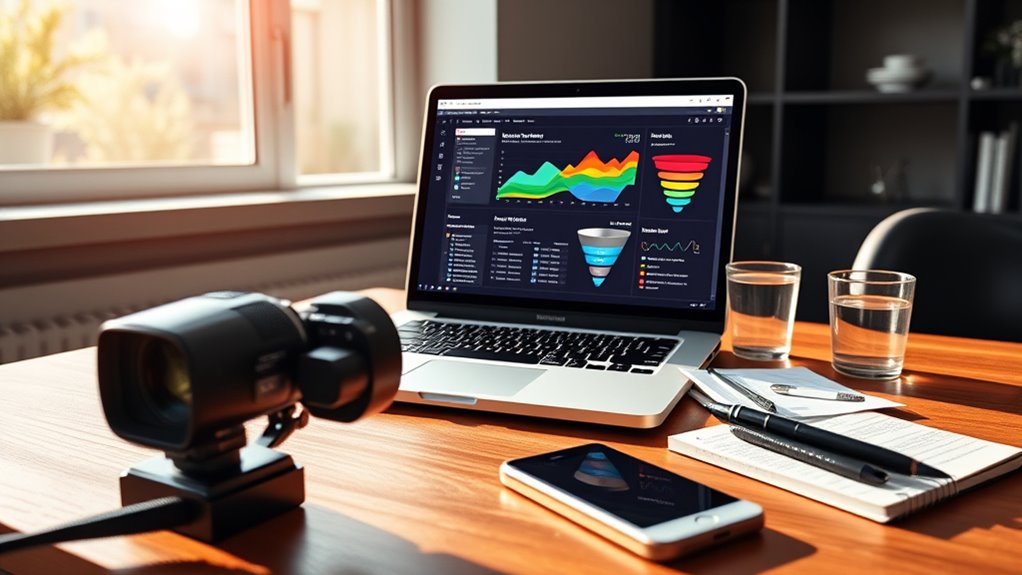
Your email campaigns should work in tandem with your sales team’s efforts, providing the right message at the right time. For early-stage leads, educational content and soft calls to action are appropriate, while more engaged prospects might receive special offers or demos. This alignment ensures your messaging remains cohesive and relevant throughout the entire funnel, reducing friction and boosting conversion rates. Additionally, tracking engagement metrics allows you to refine your segmentation and lead nurturing strategies continuously. If certain segments respond well to specific content, you can double down on those tactics, while adjusting or dropping less effective ones.
Frequently Asked Questions
How Do I Segment My Email List Effectively?
You can segment your email list effectively by analyzing customer behavior and preferences to boost engagement. Use data like purchase history, browsing habits, and engagement levels to create targeted groups. Tailor your content relevance for each segment, ensuring messages resonate and encourage action. Regularly update your segments based on new interactions. This approach personalizes your emails, increases customer engagement, and guides prospects smoothly through your sales funnel.
What Metrics Best Measure Email Sales Funnel Success?
Think of your email campaign as a compass guiding leads to conversion. Focus on metrics like open rate, click-through rate, and conversion rate to gauge success. Use A/B testing to optimize open rates and refine subject lines. Tracking how many recipients move from initial interest to purchase reveals your funnel’s effectiveness. By analyzing these metrics, you’ll identify what resonates, and steer your strategy toward higher sales.
How Often Should I Send Sales-Focused Emails?
You should send sales-focused emails based on your ideal customer’s email timing and sales cadence. Generally, aim for 1-2 emails per week to stay top-of-mind without overwhelming your audience. Adjust frequency based on engagement levels; if open rates drop, space out emails. Consistent, well-timed emails nurture leads and guide them along your sales funnel, increasing your chances of conversion without causing email fatigue.
How Can Personalization Improve Email Conversion Rates?
Personalization can boost email conversion rates by up to 14%, making your audience feel valued. When you tailor email content and optimize subject lines based on recipient data, you’re more likely to grab attention and encourage action. Use their name, preferences, and past behavior to craft relevant messages. This targeted approach increases engagement, builds trust, and ultimately drives more conversions through smarter, personalized email campaigns.
What Tools Integrate Email With Sales Funnel Management?
You can use tools like HubSpot, Mailchimp, or ActiveCampaign that integrate email automation with CRM systems. These tools allow you to automatically trigger personalized emails based on customer actions, ensuring your emails align perfectly with your sales funnel stages. By syncing your email campaigns with your CRM, you gain better insights and streamline your outreach, making it easier to nurture leads and convert prospects into customers efficiently.
Conclusion
By aligning your email strategy with your sales funnel, you set yourself up for smoother sailing. When your messages speak directly to each stage, you turn prospects into loyal customers faster than you might think. Remember, don’t put all your eggs in one basket—diversify your approach and stay consistent. Keep refining your emails to match your funnel’s flow, and you’ll see your efforts pay off. It’s all about playing your cards right and reaping the rewards.