To build an email calendar around buyer intent, start by identifying key signals that indicate where prospects are in their journey, like downloads or page visits. Segment your audience based on these behaviors and personalize messages accordingly. Schedule campaigns to deliver educational content early on, then follow up with targeted offers or demos as interest grows. Respond quickly to buyer cues, adjusting messages to meet their evolving needs, and you’ll turn prospects into customers. Learn more on how to refine this process effectively.

Get business pricing on office and shipping supplies
- Business-only prices and quantity discounts
- Tax-exempt purchasing
- Multiple users, one account, clear invoices
Key Takeaways
- Identify and track buyer signals and behaviors to determine optimal timing for targeted email campaigns.
- Segment your audience based on engagement levels, buying stage, and preferences for personalized messaging.
- Align email content with the buyer journey, providing relevant information and offers at each stage.
- Incorporate market trends and external insights to enhance the relevance and timing of your emails.
- Schedule and automate emails around key buyer actions and signals to nurture leads effectively.
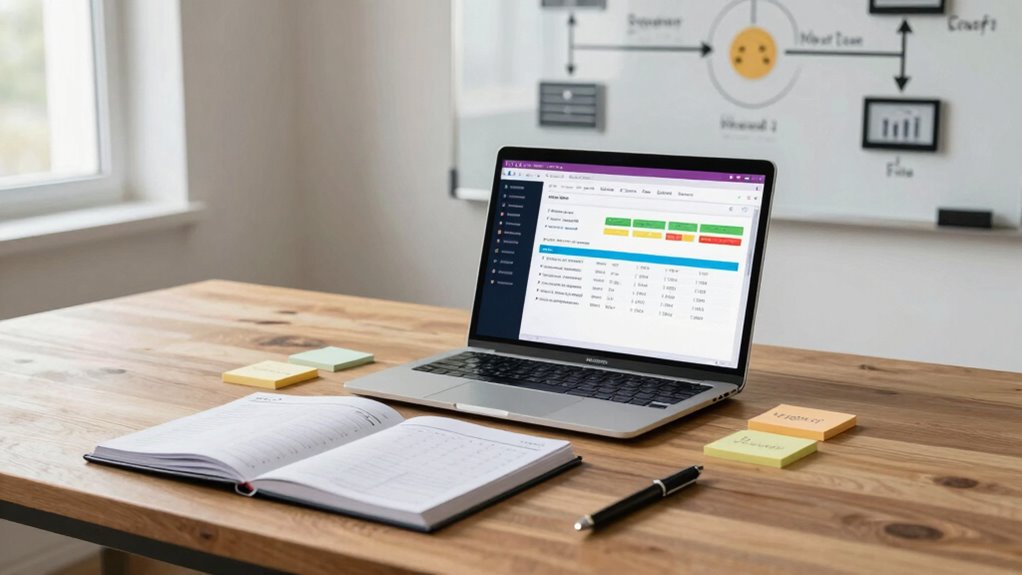
Understanding your buyers’ intent at each stage of their journey is essential for crafting effective email campaigns. When you align your messaging with what your audience is looking for, you increase engagement and drive conversions. To do this effectively, you need to implement strong personalization strategies and segmentation techniques. Personalization isn’t just about inserting a recipient’s name; it’s about tailoring content based on their behaviors, preferences, and stage in the buying process. Segmenting your email list allows you to send targeted messages that resonate with each subgroup, whether they’re just discovering your brand or ready to make a purchase.
Align messaging with buyer intent through personalization and segmentation to boost engagement and conversions.
As prospects move from awareness to consideration, your email content should evolve accordingly. Early in the journey, focus on providing value—educational resources, blog post links, or industry insights—that address their initial questions. Here, segmentation techniques help you identify who’s in the awareness stage versus those already considering your solutions. You might segment based on demographics, past website activity, or engagement levels. Personalization strategies then come into play by customizing these emails to match their specific interests, making your messages more relevant and compelling.
When a lead shows signs of intent—like downloading a product guide or visiting your pricing page—you want to respond with timely, targeted emails. Your segmentation should flag these behaviors so you can craft messages that speak directly to their needs. For example, if they’re comparing features, send an email highlighting your product’s unique benefits or case studies that demonstrate success stories in their industry. Personalization strategies here involve dynamic content blocks that adapt based on user actions, making each email feel uniquely crafted for the recipient. Incorporating insights from essential oils can help you understand how to better craft messaging that meets evolving customer needs and preferences.
As they near a decision, your email calendar needs to include personalized offers, demos, or consultations. These emails should feel urgent but helpful, guiding them toward a conversion. Segmentation ensures you’re not bombarding everyone with the same message; instead, you send tailored incentives based on their previous interactions. This approach increases the likelihood of closing the sale because your communications match their current needs and buyer signals. Recognizing these signals and responding promptly can turn a tentative interest into a committed sale. Additionally, understanding how electric dirt bikes are valued and positioned in the market can provide context for your offers, making your messaging even more relevant to their interests. Recognizing and acting on market trends also plays a crucial role in aligning your campaigns with what buyers are actively seeking.
Building an email calendar around buyer intent isn’t a one-size-fits-all task, but when you leverage segmentation techniques and personalization strategies effectively, your campaigns become more relevant and impactful. By understanding where your prospects are in their journey and customizing your approach accordingly, you foster trust, improve engagement, and ultimately, boost conversions. Staying attentive to buyer signals and adjusting your emails in real time turns your email marketing into a powerful tool for guiding prospects smoothly from interest to purchase. Incorporating insights from smart home technology can help you better understand how to adapt your messaging to meet evolving customer needs.
email marketing automation tools
As an affiliate, we earn on qualifying purchases.
As an affiliate, we earn on qualifying purchases.
Frequently Asked Questions
How Do I Track Real Buyer Intent Effectively?
You can track real buyer intent by paying attention to buyer psychology and recognizing intent signals. Monitor engagement metrics like email opens, link clicks, and website visits to identify interest levels. Use tools that analyze behavior patterns to spot subtle cues indicating buying readiness. By understanding these signals, you’ll know when to send targeted emails, making your campaigns more effective and aligned with your audience’s current needs and motivations.
What Tools Are Best for Managing Buyer Intent Data?
You should use tools like HubSpot, Marketo, or Salesforce that seamlessly integrate customer journey insights and enable data enrichment. These platforms track buyer behavior across channels, helping you identify where prospects are in their journey. By consolidating this data, you can personalize your email campaigns effectively, ensuring your messaging aligns with buyer intent. This targeted approach boosts engagement, conversions, and ultimately, sales.
How Often Should I Update My Email Calendar Based on Buyer Behavior?
Think of your email calendar as a living garden; it needs tending to stay lush and relevant. You should update it regularly—ideally, weekly or bi-weekly—based on buyer behavior insights. By fine-tuning your personalization strategies and adjusting content timing to match evolving buyer signals, you guarantee your messages hit the sweet spot, nurturing engagement and guiding prospects smoothly down the sales funnel. Stay attentive, and your email garden will flourish.
How Do I Segment My Audience by Buyer Intent?
You segment your audience by buyer intent by analyzing their behavior, such as website visits, content downloads, or email engagement. Use this data to create segments that reflect their specific needs and interests. Then, craft personalized content tailored to each segment’s stage in the buyer’s journey. Incorporate effective engagement strategies like targeted offers and relevant messaging, which help nurture relationships and move prospects closer to making a purchase.
What Metrics Indicate Successful Intent-Based Email Campaigns?
You can gauge success in intent-based email campaigns by tracking metrics like open rates, click-through rates, and conversion rates, which reflect where your customer is in their journey. Engagement triggers, such as clicking links or downloading content, show interest and movement through the customer journey. These indicators help you refine your strategy, ensuring your emails align with buyer intent and effectively nurture leads towards purchase.
Conclusion
By aligning your email calendar with buyer intent, you’ll deliver the right message at the right time, increasing engagement and conversions. Some might think it’s too complex to track intent accurately, but with the right tools and data, it becomes manageable. Imagine confidently sending targeted emails that genuinely resonate with your audience’s needs—turning prospects into loyal customers. Start small, refine your approach, and watch your results improve as you truly understand what your buyers want.
Fall Picks
fall essentials
As an affiliate, we earn on qualifying purchases.