
In 2026, I recommend the Zoom F3 with microphone pack, TASCAM’s 4-channel portable recorder, and the Zoom H1essential stereo recorder for video shoots. The Zoom F3 offers 32-bit float recordings, ideal for dynamic environments, while TASCAM’s unit provides multiple channels and high-quality preamps for versatile setups. The Zoom H1essential is perfect for simple, portable stereo capture. Keep exploring to find out which features suit your filming needs best.
Key Takeaways
- Look for recorders with 32-bit float technology and at least 24-bit/96kHz support for high-quality, distortion-free audio.
- Prioritize models with versatile input options, including XLR with phantom power and multiple channels for professional microphone compatibility.
- Choose portable, lightweight devices with long battery life and microSD support up to 1TB for extended shoots and high-res recordings.
- Consider connectivity features like USB, wireless, and digital outputs for seamless integration and remote control.
- Popular models to consider include Zoom F3, TASCAM DR-60DmkII, and Zoom H1essential, offering advanced features for video production in 2026.
| Zoom F3 Field Recorder with Microphone Pack | 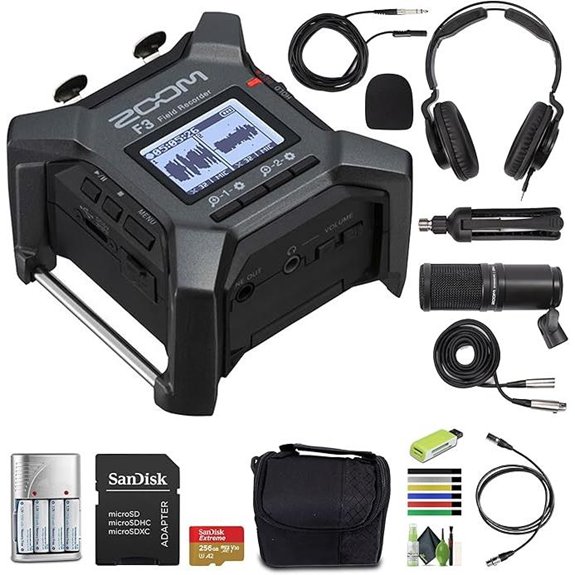 | Professional-Grade Recording | Recording Format: 32-bit float, BWF up to 192 kHz | Inputs: 2 XLR/TRS with phantom power | Storage: microSD up to 1TB | VIEW LATEST PRICE | See Our Full Breakdown |
| TASCAM 4-Channel Portable Audio Recorder for Videographers | 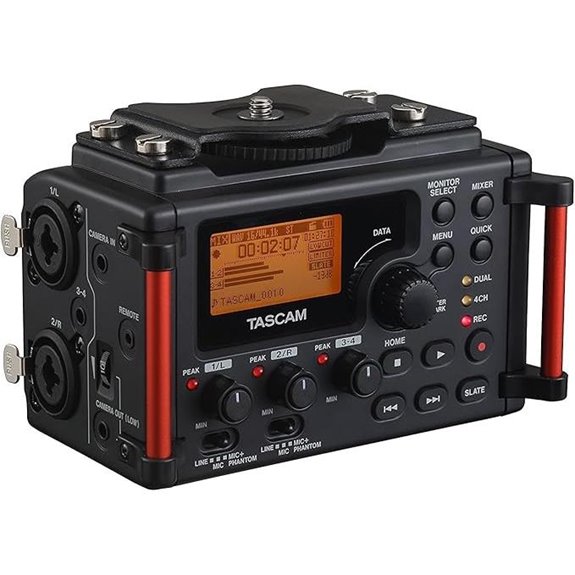 | Versatile Multi-Channel | Recording Format: WAV up to 96kHz/24-bit | Inputs: 2 XLR/TRS with phantom, 2 3.5mm | Storage: SDHC card | VIEW LATEST PRICE | See Our Full Breakdown |
| Zoom H1essential Stereo Recorder with X/Y Microphones | 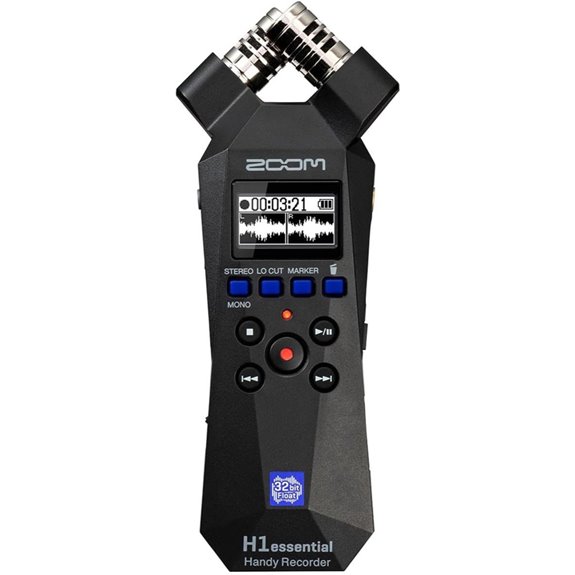 | Compact & User-Friendly | Recording Format: 32-bit float, up to 96kHz | Inputs: X/Y stereo microphones (built-in) | Storage: SD card | VIEW LATEST PRICE | See Our Full Breakdown |
More Details on Our Top Picks
Zoom F3 Field Recorder with Microphone Pack
If you’re looking for a reliable all-in-one solution for professional video shoots, the Zoom F3 Field Recorder with Microphone Pack is an excellent choice. It boasts 32-bit float recording technology and dual A/D converters, ensuring distortion-free, pristine audio across a wide dynamic range. Supporting high-resolution recordings up to 192 kHz in uncompressed BWF format, it captures every sound detail clearly. With two balanced XLR inputs, switchable +48V phantom power, and compatibility with various microphones, it’s versatile for studio or on-location use. Its microSD storage up to 1TB and multiple power options make it dependable in any environment.
- Recording Format:32-bit float, BWF up to 192 kHz
- Inputs:2 XLR/TRS with phantom power
- Storage:microSD up to 1TB
- Power Options:AA batteries, USB, AC adapter
- Portability:Handheld with included travel bag
- Use Cases:Field, interviews, video shoots
- Additional Feature:Wireless control capabilities
- Additional Feature:32-bit float recording technology
- Additional Feature:Includes comprehensive bundle (mic, accessories)
TASCAM 4-Channel Portable Audio Recorder for Videographers
The TASCAM DR-60DmkII stands out as an ideal choice for videographers who need reliable, high-quality multi-channel audio recording on the go. Its compact size and lightweight design let you mount it under DSLR rigs without bulk. It offers four channels—two combo XLR/TRS inputs with phantom power and two 3.5mm jacks—perfect for wireless mics or lavaliers. With upgraded HDDA preamps and a 96kHz/24-bit recording capability, it captures clean, professional sound. The intuitive 1.75-inch screen helps monitor recordings, while the sturdy build and battery power guarantee dependable use in various environments. Overall, it’s an excellent portable solution for capturing high-quality audio efficiently.
- Recording Format:WAV up to 96kHz/24-bit
- Inputs:2 XLR/TRS with phantom, 2 3.5mm
- Storage:SDHC card
- Power Options:4 AA batteries
- Portability:Compact, fits under DSLR rigs
- Use Cases:Video, multi-channel recording
- Additional Feature:4-channel simultaneous recording
- Additional Feature:Up to 96kHz/24-bit resolution
- Additional Feature:Built-in limiter and filters
Zoom H1essential Stereo Recorder with X/Y Microphones
The Zoom H1essential Stereo Recorder with X/Y Microphones stands out as an excellent choice for content creators who need professional-quality audio on the go. Its stereo 32-bit float recording guarantees perfect sound quality without the hassle of gain adjustments, and it can record up to 96kHz onto an SD card. The high-quality X/Y microphones handle sounds up to 120 dB SPL, capturing clear, natural audio. Plus, it functions as a USB microphone for PC, Mac, iOS, or Android devices via USB-C. Its compact design makes it perfect for musicians, podcasters, filmmakers, and content creators needing reliable, portable audio recording.
- Recording Format:32-bit float, up to 96kHz
- Inputs:X/Y stereo microphones (built-in)
- Storage:SD card
- Power Options:USB-C, AA batteries (implied portable use)
- Portability:Very portable, pocket-sized
- Use Cases:Music, podcasts, video content
- Additional Feature:USB microphone functionality
- Additional Feature:120 dB SPL microphone range
- Additional Feature:Audio guidance for visually impaired
Factors to Consider When Choosing a Field Audio Recorder for Video Shoots (Buyer Guide)
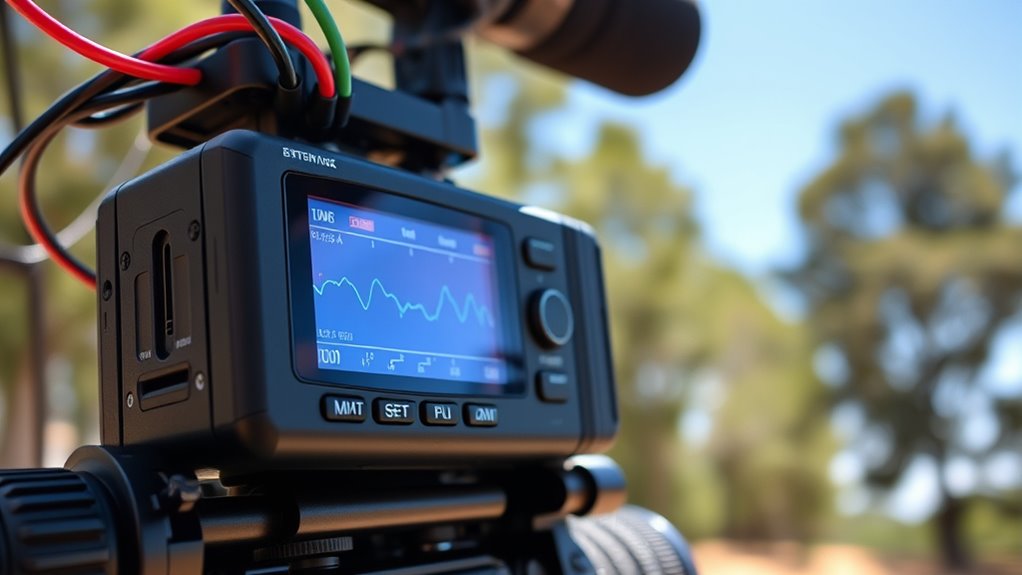
When choosing a field audio recorder, I focus on key factors like audio quality standards and input options to guarantee clear sound capture. I also consider recording formats, battery life, and storage capacity to meet the demands of my shoots. Understanding these points helps me pick the right recorder that fits my needs and workflow.
Audio Quality Standards
Choosing a field audio recorder that meets professional standards is vital for capturing clear and reliable sound during video shoots. Look for recorders supporting at least 24-bit/96kHz recording to guarantee high-resolution audio that’s crisp and detailed. 32-bit float technology is a game-changer, offering distortion-free audio and a broad dynamic range, which means less fussing over gain adjustments. Dual A/D converters help reduce noise and distortion, resulting in cleaner recordings. Supporting uncompressed formats like WAV or BWF is essential to preserve audio fidelity through post-production. Additionally, microphone compatibility matters—features like phantom-powered XLR inputs and high SPL handling allow for versatile recording in various environments. These standards ensure your audio quality is professional, reliable, and ready for any project.
Input Compatibility Options
Selecting a field audio recorder that offers the right input compatibility can make a significant difference in capturing high-quality sound. You’ll want to guarantee it has compatible input connectors like XLR, TRS, or 3.5mm jacks to match your microphones and sources. If you plan to use condenser microphones, check if the recorder supports phantom power, which is essential for powering those mics. It’s also important to verify the maximum input level and gain range to avoid distortion or clipping during loud recordings. Consider whether the device offers switchable inputs to handle different microphone types and standards. Lastly, look at the number of inputs and their configurations, especially if you need to support multiple microphones simultaneously for complex shoots. These factors ensure your setup remains versatile and reliable.
Recording Format Flexibility
A key factor in picking the right field audio recorder is its support for multiple recording formats, which guarantees compatibility with various post-production workflows. I look for models that support formats like WAV, BWF, or MP3, ensuring I can choose the best option for different projects. Uncompressed formats like WAV or BWF provide maximum audio quality, essential for professional shoots. Additionally, recording in 32-bit float format offers distortion-free audio with a wide dynamic range, reducing the need for manual gain adjustments. High-resolution sample rates, such as 96 kHz or 192 kHz, capture more detail and fidelity. Having flexible format options means I can seamlessly integrate with editing software now and adapt to future workflows, making my recordings more versatile and future-proof.
Power and Battery Life
Power and battery life are vital considerations when selecting a field audio recorder, especially for lengthy shoots in remote locations. I look for devices that support multiple power options like AA batteries, USB power, or AC adapters, ensuring I can keep recording without interruption. Checking the battery life specifications helps me confirm the recorder can run for several hours continuously, which is essential for long shoots. I also consider the device’s power consumption—more efficient units extend recording time on limited batteries. Features like auto-shutdown or low-battery alerts are handy to prevent unexpected power loss during essential moments. finally, I evaluate the availability and affordability of replacement batteries or power accessories to maintain reliable operation, especially when working far from service centers.
Storage Capacity Needs
Ever wondered how much storage you’ll need for your field recordings? The answer depends on your shoot’s duration and quality. For standard recordings, a 64GB card might suffice, but longer sessions or higher resolutions demand more space. Recording at 192 kHz in uncompressed formats consumes markedly more storage, so plan for larger capacity cards. MicroSD cards with 128GB or 256GB are ideal for extended interviews or multi-hour shoots. Keep in mind, recording multiple channels at high sample rates also boosts storage needs. To avoid running out of space, it’s smart to back up recordings regularly and carry extra microSD cards. Proper planning ensures your recordings remain uninterrupted, saving you time and frustration during critical moments.
Portability and Size
When choosing a field audio recorder, size and portability are essential factors that can make or break your shoot. A lightweight, compact device easily fits into a camera bag or rig without adding bulk, making transport and setup effortless. Smaller units allow discreet placement near the subject or camera operator, helping maintain a professional appearance and reducing visual interference. Consider the form factor—handheld, pocket-sized, or rack-mountable—to suit your filming environment. A compact design with minimal cables streamlines your setup and minimizes the risk of accidental disconnections or damage. Portability is especially important for outdoor or remote shoots, where carrying heavy equipment isn’t practical. Overall, choosing a recorder that’s easy to carry and unobtrusive can greatly improve your shooting experience.
Connectivity Features
Connectivity features are crucial because they determine how well your recorder integrates with your microphones and other equipment. Look for models with multiple input options like XLR, TRS, and 3.5mm jacks to handle various microphones and sources effortlessly. If you’re using condenser mics, verify the recorder supports phantom power (+48V). USB or wireless connectivity is also key, enabling remote control, firmware updates, or direct audio transfer to computers and mobile devices. Compatibility with popular recording software and the ability to function as a USB microphone can streamline your workflow, especially for live streaming or editing. Finally, check for balanced outputs or digital connections such as AES/EBU or S/PDIF, ensuring high-quality audio transfer to professional equipment. These features will maximize flexibility and sound quality for your shoots.
Budget Considerations
Choosing the right field audio recorder starts with understanding your budget and what features you truly need. Determine your price range to focus on models that offer the best value for your money. Higher-priced recorders typically include advanced features like 32-bit float recording, multiple channels, and superior preamps, which can enhance audio quality. Remember to factor in the costs of accessories such as microphones, batteries, and storage media, as these can add up quickly. It’s essential to balance your financial constraints with the core features necessary for your shoot, avoiding overspending on unnecessary options. Investing in a quality recorder upfront can also reduce post-production fixes, saving you time and money in the long run. Prioritize features that directly impact your audio needs within your budget.
Frequently Asked Questions
How Do Weather Conditions Affect Field Audio Recording Equipment?
Weather conditions can greatly impact my field audio recording equipment. Rain, for instance, can damage gear if it’s not properly protected, causing distortion or complete failure. Wind creates noise that’s tough to filter out, while extreme cold or heat can affect battery life and device performance. I always carry weather-resistant gear and use windshields to guarantee my recordings stay clear, no matter the weather.
Can These Recorders Connect to Wireless Microphones or External Sources?
Like a conductor guiding an orchestra, I can tell you that many modern field audio recorders do connect to wireless microphones and external sources. I always check the device’s inputs—XLR, 3.5mm, or digital—to verify compatibility. Some models even have built-in wireless receiver modules. So, with a little research, you’ll find a recorder that seamlessly integrates your wireless mics and external gear for flawless audio capture.
What Are the Best Accessories to Enhance Audio Quality in the Field?
To enhance audio quality in the field, I recommend using high-quality windshields and dead cats to reduce noise, especially outdoors. I also carry extra batteries and portable power sources to prevent interruptions. Using high-quality cables and adapters ensures clear signal transfer, while a good pair of headphones helps monitor sound in real-time. Ultimately, a sturdy shock mount minimizes handling noise, guaranteeing your recordings stay professional and crisp.
How Long Do Battery Lives Typically Last During Extended Shoots?
Did you know that during extended shoots, my field audio recorders usually last between 6 to 12 hours? It really depends on the model and how many features I’m using. I always carry extra batteries or a portable power bank to stay powered up. Planning for longer shoots means I check my recorder’s battery life beforehand and have backups ready, so I don’t miss a beat.
Are There Specific Storage Solutions Recommended for Large Audio Files?
I recommend using high-capacity SD cards or SSD drives for large audio files. They offer fast read/write speeds and reliable storage, essential during extended shoots. I always carry multiple backups and consider using external drives with rugged enclosures for extra protection. Cloud storage is also a good option if you have a stable internet connection, ensuring your files are safe and accessible for editing later.
Conclusion
Choosing the right field audio recorder is like selecting the perfect lens for your shot—it’s about clarity, precision, and capturing every detail. Whether you prefer the versatility of the Zoom F3, the portability of the TASCAM, or the simplicity of the Zoom H1essential, each one offers a unique way to bring your visuals to life. Trust your instincts, weigh your needs, and let your choice amplify your creativity, making every sound as vivid as the image in your mind.