
Creating dynamic content in your email templates lets you personalize your messages effectively, boosting engagement. You can use conditional content blocks to tailor both text and visuals based on customer data. This approach can lead to open rates increasing by 26% and greatly enhance transaction rates. By implementing tailored recommendations, event-triggered content, and location-based offers, your emails become more relevant. Plus, platforms that support dynamic content make it easier to automate this personalization at scale. There's so much potential here, and you'll discover even more strategies to elevate your email marketing.
Key Takeaways
- Gather and integrate customer data from CRM and e-commerce systems to inform dynamic content creation.
- Choose an email marketing platform that supports conditional content blocks for personalized messaging.
- Utilize A/B testing to refine dynamic email variations and identify the most effective content.
- Leverage analytics to monitor performance metrics and continuously optimize dynamic email strategies.
- Implement personalized product recommendations and visuals to enhance customer engagement and satisfaction.

AI Content and Campaign Automation for Solo Entrepreneurs: Save Time, Repurpose Faster, and Run Smarter Marketing Systems Without a Team (AI Toolkit For Online Marketers Book 18)
As an affiliate, we earn on qualifying purchases.
Understanding Dynamic Email Content
Dynamic email content is revolutionizing how brands connect with their audiences. By adapting marketing messages based on customer data, it creates personalized experiences that resonate with individual preferences and behaviors. This innovation allows you to craft email marketing campaigns that aren't only relevant but also compelling.
With the use of conditional content blocks, you can tailor messages and visuals to match the recipient's past interactions, greatly increasing engagement. Implementing effective email marketing strategies can further enhance your outreach efforts.
Imagine sending personalized emails that make your audience feel understood and valued. Statistics show that personalization can lead to a 26% increase in open rates, as 80% of consumers prefer customized experiences. By utilizing real-time information and behavioral triggers, you can keep your messages timely, urging recipients to act—whether that's making a purchase or RSVPing to an event.
Moreover, dynamic email content enables you to automate personalization at scale, enhancing the customer journey while improving brand loyalty. As you implement these strategies, you'll find that your transaction rates can soar, with personalized emails achieving up to 6x higher results.
Embrace dynamic content to elevate your email marketing efforts and foster meaningful connections with your audience.
Benefits of Personalization
Personalization in email marketing goes beyond just adding a name to the subject line. When you utilize personalized emails, you're tapping into a powerful strategy that greatly enhances your email campaigns.
Research shows that personalized content can boost open rates by 26%, capturing your audience's attention more effectively. In fact, incorporating tailored recommendations has proven to enhance customer satisfaction and drive engagement, similar to the benefits seen in avoiding Gold IRA scams through careful research and personalization.
Moreover, 80% of consumers prefer tailored experiences, demonstrating a clear demand for dynamic email content. When you incorporate personalized product recommendations, you not only improve the customer experience but also drive transaction rates that are six times higher than those of non-personalized emails.
The benefits of dynamic email don't stop there; personalized loyalty program communications foster higher engagement and retention rates, transforming one-time purchasers into loyal customers.
Additionally, reports indicate a staggering 174% revenue increase from personalized new arrivals emails, showcasing the financial advantages of effective personalization.
Types of Dynamic Content
In today's digital landscape, leveraging various types of dynamic content can greatly enhance your email marketing efforts. By incorporating dynamic email content, you can deliver highly personalized experiences that resonate with your recipients. Here are some key types to take into account:
| Type of Dynamic Content | Description | Benefits |
|---|---|---|
| Personalized Text | Address recipients by name and tailor messages. | Increases relevance and connection. |
| Visuals | Change images based on customer profiles. | Captures attention and aligns with interests. |
| Product Recommendations | Suggest items based on previous purchases. | Boosts sales through relevance. |
| Event-Triggered Content | Send timely messages for birthdays or actions. | Enhances engagement and interaction. |
| Location-Based Content | Deliver promotions based on geographic location. | Makes offers more relevant to recipients. |
Real-World Examples
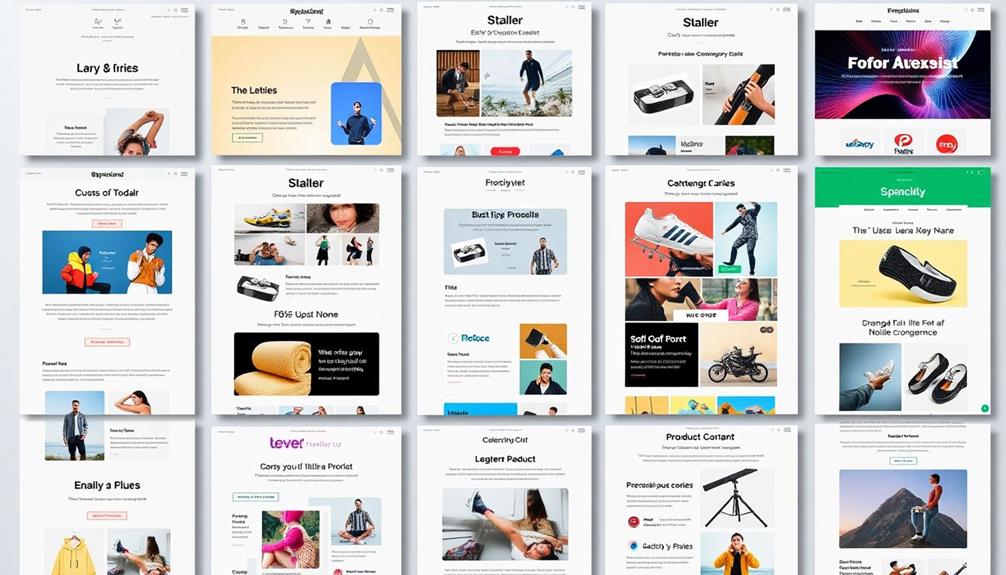
When you look at successful email marketing campaigns, it's clear that many brands excel at using dynamic content to engage their audiences.
For instance, Netflix leverages dynamic email content by recommending shows based on individual viewing history, which helps improve engagement and retention rates. Similarly, Amazon personalizes customer emails by utilizing customer browsing and purchase history, suggesting tailored product recommendations that lead to enhanced conversion rates.
Understanding your financial health is also essential when considering how to allocate resources for effective marketing campaigns.
Spotify takes a different approach by curating playlists in emails based on users' listening habits, fostering a deeper connection and encouraging continued platform usage.
OpenTable also shines with personalized dining recommendations based on users' previous dining activity and geographical location, ensuring they deliver relevant content every time.
Best-in-class examples like Kate Spade utilize click-based profiling to tailor content in emails. This strategy results in notably higher engagement and click-through rates, showcasing how effectively personalized email can drive results.
Setting Up Dynamic Emails

To set up dynamic emails effectively, you need to start by gathering and integrating customer data from various sources like your CRM and e-commerce systems. This data is vital for creating personalized customer emails that resonate with your audience, which is essential for maximizing best ways to earn online.
Next, choose an email marketing platform that supports dynamic content features, such as Klaviyo or Mailchimp. These platforms allow you to design flexible email templates using dynamic content blocks, enabling you to tailor messages based on recipient preferences.
Implementing A/B testing is important for evaluating different variations of your dynamic email content. By analyzing engagement metrics, you can identify which messages perform best and refine your approach.
Don't forget to leverage analytics to continuously optimize your dynamic email strategies. Monitoring performance metrics will help you enhance overall effectiveness and boost customer satisfaction.
Frequently Asked Questions
How Do I Create a Dynamic Email Template?
To create a dynamic email template, choose an email marketing platform that supports personalization. Use customer data and conditional logic to customize content, and test variations to improve engagement and conversion rates effectively.
Can You Explain How Dynamic Content or Personalization Is Used Within Segmented Email Campaigns?
Imagine painting a canvas tailored to each viewer. In segmented email campaigns, you craft personalized messages that resonate, using customer data to enhance relevance, boost engagement, and transform casual readers into loyal customers enthusiastic to connect.
How to Use Dynamic Content in Emails?
To use dynamic content in emails, you'll personalize messages based on recipient data. Implement conditional logic, tailor subject lines, and include relevant recommendations to boost engagement and drive higher transaction rates effectively.
What Is the Difference Between Personalization and Dynamic Content?
Imagine opening an email that speaks directly to you. Personalization crafts messages just for you, while dynamic content shifts elements for different groups. Both enhance engagement, but they cater to unique approaches and audiences.
Conclusion
In a world where every inbox matters, embracing dynamic content in your email templates isn't just smart—it's essential. You can transform your communications from generic to genuinely engaging, making each recipient feel like the message was crafted just for them. As you set up dynamic emails, remember: personalization scales, and with it, your connection deepens. So, why settle for ordinary when you can create extraordinary? Immerse yourself, and watch your engagement soar!