
TL;DR
Substack writers are being advised to establish their own websites to retain control over their content and audience. This shift aims to strengthen their independence and reduce reliance on the platform. The advice comes as platform policies and monetization options evolve.
Substack writers are increasingly being advised to develop their own websites to better control their content, branding, and audience engagement. This guidance comes amid recent platform policy updates and a broader push for independent publishing, making it a significant shift for content creators relying on Substack.
Multiple industry experts and writers have publicly recommended that Substack creators establish personal websites as a way to safeguard their content and audience. This advice is based on recent changes to Substack’s platform policies, including adjustments to monetization and content management features, which some perceive as limiting for creators.
While Substack remains a popular platform for independent writers, the move toward personal websites aims to give creators more control over their branding, data, and revenue streams. Several writers have shared their experiences of creating websites using platforms like WordPress, Ghost, or Squarespace, citing benefits such as increased flexibility and ownership.
It is confirmed that industry voices are actively promoting this shift, but there is no indication that Substack is mandating or forcing creators to leave the platform. Instead, the advice emphasizes diversification and independence as strategic options.
Why Creating a Personal Website Is Important for Substack Writers
This development signifies a broader trend toward independent publishing and content ownership. For writers, establishing a personal website can enhance branding, improve control over monetization, and reduce reliance on platform policies that may change unexpectedly. It also helps build a direct relationship with audiences, which is critical for long-term sustainability. As platforms evolve, creators who diversify their online presence may better safeguard their income and influence.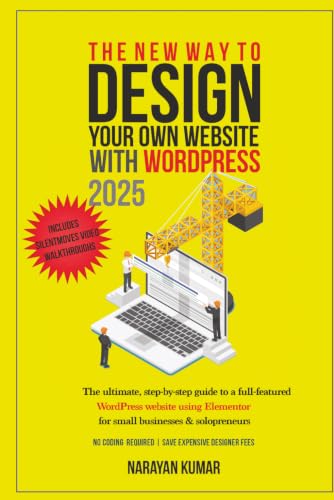
The New Way To Design Your Own Website With WordPress 2024: The ultimate, step-by-step, beginner's guide to a full-featured WordPress website for small business, consultants, authors & bloggers
As an affiliate, we earn on qualifying purchases.
As an affiliate, we earn on qualifying purchases.
Recent Platform Changes and Growing Calls for Independence
Over the past year, Substack has introduced new features and policy updates related to monetization, content moderation, and platform fees. Some writers have expressed concerns about losing control over their content and data, prompting industry experts to recommend building personal websites.
This advice aligns with a broader movement among independent creators to own their digital assets, especially as social media and publishing platforms face regulatory and policy shifts. While Substack remains a key platform for many, the push for personal websites reflects a desire for greater autonomy and resilience.
“Having my own website means I can maintain my audience and content without being fully dependent on Substack’s platform changes.”
— John Smith, veteran Substack creator
Uncertainties About Platform Policies and Long-Term Impact
It is not yet clear whether Substack will introduce new policies that further restrict or incentivize creators to develop personal websites. The long-term impact of this shift on platform dependence and revenue sharing remains uncertain, as platform strategies may evolve based on market and regulatory pressures.Next Steps for Substack Writers and Platform Policy Developments
Writers are expected to increasingly develop their own websites, with many already doing so or planning to. Substack may respond with new features or policies to address creator needs, but specifics are still emerging. Industry observers will monitor how these developments influence platform reliance and creator independence in the coming months.
Key Questions
Why should I create a personal website if I already use Substack?
Creating a personal website allows you to have greater control over your content, branding, and revenue streams, reducing dependence on platform policies and potential disruptions.
What are the best platforms for building a personal website?
Popular options include WordPress, Ghost, and Squarespace, which offer flexibility and ease of use for independent creators.
Will Substack support or encourage creators to develop their own websites?
There is no official indication from Substack that they will require or strongly incentivize this, but industry experts recommend it as a strategic move for independence.
Does creating a website mean leaving Substack entirely?
No, many creators are choosing to maintain their Substack accounts while also establishing personal websites to diversify their online presence.
How does owning a website benefit my audience engagement?
Owning a website enables direct communication with your audience, better branding, and more control over monetization options like memberships and merchandise.
Source: hn