📊 Full opportunity report: Book Home Service Jobs With An AI-Powered Phone Line on IdeaNavigator AI — validation score, market gap, and execution plan.

Get business pricing on office and shipping supplies
- Business-only prices and quantity discounts
- Tax-exempt purchasing
- Multiple users, one account, clear invoices
TL;DR
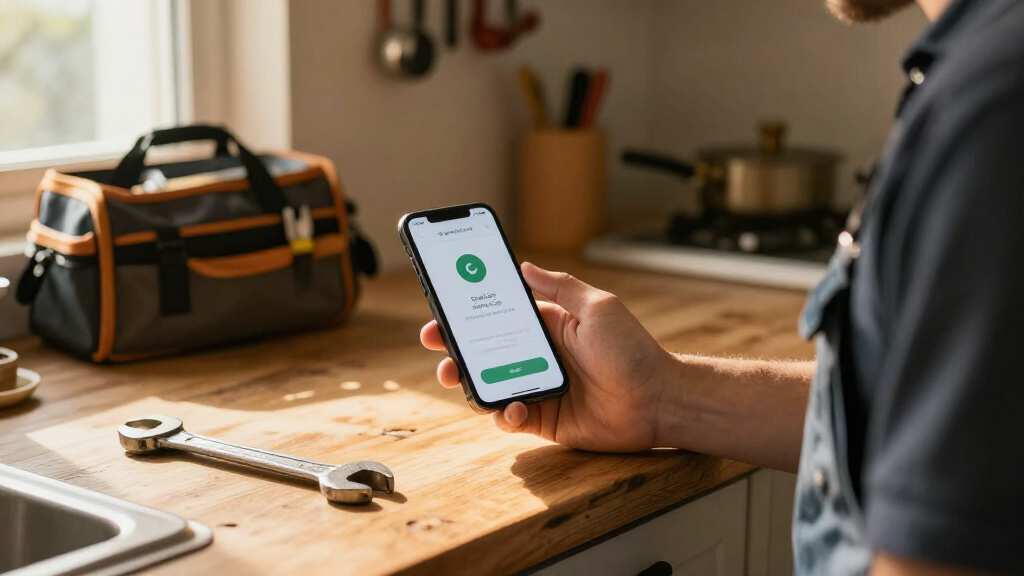
A proposal from IdeaNavigator AI outlines an AI phone line for plumbing, HVAC and electrical businesses that could take customer details, schedule jobs and alert owners. The idea is framed as a small pilot, not a proven service: its ability to book work reliably and deliver value has not yet been established.
IdeaNavigator AI has proposed a one-month test of an AI-powered phone line for plumbing, HVAC and electrical businesses, aimed at answering calls owners miss while working on jobs. The proposed service would collect job details, book appointments and send the owner a summary, but no test results or operating service are documented in the available proposal.
The concept targets owner-operated trade businesses whose owners may be unable to answer while under a sink, on a roof or otherwise working at a job site. The proposal argues that a missed inbound call may lead a prospective customer to contact another contractor. It does not provide measured call volumes, missed-call rates or evidence that callers routinely book with a competitor after an unanswered call.
The suggested minimum product would answer calls using a natural-sounding voice, ask about the problem, service address and urgency, then schedule work on the business calendar or through software such as ServiceTitan or Jobber. It would also text the owner a call summary and connect emergency callers to a person. These are proposed features, not capabilities shown to have been deployed or tested.
The proposed pricing combines a flat monthly fee per phone line with a charge for each booked job. To test demand, the proposal recommends forwarding after-hours calls for five shops over one month and tracking jobs booked that the businesses believe they otherwise would have missed. It suggests comparing the service’s cost with each shop’s average ticket, but supplies no pricing, pilot participants or results.
Book Home Service Jobs With an AI Phone Line
IdeaNavigator AI proposes a phone line to capture service calls, schedule jobs and alert owners. The service is untested, so its reliability and business value remain unknown.
What the line would do
The proposed workflow focuses on calls an owner may miss while working or after hours.
Ask about the problem, service address and urgency.
Schedule work on the business calendar or software such as ServiceTitan or Jobber, then text the owner a call summary.
Connect emergency callers to a person; escalation safeguards are not specified.
Who it targets
The idea is aimed at owner-operated trades where answering during a job can be difficult.
Capture service requests
Collect the issue and address while the owner is on a job.
Schedule routine work
Keep prospective customers engaged without requiring the owner to stop working.
Route urgent calls
The proposal says emergencies would be connected to a person.
How the pilot would measure value
The proposed test forwards after-hours calls and counts jobs owners believe they would otherwise have missed.
What remains unproven
The proposal documents no operating service, participating shops or completed trial results.
- Monthly fee per phone line plus a charge per booked job.
- AI intake, appointment scheduling and owner summaries.
- Actual prices, reliability data or cost comparisons.
- Whether bookings are truly recovered, completed or profitable.
A Test for Missed Trade Calls
If the concept works as described, it could give small trade businesses a way to capture some calls without hiring a person to answer around the clock. For an owner in the middle of a job, a system that gathers enough information and schedules routine work could reduce interruptions while keeping a prospective customer engaged.
The potential business case depends on more than answering the phone. The system would need to understand callers accurately, book appointments that fit the shop’s actual availability and route urgent situations safely. A booked appointment is not automatically completed or profitable work; the pilot would need to distinguish appointments attributable to the service from calls that would have converted anyway. Without those measurements, the proposed monthly and per-booking fees cannot be judged against the value delivered.
Popular right now

Ninja Foodi 8-Qt DualZone 6-in-1 Air Fryer, Grey (DZ201)

Bose QuietComfort Headphones (2nd Gen), Wireless Over-Ear Noise-Cancelling Headphones, Black

KitchenAid 5.5-Quart Bowl-Lift Stand Mixer, Porcelain White
As an affiliate, we earn on qualifying purchases.
Why After-Hours Calls Are the Test
The proposal focuses on calls received while a business owner is busy or outside working hours, rather than pitching a general-purpose voice assistant. That narrow scope matters because taking a structured service request and setting an appointment are more limited tasks than handling every customer question or making technical judgments about a repair.
IdeaNavigator AI says voice AI reached a reliability threshold for structured intake calls in 2025–2026 and argues that the technology could make 24-hour answering less costly than a human answering service. The proposal provides no reliability data, cost comparisons or named service providers to substantiate that assessment. It should be treated as the rationale for testing the idea, not as an independently verified finding.
Pilot Results Are Not Available
No participating shops, launch date, call recordings, booking figures or customer feedback are identified. The proposal does not establish how accurately an AI system could collect addresses and job details, distinguish emergencies, handle callers who want a person, or manage scheduling conflicts. It also does not state what safeguards or escalation rules would apply when a call suggests an urgent safety risk.
The claimed affordability advantage over human answering is unquantified, and no monthly or per-booking price is given. It is also unclear how a pilot would decide whether a job was truly recovered rather than merely booked through a different channel. Those details will determine whether the idea is useful and commercially viable.
Measure Calls Before Scaling
The next step proposed is to run the service with five trade businesses for one month, forwarding after-hours calls and counting appointments attributed to calls the owners would otherwise have missed. A useful report would also track unanswered or misrouted calls, booking accuracy, emergency escalations, cancellations and the costs charged to each shop.
No such trial is confirmed as underway, and no launch or follow-up date is provided. Until results and operating details are published, the AI phone line remains a proposed workflow for testing—not evidence that automated answering can reliably replace or outperform a human service.
Source: IdeaNavigator AI
Key Questions
What would the AI phone line do?
The proposed line would answer customer calls, ask about the issue, address and urgency, book an appointment, text the owner a summary and escalate emergencies to a person. These functions have not been confirmed through a reported deployment.
Which businesses is the idea aimed at?
It is aimed at owner-operated plumbing, HVAC and electrical businesses that may miss calls while the owner is working on a job.
Has the service been tested?
No completed trial or results are provided. IdeaNavigator AI proposes a one-month pilot with five shops, but does not say that it has begun.
How would the service be priced?
The proposed model is a monthly fee for each phone line plus a charge for each booked job. No actual prices or cost comparisons are specified.
Source: IdeaNavigator AI