📊 Full opportunity report: Could An AI Check-In Call Ease Worries For Family Caregivers? on IdeaNavigator AI — validation score, market gap, and execution plan.

Get business pricing on office and shipping supplies
- Business-only prices and quantity discounts
- Tax-exempt purchasing
- Multiple users, one account, clear invoices
TL;DR
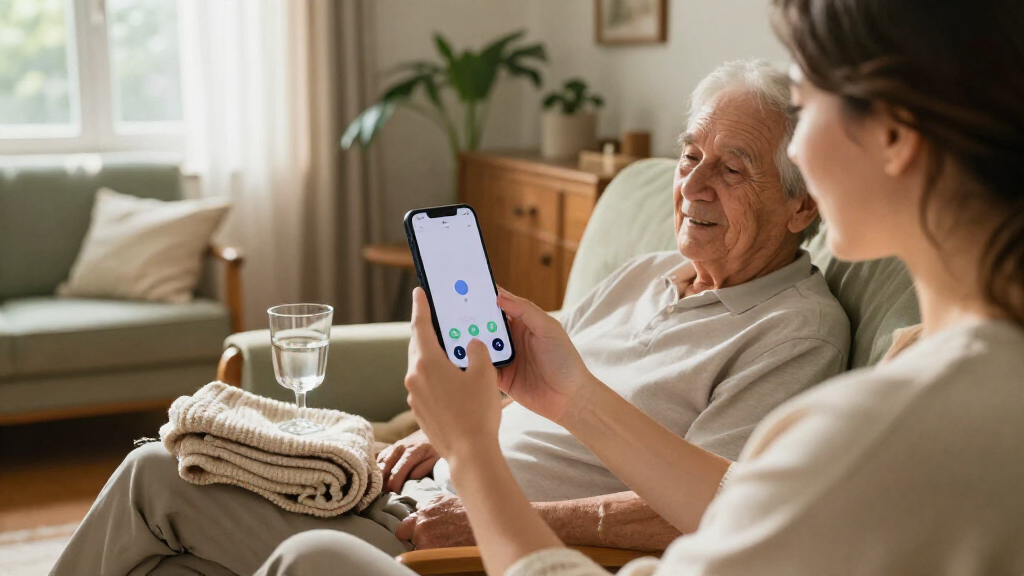
IdeaNavigator AI has proposed testing scheduled AI phone calls as a daily check-in for seniors living alone, with text alerts to an adult child if a call is missed or raises concern. The suggested pilot would involve 15 senior-and-family pairs for three weeks; no trial results, product launch or evidence of effectiveness are reported.
IdeaNavigator AI has proposed a three-week test of scheduled artificial-intelligence phone calls for seniors living alone, with a text to a family member if a call is missed or produces a concerning response. The concept is aimed at adult children who live in another city and want a routine check on an independent parent, but no pilot results or evidence that the calls improve safety have been reported.
The proposed service would place a short daily call to a senior’s landline or mobile phone, ask a few wellness questions and send the adult child a simple all-clear or a flag. The outline does not specify the questions, how the system would judge a response to be concerning, or what action a family should take after receiving an alert.
IdeaNavigator AI describes the intended customer as an adult child with an independent parent living alone in another city. The service would be sold through a monthly subscription billed to the adult child. That is a proposed business model, not evidence of an existing product, set price or established customer demand.
To test the idea, the proposal recommends enrolling 15 senior-and-adult-child pairs for three weeks. It identifies call answer rates and whether families consider the all-clear alerts worth paying for as measures to track. No enrollment, trial schedule, participant feedback or results are supplied.
A Routine Check, Not Emergency Care
A scheduled call could give families a regular signal that a parent answered and responded, particularly when distance or busy schedules make daily personal calls difficult. A missed call or concerning answer might prompt a relative to check in sooner than they otherwise would. That is the intended benefit of the proposal, not a demonstrated outcome.
The distinction matters because a phone check-in is not the same as monitoring a person’s location, detecting a fall or contacting emergency services. The outline does not describe any such capabilities. A successful call can indicate that someone answered at that moment, but it cannot establish that the person is safe for the rest of the day or that a health problem has not occurred.
The service also depends on families understanding what an alert means and what response is expected. If a missed call reflects a dead phone, a changed routine or a person choosing not to answer, the alert could prompt unnecessary concern. If a serious issue goes unrecognized by a brief conversation, reliance on an all-clear could create false reassurance. The proposed test’s measures address participation and perceived value, but do not by themselves establish safety or clinical benefit.
Popular right now

De'Longhi Stilosa Compact Manual Espresso Machine with Milk Frother

TCL 85 Designer Series QD-Mini LED TV (Model 85A400U) with Google Smart TV

Sony WH-1000XM6 Wireless Noise-Canceling Over-Ear Headphones, Blue, Bundle
As an affiliate, we earn on qualifying purchases.
How the Proposed Pilot Would Work
The concept is framed as a narrow first test for aging-in-place support, rather than a broad replacement for family contact or professional care. It focuses on a specific gap: a relative living at a distance may not be able to call every day, and an unexpected fall or difficult day could go unnoticed until someone makes contact.
IdeaNavigator AI argues that natural-sounding voice technology can now support short automated calls on landlines or mobile phones and could make the check-ins affordable at scale. That is the proposal’s rationale; no cost analysis, technology performance data or comparison with existing check-in services is provided. Whether older adults would find an automated caller comfortable, clear and easy to use remains to be tested.
The suggested three-week pilot is an early validation exercise. Tracking whether calls are answered and whether families would pay for alerts could reveal basic usability and demand. With 15 pairs and a short observation period, however, it would not establish how the service performs across a wider population or over time.
Safety, Consent and Alert Rules
No evidence of effectiveness is available in the proposal: it reports no completed trial, answer rate, user feedback or willingness-to-pay findings. It is also unclear how the AI would handle a confusing answer, an unanswered call, a request for help, or a conversation in which the senior cannot communicate clearly.
The outline does not explain how seniors would give informed consent, how call recordings or other personal information would be handled, or whether the system would store conversations. It gives no details on human review, escalation procedures, emergency response or safeguards against a failed call being mistaken for proof of a problem. Pricing, accessibility for people with hearing or cognitive impairments, and the service’s reliability across different phone networks are also unspecified.
Pilot Results Would Test Demand
The next step described is a three-week pilot with 15 senior-family pairs. If carried out, it could show whether participants answer routine calls and whether adult children find the alerts useful enough to pay for. No launch date, enrollment details or later development plans have been announced in the proposal.
Any assessment would also need to distinguish convenience and reassurance from measured safety outcomes. Readers should look for reported participation, missed-call handling, participant consent and privacy practices, and how alerts are acted on before treating the concept as a dependable care tool. Until those details and results are available, the service remains an idea to test rather than an established solution.
Source: IdeaNavigator AI
Key Questions
Is an AI check-in service already available?
The proposal describes a service concept and a possible pilot. It does not report a product launch or say that a service is currently operating.
What would the calls do?
The proposed system would make a scheduled daily phone call, ask a few wellness questions and text an adult child an all-clear or a flag after a missed or concerning call. The exact questions and alert rules are not specified.
Has the proposed pilot produced results?
No. The outline recommends a three-week test with 15 senior-and-adult-child pairs but provides no trial dates, participant information or findings.
Would the calls detect falls or replace emergency care?
The proposal does not describe fall detection, emergency dispatch or a replacement for family or professional care. A check-in call alone cannot confirm a person’s safety throughout the day.
How would the service be paid for?
The suggested model is a monthly subscription paid by the adult child for each parent. No price or evidence of willingness to pay is reported.
Source: IdeaNavigator AI