
TL;DR

Get business pricing on office and shipping supplies
- Business-only prices and quantity discounts
- Tax-exempt purchasing
- Multiple users, one account, clear invoices
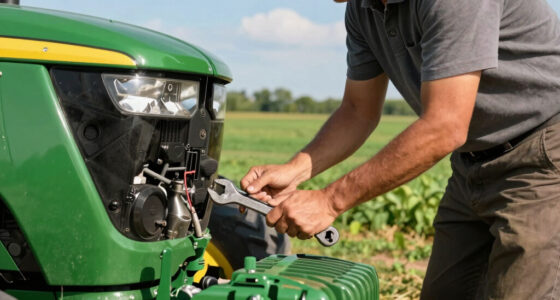
The FTC has reached a settlement requiring John Deere to allow owners and independent repair shops to access necessary parts and information. This change aims to enhance repair rights and reduce dependency on Deere’s authorized services. The agreement is a major development in the right-to-repair movement.
The Federal Trade Commission (FTC) has reached a settlement with John Deere requiring the company to grant owners and independent repair shops access to parts, tools, and repair information for its agricultural equipment. This agreement marks a major shift in Deere’s repair policies and aims to promote fairer access for consumers and third-party repair providers.
The settlement, announced on March 2024, obligates John Deere to provide necessary parts, diagnostic tools, and repair information to owners and independent repair shops, ending practices that limited repair options to authorized dealers. The FTC stated that Deere’s previous policies were restrictive and hindered consumers’ ability to repair their equipment affordably and efficiently.
According to the FTC, the settlement was reached after investigations into Deere’s repair policies, which included restrictions on access to repair manuals and proprietary diagnostic tools. Deere has agreed to implement these changes without admitting fault. The agreement is part of a broader effort to support the right-to-repair movement, which advocates for consumers’ ability to fix their own devices and equipment.
Implications for Agricultural Equipment Repair Rights
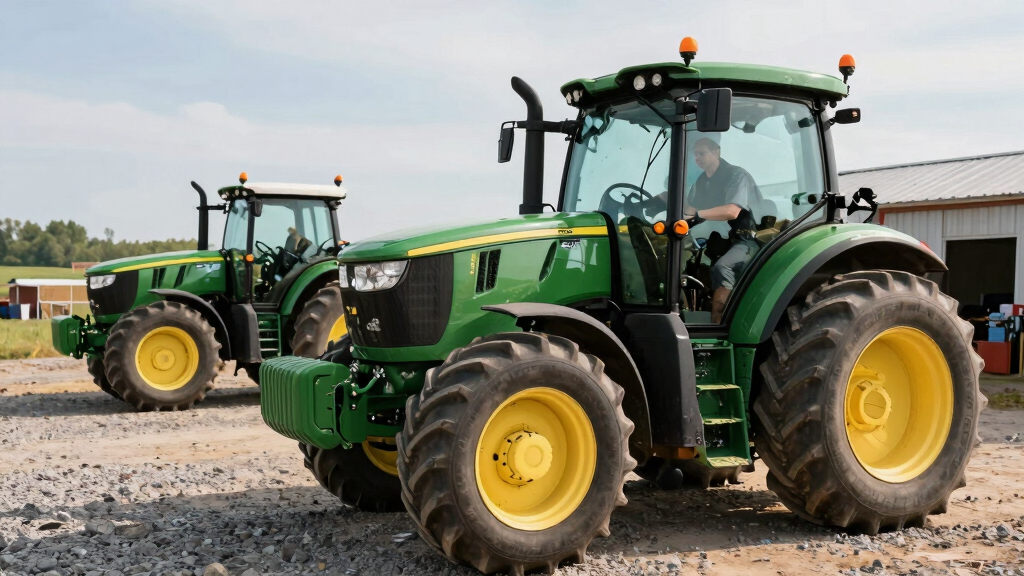
This settlement is a landmark development in the right-to-repair movement, especially for farmers and agricultural businesses relying on Deere equipment. It could set a precedent for other equipment manufacturers to follow suit, potentially leading to more competitive repair markets and reduced costs for consumers. The move also addresses longstanding frustrations among owners who previously faced limited options for repairs, often resulting in higher costs or delays.
Industry experts see this as a step toward greater consumer autonomy and a challenge to the traditional manufacturer-controlled repair model. However, some analysts question whether Deere will fully comply or how the changes will be implemented in practice.
As an affiliate, we earn on qualifying purchases.
Background on Deere’s Repair Policies and FTC Actions
For years, John Deere and other equipment manufacturers have faced criticism for restricting access to repair parts, manuals, and diagnostic tools, which limited repairs to authorized dealers. This approach has been criticized for increasing costs and delaying repairs for farmers and independent mechanics.
The FTC has previously taken action against similar practices in the electronics and vehicle sectors, citing anti-competitive behavior. The current settlement follows a series of investigations into Deere’s repair restrictions, which gained attention through legal challenges and advocacy campaigns by consumer rights groups.
In 2022, Deere faced a class-action lawsuit alleging unfair repair restrictions, which contributed to the FTC’s decision to pursue a settlement. The company’s previous policies included requiring proprietary software and limiting access to repair manuals, which the FTC argued was unfair to consumers and repair providers.
“We are committed to providing our customers with reliable service options and are reviewing the settlement to ensure compliance.”
— John Deere spokesperson
Details of Implementation and Compliance Remain Unclear
It is not yet clear how John Deere will implement these policy changes in practice or how quickly access to parts and information will be granted. The specifics of the process, including any costs or restrictions for independent repair shops, remain to be clarified. Additionally, it is uncertain whether Deere will fully comply or if further legal or regulatory actions could follow.
Monitoring Deere’s Compliance and Broader Industry Impact
The FTC will oversee Deere’s implementation of the settlement, with ongoing reviews expected over the coming months. Farmers, independent repair shops, and consumer advocacy groups will likely monitor Deere’s compliance closely. The settlement may also influence other manufacturers to revisit their repair policies, potentially leading to broader changes across the industry.
Key Questions
What specific changes will John Deere make under the settlement?
Deere will provide owners and independent repair providers access to parts, diagnostic tools, and repair information necessary to service equipment, ending previous restrictions that limited repairs to authorized dealers.
When will these new repair rights take effect?
The settlement was announced in March 2024, and Deere has indicated it will begin implementing the changes shortly afterward, though full compliance timelines are still being clarified.
Will this affect the cost of repairs for farmers?
Potentially, yes. Greater access to parts and information could lead to lower repair costs and faster turnaround times, but the exact impact will depend on how Deere and repair providers implement the new policies.
Could other equipment manufacturers follow Deere’s lead?
It is possible. The settlement sets a precedent that could encourage other companies to adopt similar policies, especially amid increasing regulatory and consumer pressure for repair rights.
What are the main concerns or criticisms of this settlement?
Some critics worry that Deere may not fully comply or that the changes might be limited in scope. Others argue that the settlement does not address broader issues of software restrictions and digital lockouts.
Source: hn
Halloween Picks
halloween
As an affiliate, we earn on qualifying purchases.