To increase time on page and reduce bounce rates, use targeted email campaigns that personalize content based on your visitors’ interests and behaviors. Send timely emails with relevant offers, blog posts, or videos that encourage engagement and guide users back to your site. Test different subject lines and layouts to find what works best for your audience. Implementing these strategies can turn your email efforts into a powerful tool for longer visits; discover more ways to optimize your approach.
Key Takeaways
- Personalize emails with recipient names and relevant content to boost engagement and encourage longer site visits.
- Incorporate links to engaging blog posts, videos, or interactive tools to extend time on webpage.
- Use A/B testing for subject lines, content, and timing to optimize open rates and on-site engagement.
- Send emails at optimal times when recipients are most active to increase click-through rates and reduce bounce.
- Align email content with website experience to create a seamless transition and reduce bounce rate.
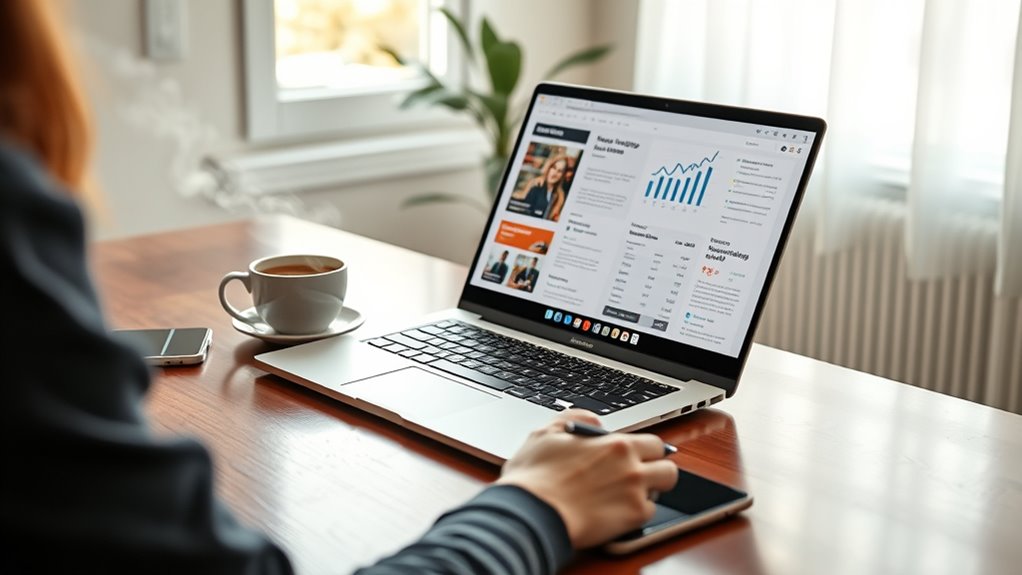
Are your email campaigns falling flat when it comes to engaging your audience? If so, it’s time to rethink your approach and focus on strategies that directly influence how long visitors stay on your site and how often they bounce away. One of the most effective ways to do this is by leveraging personalization strategies within your emails. When your messages feel tailored to your recipients’ interests, preferences, and behaviors, they’re more likely to click through and stay engaged once they land on your page. Personalization can include addressing recipients by name, recommending products based on past purchases, or customizing content to match their browsing history. These tactics make your emails feel relevant, which increases the chances they’ll lead to longer on-site sessions. Incorporating content relevance into your campaigns can further enhance engagement and retention.
Personalized emails increase engagement and boost the time visitors spend on your website.
But personalization alone isn’t enough; you also need to continuously refine your email campaigns through A/B testing. This method involves creating two versions of an email—differing in a specific element such as subject line, call-to-action, or layout—and sending each to a small segment of your audience. By analyzing which version performs better in terms of open rates and click-throughs, you gather valuable insights into what resonates most. Applying these learnings helps you craft future emails that are more compelling, ultimately encouraging recipients to click through to your website and stay longer once they arrive. A/B testing isn’t a one-time activity; it’s a continuous process that fine-tunes your messaging and design based on real data, ensuring your campaigns remain effective and relevant.
To maximize engagement, you should also focus on creating email content that entices recipients to click and stick around. Clear, concise copy paired with strong visuals can draw attention and guide users toward your desired actions. When people find your emails interesting and useful, they’re more likely to visit your site and explore further, reducing bounce rates. Additionally, consider including links to engaging content, such as blog posts, videos, or interactive tools, which can keep visitors engaged longer once they arrive. Incorporating social proof, like reviews or testimonials, also builds trust and encourages deeper exploration.
Finally, don’t forget the importance of timing. Sending your emails at ideal times when your audience is most active increases the likelihood they’ll open and engage. Combine this with personalization strategies and A/B testing, and you’ll develop a powerful system that not only boosts click-through rates but also helps visitors spend more time on your site. This integrated approach ultimately reduces bounce rates and enhances overall engagement, turning your email campaigns into a critical driver of website performance.
AI Email Marketing Secrets: Write, Send, and Convert Automatically (AI Marketing Revolution)
As an affiliate, we earn on qualifying purchases.
As an affiliate, we earn on qualifying purchases.
Frequently Asked Questions
How Do I Segment My Email List for Better Engagement?
You should implement segmentation strategies by dividing your email list based on demographics, behavior, and preferences. Use dynamic content to personalize messages for each segment, increasing relevance and engagement. This approach helps you send targeted offers or information, encouraging recipients to stay longer on your page. Continuously analyze your segments’ performance and refine your strategy to maximize engagement, boost time on page, and reduce bounce rates effectively.
What Metrics Best Indicate Email Campaign Success?
You should focus on click-through metrics and conversion rates to gauge your email campaign success. High click-through rates show your audience finds your content engaging, while strong conversion rates indicate they take desired actions, like making a purchase or signing up. Monitoring these metrics helps you refine your strategies, ensuring your emails effectively drive traffic, increase time on page, and reduce bounce rates.
How Often Should I Send Emails to Optimize Engagement?
You should send emails based on your audience’s engagement timing, typically 1-2 times a week, to optimize engagement. Find the sweet spot for email frequency by monitoring your metrics; too many emails can cause unsubscribes, while too few might reduce interest. Test different intervals, analyze open rates, and adjust accordingly to keep your audience engaged without overwhelming them.
What Design Elements Increase Email Click-Through Rates?
Imagine your email as a vibrant storefront; the right design elements draw eyes and invite clicks. You should use a clear visual hierarchy to guide readers effortlessly, highlighting key messages. Incorporate color psychology by choosing hues that evoke emotions and actions, like red for urgency or blue for trust. Clean, mobile-friendly layouts with compelling images and prominent call-to-action buttons boost click-through rates, turning casual readers into engaged customers.
How Can I Personalize Emails Without Sounding Generic?
You can personalize emails effectively by leveraging personalization techniques like addressing recipients by name and tailoring content to their interests or behaviors. Use an authentic email tone that feels conversational and genuine, avoiding overly salesy language. Incorporate dynamic content blocks that change based on user data, making each message relevant. This approach helps you sound less generic, builds trust, and keeps your audience engaged longer on your site.

Airline Transport Pilot Test Prep 2025-2026: Paperback plus software―pass your FAA exam (ASA Test Prep Series)
As an affiliate, we earn on qualifying purchases.
As an affiliate, we earn on qualifying purchases.
Conclusion
So, next time you send out that email campaign, remember it’s not just about clicks—it’s about keeping visitors around longer. Ironically, the very effort to grab attention can backfire if you don’t give them a reason to stay. But hey, that’s the beauty of marketing: sometimes the best way to increase engagement is simply by making your emails so interesting, they forget to bounce. Who knew?

INTERVIEWS: Inside Secrets To Grab A Recruiter's Attention: Pounding Pavement 101
As an affiliate, we earn on qualifying purchases.
As an affiliate, we earn on qualifying purchases.

MASTERING HUBSPOT AS A BUSINESS TOOL: Learn CRM, Marketing Automation, and Sales – Manage Leads, Campaigns, and Customer Relationship
As an affiliate, we earn on qualifying purchases.
As an affiliate, we earn on qualifying purchases.