
Sending more emails to a bigger list doesn’t guarantee better results. Instead, effective segmentation helps you target the right people with personalized messages, increasing engagement and response rates. Without segmentation, your campaigns may seem spammy or irrelevant, damaging your reputation and decreasing open rates. By breaking your list into smaller, interest-based groups, you make sure your messages resonate. Keep exploring how smarter segmentation can transform your large sends into more successful campaigns.

Get office and shipping supplies delivered free — and shop member deals
- Fast, free delivery on millions of items
- Access to Prime Big Deal Days deals on October 6–7
- Prime Video, Amazon Music and more included
Key Takeaways
- Uniform messaging in large sends reduces engagement and increases spam complaints, harming sender reputation.
- Segmentation enables tailored content, boosting relevance and response rates for each audience group.
- Larger lists without segmentation often lead to lower deliverability and higher unsubscribe rates.
- Targeted segmentation helps re-engage inactive users and optimize campaign performance.
- Data-driven segmentation improves ROI by delivering personalized messages that resonate with recipient needs.
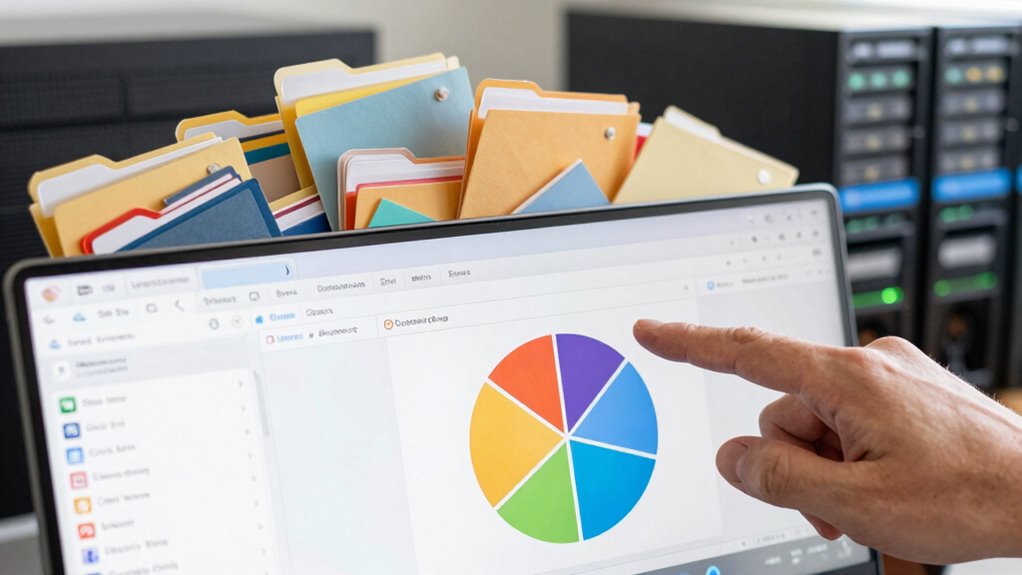
When sending large data packets over a network, segmentation becomes essential to guarantee efficient and reliable delivery. The same principle applies to email marketing and digital campaigns. Instead of simply increasing the size of your mailing list, you need to focus on segmentation techniques that improve engagement and response rates. Big sends often suffer from diminishing returns because they treat all recipients the same, ignoring individual preferences and behaviors. By segmenting your audience, you can tailor your messaging to specific groups, making your campaigns more relevant and impactful.
Segmentation enhances email campaign effectiveness by targeting individual preferences and behaviors for more relevant, impactful messaging.
Personalization strategies are critical in this context. When you segment your list effectively, you gain insights into your subscribers’ interests, purchase history, and engagement patterns. This allows you to craft targeted messages that resonate more deeply. For example, if you know that a segment of your audience responds better to special offers on certain products, you can send them customized promotions that speak directly to their preferences. This not only boosts open and click-through rates but also fosters loyalty, as recipients feel understood and valued.
Behavioral targeting plays a pivotal role in refining your segmentation efforts. Instead of relying solely on demographic data, you analyze how recipients interact with your emails, website, or app. If someone frequently visits your product pages but hasn’t purchased recently, you can create a segment specifically for these “interested but inactive” users. You might then send personalized re-engagement campaigns or special incentives to nudge them toward conversion. This approach ensures that your messaging is timely and relevant, increasing the chances of success.
Trying to reach a massive list without proper segmentation is like sending the same message to a crowd with wildly different interests. It’s inefficient and can even harm your reputation—spam complaints and unsubscribes often rise when recipients feel overwhelmed or disconnected from the content. Instead, think of segmentation as a way to break down your big send into smaller, more targeted groups. Each group receives a message that feels personal, relevant, and valuable. This not only improves deliverability but also enhances your overall marketing ROI.
In essence, sending bigger lists doesn’t guarantee better results. What matters more is how you divide your audience into meaningful segments based on behavior and preferences. Personalization strategies and behavioral targeting help you craft messages that truly connect, making your big sends more effective, efficient, and engaging. Additionally, understanding content segmentation can help optimize your campaigns by ensuring your messages are aligned with recipient needs. Recognizing the importance of audience segmentation can significantly impact your campaign success by allowing you to deliver more tailored content. Furthermore, leveraging data-driven insights enables you to refine your segmentation and improve campaign outcomes. Incorporating advanced segmentation techniques can further enhance your ability to deliver highly relevant messages and maximize campaign ROI. A well-structured segmentation approach ultimately leads to a more engaged audience and better overall campaign performance.
As an affiliate, we earn on qualifying purchases.
Frequently Asked Questions
How Often Should I Update My Segmentation Criteria?
You should update your segmentation criteria regularly, ideally whenever you notice changes in your audience or after launching new personalization strategies. Dynamic segmentation allows you to adapt quickly, so review and refine your segments at least monthly. This keeps your messaging relevant and improves engagement. Consistent updates guarantee your campaigns stay targeted, making your personalization strategies more effective and your email marketing efforts more successful over time.
What Tools Are Best for Managing Large Segmented Lists?
You should consider tools like Mailchimp, HubSpot, or ActiveCampaign to manage large segmented lists effectively. These platforms support advanced personalization strategies, allowing you to tailor content to specific audience segments. They also prioritize data privacy, ensuring your list management complies with regulations like GDPR. By using these tools, you can optimize engagement, improve open rates, and maintain trust—all essential for successful email marketing campaigns.
How Does Segmentation Impact Email Deliverability Rates?
Segmentation improves your email deliverability rates by allowing you to tailor content with personalization strategies, making your messages more relevant and engaging. When you segment effectively, your emails are less likely to be marked as spam, boosting inbox placement. Additionally, respecting data privacy laws builds trust with recipients, reducing unsubscribes. Overall, smarter segmentation helps you reach your audience more efficiently, maintaining high deliverability while honoring privacy concerns.
Can Segmentation Improve Engagement More Than List Size?
Yes, segmentation can substantially boost engagement more than just increasing list size. By employing personalized strategies and behavioral targeting, you deliver content that resonates with each recipient. When you focus on relevant, tailored messages, you’re more likely to pique interest, prompt interaction, and foster loyalty. Smaller, smart segments outperform larger, generic lists by creating conversations, cultivating connections, and converting casual clicks into committed customers.
What Are Common Segmentation Mistakes to Avoid?
You should avoid common segmentation mistakes like over-segmenting, which complicates personalization tactics, or neglecting data privacy. Don’t assume all your contacts want the same content; instead, use relevant data to tailor your messages effectively. Also, be cautious about sharing sensitive information—prioritize data privacy. By focusing on meaningful segments and respecting privacy, you improve engagement without overwhelming your audience or risking trust.
Conclusion
So, next time you’re tempted to just add more contacts to your list, remember—it’s not about size, but strategy. Proper segmentation can open engagement you never thought possible, turning big sends into powerful conversations. But here’s the twist: the real secret lies in *who* you target, not *how many*. Are you ready to rethink your approach and discover the true potential hiding behind your data? The future of your campaigns depends on it.
Halloween Picks
halloween
As an affiliate, we earn on qualifying purchases.