
📊 Full opportunity report: Voice Health And Gender Transition: How Pocket Voice Lab Can Help on IdeaNavigator AI — validation score, market gap, and execution plan.

Get business pricing on office and shipping supplies
- Business-only prices and quantity discounts
- Tax-exempt purchasing
- Multiple users, one account, clear invoices
TL;DR
Pocket Voice Lab is developing a mobile app to provide real-time acoustic biofeedback for voice training, especially for transgender people. The app aims to fill gaps in objective feedback between therapy sessions. Its development is in early stages, with pilot testing planned.
Pocket Voice Lab is developing a mobile app designed to provide real-time acoustic biofeedback for voice training, primarily targeting transgender and gender-nonconforming individuals seeking voice feminization or masculinization. The app aims to address the lack of objective, accessible feedback that often limits progress between in-person sessions, making voice health and gender-affirming voice work more effective and measurable.
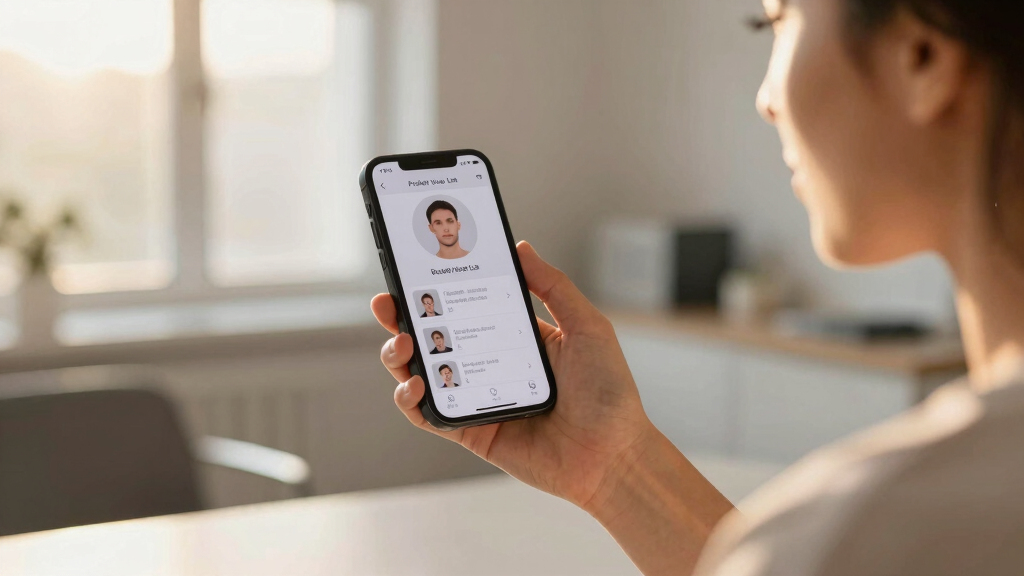
The app will allow users to record short voice samples and receive immediate visual feedback on pitch and resonance, with additional indicators for strain based on harmonic-to-noise ratio. It will include guided exercises tailored for gender-affirming voice work, a session log to track progress over time, and shareable reports for clinicians. The initial version is planned to focus on a single ‘wedge persona’—either feminine or masculine voice—before expanding to other voice types.
Developed using advances in smartphone microphone technology and acoustic analysis, the app leverages peer-reviewed research that treats voice as a clinical biomarker, such as pitch, jitter, shimmer, and harmonic-to-noise ratio. The project is currently in the prototype stage, with plans to run a four-week pilot involving trans voice-training and public-speaking communities. The goal is to validate user engagement, with metrics such as 40% of users completing three or more sessions in the first week and at least 25% converting to a paid subscription.
Impact of Real-Time Voice Feedback for Transgender and Voice Users
This development could significantly improve access to objective, consistent voice training tools outside of clinical settings, especially for transgender and gender-nonconforming people who face barriers to regular in-person speech therapy. By providing real-time visual feedback and progress tracking, the app may enhance motivation, help prevent strain or injury, and improve overall voice outcomes. It also opens new opportunities for clinicians to monitor progress remotely and share data with patients, potentially reducing costs and increasing the reach of gender-affirming voice care.
As an affiliate, we earn on qualifying purchases.
Growing Demand for Accessible Voice Training Tools
Traditional voice therapy for gender transition is often limited by geographic, financial, and scheduling barriers, leaving many without consistent support. Recent advances in acoustic analysis and smartphone technology have enabled the development of AI-powered voice coaching tools, with apps like Vocal Image already demonstrating consumer willingness to pay for voice feedback. Peer-reviewed research increasingly supports the use of voice as a clinical biomarker, encouraging innovation in this space. The gap in accessible, objective voice training solutions remains large, especially for those seeking gender-affirming outcomes.
“Real-time acoustic biofeedback has the potential to transform how individuals approach voice training, especially when in-person coaching is limited or unavailable.”
— an anonymous researcher
Uncertainties About App Effectiveness and Adoption
It remains unclear how effective the app will be in producing measurable voice improvements, especially outside controlled research settings. The success of pilot testing and user engagement metrics will determine its viability. Additionally, questions about user privacy, data sharing with clinicians, and long-term adherence have yet to be fully addressed. The development team is still working on refining the prototype and plans to gather user feedback during the upcoming pilot.
Next Steps for Development and Validation
The team plans to launch a four-week pilot involving targeted communities to test the app’s usability and effectiveness. They will analyze user engagement, progress tracking, and willingness to pay for the service. Based on pilot results, further development will focus on expanding voice personas and integrating clinician sharing features. If successful, the app could be commercially launched within the next year and potentially licensed to clinics and speech therapists for broader use.
Key Questions
How does the Pocket Voice Lab app work?
The app records a short voice sample, then provides real-time visual feedback on pitch and resonance, along with an indicator of vocal strain. It guides users through exercises tailored for gender-affirming voice work and tracks progress over time.
Who is the target audience for this app?
The primary users are transgender and gender-nonconforming individuals seeking voice feminization or masculinization, as well as public speakers and singers who want ongoing coaching and objective feedback.
When will the app be available to the public?
The development team plans to conduct pilot testing in the coming months, with a potential commercial release anticipated within the next year, depending on pilot outcomes.
Can this app replace in-person voice therapy?
While it aims to supplement and support in-person therapy, it is not expected to fully replace professional clinical care. Instead, it provides an accessible tool for practice and progress tracking between sessions.
What are the privacy considerations for users?
The team is still finalizing data privacy protocols, but the app will likely include options for secure data sharing with clinicians and transparent privacy policies to protect user voice recordings and progress data.
Source: IdeaNavigator AI
Columbus Day / Indigenous Peoples' Day Picks
long weekend sales
As an affiliate, we earn on qualifying purchases.